
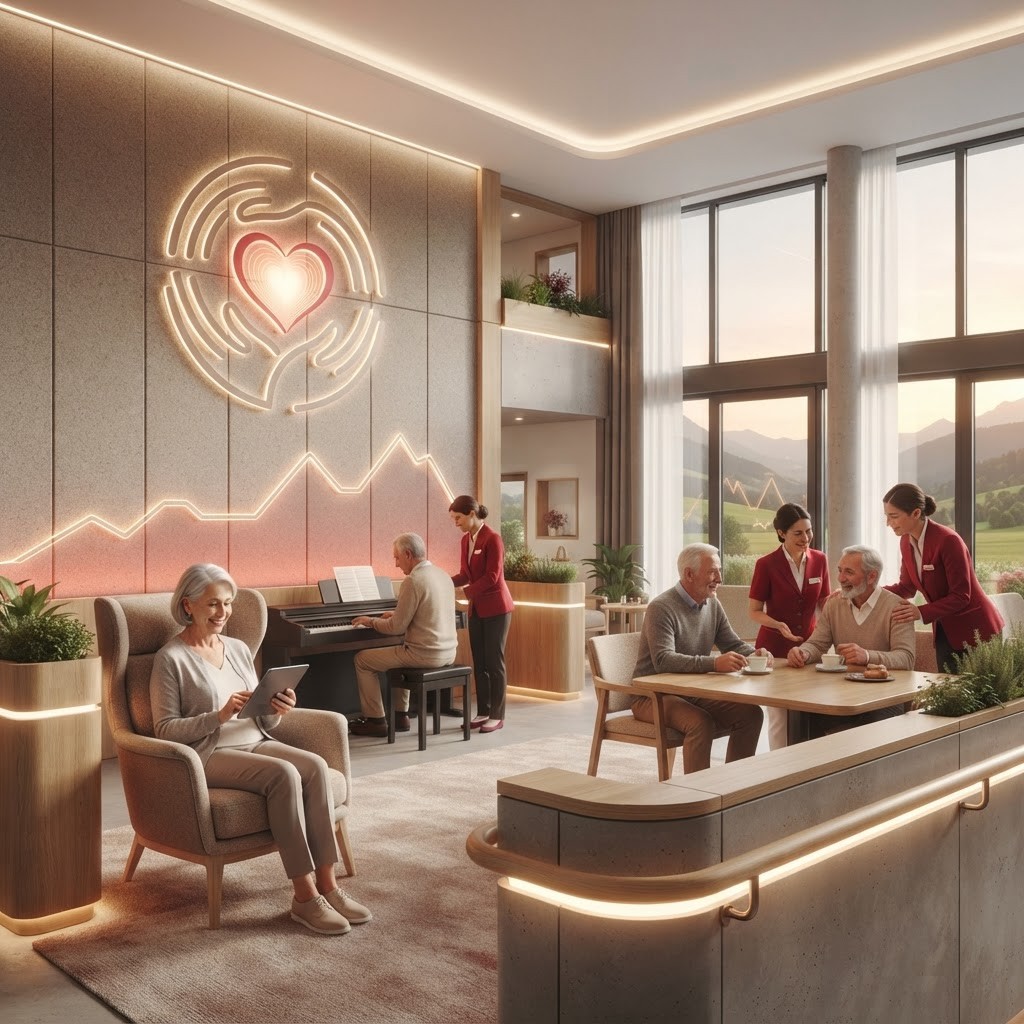
Elderly Care in Austria
As Austria's population ages, quality elderly care has become an increasingly important part of the healthcare and social landscape. The country offers a well-developed network of care homes and senior residences that combine professional medical support with comfort, dignity, and a strong focus on quality of life. Austrian elderly care emphasizes respect, independence, and holistic wellbeing, ensuring that seniors receive both the care and the companionship they need.
Austrian care homes range from residential facilities offering assisted living to specialized centers providing intensive nursing and dementia care. Whatever the level of need, the goal is to create a supportive, home-like environment where residents feel valued, safe, and engaged. Well-trained staff, thoughtful facilities, and comprehensive services define the best of Austrian senior care.
What Defines a Leading Elderly Care Home
The best elderly care homes in Austria are distinguished by compassionate, professional staff, high standards of care, and a warm, respectful atmosphere. They offer personalized care plans, engaging activities, nutritious meals, and comfortable living spaces. Specialized services such as dementia care, rehabilitation, and palliative support are important features. A focus on social connection, dignity, and individual preferences enhances residents' quality of life.
Ten Respected Elderly Care Homes
Caritas Senior Care Homes operate across Austria, offering compassionate, values-based care with a strong emphasis on dignity, community, and individual wellbeing.
Kuratorium Wiener Pensionisten-Wohnhauser (KWP) provides high-quality residential and nursing care in Vienna, with modern facilities and comprehensive support services.
Senecura Care Centers are known for professional nursing care, specialized dementia support, and a welcoming environment across numerous locations.
Volkshilfe Senior Residences offer a range of care levels with a focus on respect, independence, and social engagement for older adults.
Diakonie Care Facilities provide holistic, faith-based care that emphasizes compassion, community, and attentive support for residents.
Haus der Barmherzigkeit is recognized for specialized care, including support for residents with complex medical and neurological needs, in a caring setting.
Municipal senior care homes in Graz deliver reliable, professional care with modern amenities and a focus on comfort and community.
Salzburg senior residences offer comfortable living, personalized care, and engaging activities in supportive environments.
Innsbruck elderly care centers serve the alpine region with quality nursing care and a strong emphasis on residents' wellbeing and dignity.
Premium private senior residences in Vienna round out the list, providing high-end accommodation, extensive amenities, and personalized care for those seeking premium services.
Trends in Elderly Care
Elderly care in Austria is evolving to meet the needs of an aging population and changing expectations. There is growing emphasis on person-centered care, which prioritizes residents' individual preferences, routines, and dignity. Specialized dementia care is increasingly important, with facilities designing environments and programs specifically to support residents with cognitive conditions.
Technology is playing a greater role, from health monitoring systems to tools that help residents stay connected with family. Many care homes are also focusing on active aging, offering activities, therapy, and social programs that promote physical and mental wellbeing. Integration of medical care, rehabilitation, and social support reflects a holistic approach that addresses the whole person, not just their medical needs.
Choosing the Right Elderly Care Home
Selecting an elderly care home is an important and often emotional decision for families. Key considerations include the level of care required, the qualifications and attentiveness of staff, the quality of facilities, and the atmosphere. For seniors with specific needs such as dementia or complex medical conditions, specialized care is essential.
Families should also consider location, the range of activities offered, and how well the home supports social connection and dignity. Visiting facilities, speaking with staff, and observing daily life can provide valuable insight. A warm, respectful environment where residents are treated as individuals is one of the most important indicators of quality.
Conclusion
Austria's leading elderly care homes provide compassionate, professional care that supports dignity, comfort, and quality of life for seniors. Whether offering assisted living, specialized nursing, or premium residential care, these facilities prioritize the wellbeing of every resident. With its strong tradition of social care and commitment to respect and holistic support, Austria offers reassuring, high-quality options for elderly care that families can trust.
