
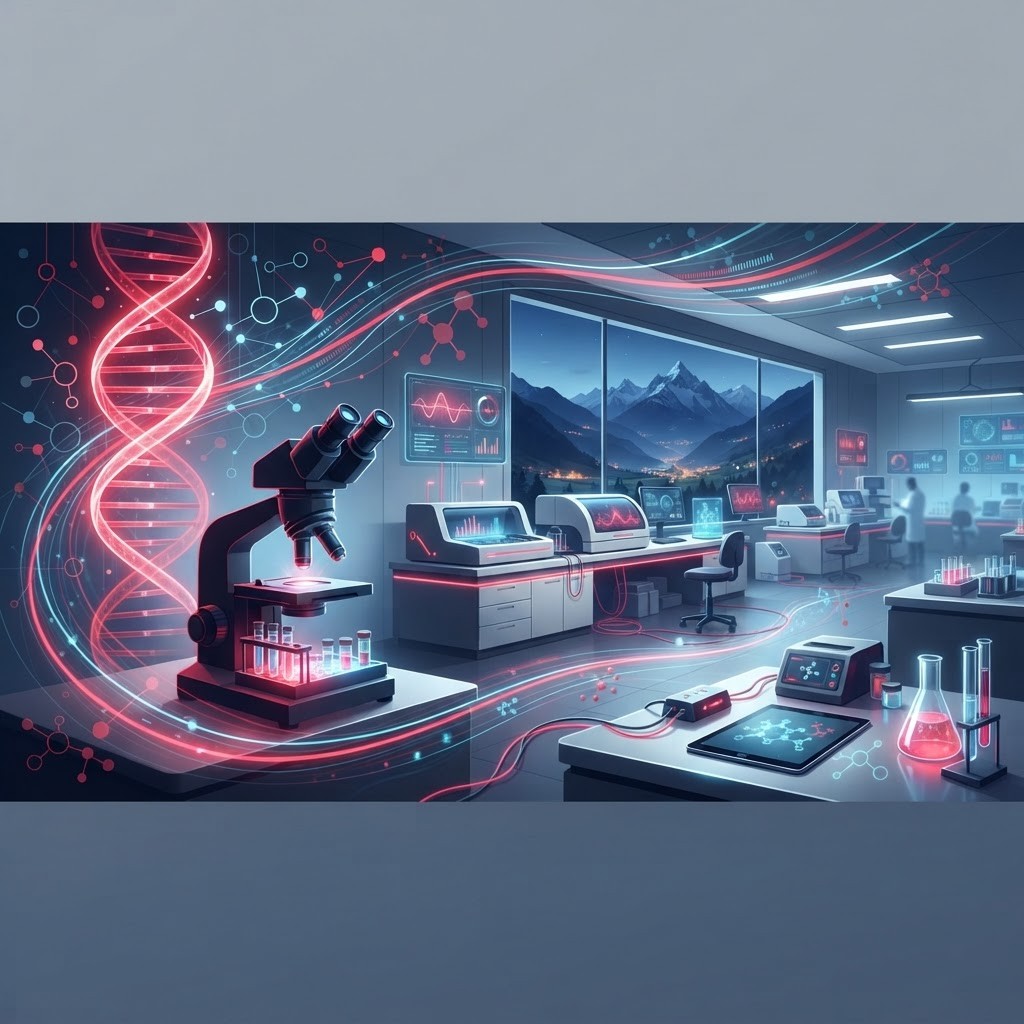
The Critical Role of Diagnostic Laboratories
Behind every accurate diagnosis and effective treatment plan lies the work of diagnostic laboratories. These facilities analyze blood, tissue, and other samples to detect disease, monitor health, and guide medical decisions. In Switzerland, diagnostic labs are held to exceptionally high standards, ensuring that patients and physicians can rely on precise, timely, and trustworthy results.
Swiss diagnostic laboratories combine advanced technology with rigorous quality control and highly trained scientific staff. Many are accredited to international standards and participate in ongoing research, keeping them at the forefront of laboratory medicine. Their work spans routine testing, specialized genetic analysis, microbiology, pathology, and much more.
Leading National Laboratory Networks
Unilabs is one of the largest diagnostic providers in Switzerland, operating an extensive network of laboratories and collection points. It offers a comprehensive range of tests across clinical chemistry, hematology, microbiology, genetics, and pathology, supported by robust digital reporting systems.
Synlab Suisse is another major player, part of a leading European diagnostics group. Known for its broad test menu and efficient logistics, Synlab serves physicians, hospitals, and patients throughout the country with reliable, high-quality analysis.
Medisupport (including Dianalabs and Viollier partners) represents a significant Swiss diagnostics group, bringing together respected laboratories under a shared commitment to excellence and innovation.
Viollier is a highly regarded laboratory known for its rapid turnaround times, advanced automation, and strong emphasis on quality. It serves a large network of medical practices and hospitals, particularly in German-speaking Switzerland.
Specialized and University Laboratories
Laboratories at University Hospitals, such as those at CHUV in Lausanne and University Hospital Zurich, provide highly specialized diagnostic services closely linked to research and complex clinical care. These labs are often at the cutting edge of new testing methods and rare disease diagnosis.
Risch Laboratory Group (Labor Risch) is a well-established Swiss provider offering a wide spectrum of analyses, from routine tests to specialized molecular diagnostics. It is known for its scientific rigor and personalized service to referring physicians.
Dr. Risch and affiliated centers extend high-quality diagnostics across multiple regions, combining accessibility with technical sophistication.
Genetics and Molecular Diagnostics
Genetica and specialized molecular labs focus on genetic testing, an increasingly important field in personalized medicine. These laboratories support the diagnosis of hereditary conditions, guide targeted therapies, and contribute to preventive health strategies.
Pathology-focused laboratories provide detailed tissue analysis essential for cancer diagnosis and treatment planning, employing advanced techniques such as immunohistochemistry and molecular pathology.
What Sets Swiss Diagnostic Labs Apart
Several factors underpin the excellence of Swiss diagnostic laboratories. Accreditation to international standards ensures consistent quality and reliability. Advanced automation and information systems enable rapid, accurate processing of large volumes of samples while minimizing error. Highly qualified scientists and physicians oversee testing and interpretation, adding valuable expertise to raw data.
Efficient logistics networks ensure that samples are collected, transported, and analyzed promptly, delivering results quickly to physicians and patients. Strong data security and privacy protections, in line with Switzerland's stringent regulations, further reinforce trust in these institutions.
Trends in Laboratory Medicine
Diagnostic laboratories in Switzerland are evolving rapidly alongside advances in medical science and technology. Molecular and genetic testing is expanding, enabling earlier and more precise diagnosis as well as personalized treatment. Digital pathology and artificial intelligence are enhancing accuracy and efficiency in analyzing complex samples.
Point-of-care testing and greater integration with electronic health records are improving accessibility and continuity of care. There is also growing emphasis on preventive testing, empowering individuals to monitor and manage their health proactively.
Conclusion
Switzerland's diagnostic laboratories are essential to the country's high standard of healthcare, providing the accurate, reliable results on which sound medical decisions depend. From large national networks to specialized university and genetic laboratories, these institutions combine technology, expertise, and rigorous quality control. As laboratory medicine continues to advance, Swiss diagnostic labs will remain vital partners in safeguarding and improving health.
