
The Growing Importance of Diagnostic Laboratories in Iraq
Diagnostic laboratories play a foundational role in modern healthcare, and across Iraq they have become essential to early disease detection, effective treatment planning, and ongoing patient monitoring. As the Iraqi healthcare sector continues to modernize in cities such as Baghdad, Erbil, Basra, and Mosul, the demand for reliable, accurate, and fast laboratory testing has grown significantly. Patients today expect more than basic blood tests; they look for comprehensive panels, molecular diagnostics, and internationally accredited standards.
The best diagnostic labs in Iraq distinguish themselves through accuracy, turnaround time, and the breadth of services they offer. From routine hematology and biochemistry to advanced genetic and hormonal testing, leading facilities invest heavily in automated analyzers and quality control systems that minimize human error and produce dependable results.
What Makes a Diagnostic Lab Stand Out
Several factors separate a top-tier diagnostic laboratory from an average one. Accreditation is among the most important, as it demonstrates a commitment to international quality benchmarks. Many of Iraq's most respected labs pursue ISO certifications and participate in external quality assessment programs to validate their testing accuracy against global standards.
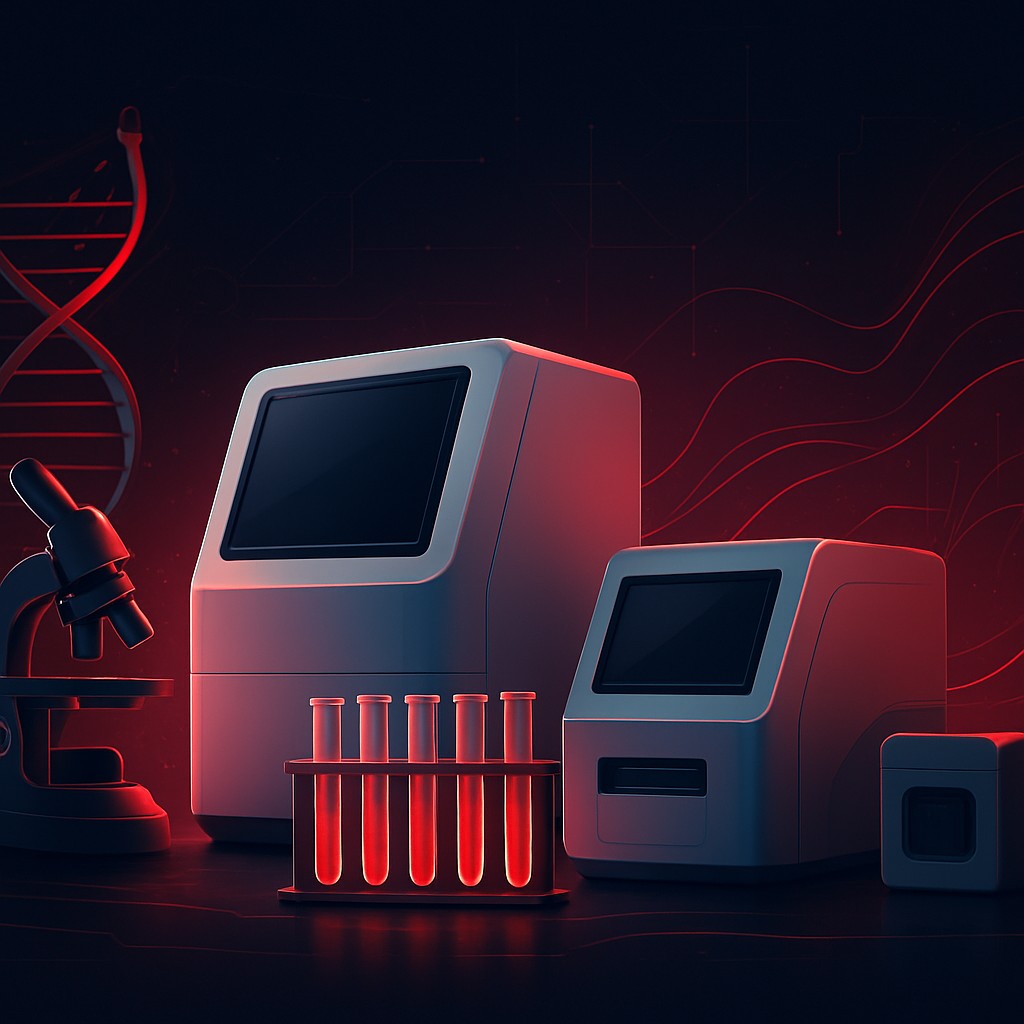
Equipment is another defining feature. Premium laboratories use fully automated chemistry analyzers, advanced immunoassay systems, and PCR platforms for molecular testing. This technology enables them to handle large patient volumes while maintaining precision. Equally important is the expertise of the staff, including pathologists, microbiologists, and certified medical laboratory technologists who interpret complex results and ensure clinical relevance.
Key Services Offered by Leading Iraqi Labs
The most comprehensive diagnostic centers in Iraq offer a wide spectrum of testing categories. These typically include clinical chemistry for organ function assessment, hematology for blood disorders, microbiology for infection identification, and immunology for autoimmune and allergy testing. Many have expanded into molecular diagnostics, allowing for the detection of viral infections, genetic conditions, and certain cancers at an early stage.
Hormonal and endocrine testing has also become increasingly common, supporting the management of diabetes, thyroid disorders, and fertility concerns. Tumor marker panels assist oncologists in monitoring treatment progress, while specialized prenatal screening supports expectant mothers. The ability to deliver such a diverse range of tests under one roof is a hallmark of Iraq's premier laboratories.
Technology and Innovation Driving the Sector
Technological advancement is reshaping the diagnostic landscape in Iraq. Digital reporting systems now allow patients and physicians to access results securely and efficiently, reducing delays and improving coordination of care. Laboratory information management systems track samples from collection to reporting, ensuring traceability and reducing the risk of mix-ups.
Automation has dramatically improved both speed and consistency. High-throughput analyzers can process hundreds of samples per hour, which is especially valuable in busy urban centers. Some forward-thinking labs have also introduced home sample collection services, recognizing that convenience is a growing priority for Iraqi patients with busy schedules or limited mobility.
Trends Shaping Diagnostic Services in Iraq
Several trends are influencing the future of diagnostic testing in the country. Preventive health screening is gaining popularity as awareness of chronic disease management increases. Many Iraqis now seek regular wellness panels to monitor cholesterol, blood sugar, and vitamin levels before symptoms appear. This shift toward proactive care is encouraging labs to design affordable, bundled screening packages.
Another notable trend is the integration of telemedicine with laboratory services. Patients can consult physicians remotely, receive test orders digitally, and have results reviewed without an in-person visit. This connected approach is particularly beneficial in regions where access to specialists may be limited.
Choosing the Right Diagnostic Lab
For patients seeking dependable diagnostic services, several practical considerations can guide the decision. Reputation within the medical community is a strong indicator of quality, as physicians frequently recommend labs they trust for accurate results. Turnaround time matters as well, particularly for urgent cases where timely diagnosis can influence treatment outcomes.
Transparency in pricing, clear communication of results, and professional customer service also contribute to a positive patient experience. Cleanliness, organized sample collection areas, and trained phlebotomists who handle blood draws with care reflect the overall standards of a facility.
The Road Ahead for Iraqi Diagnostics
The diagnostic laboratory sector in Iraq is poised for continued growth as healthcare infrastructure expands and patient expectations rise. Investment in advanced equipment, qualified personnel, and quality accreditation will remain central to delivering trustworthy results. As more facilities embrace automation, digital reporting, and preventive screening, patients across the country will benefit from faster, more accurate, and more accessible diagnostic care.
Ultimately, the best diagnostic labs in Iraq are those that combine cutting-edge technology with experienced professionals and a genuine commitment to patient well-being. By prioritizing accuracy, reliability, and service quality, these institutions are strengthening the foundation of healthcare across the nation and helping ensure that every patient receives the precise information needed for effective treatment.
