
Finding the Best Options in New York
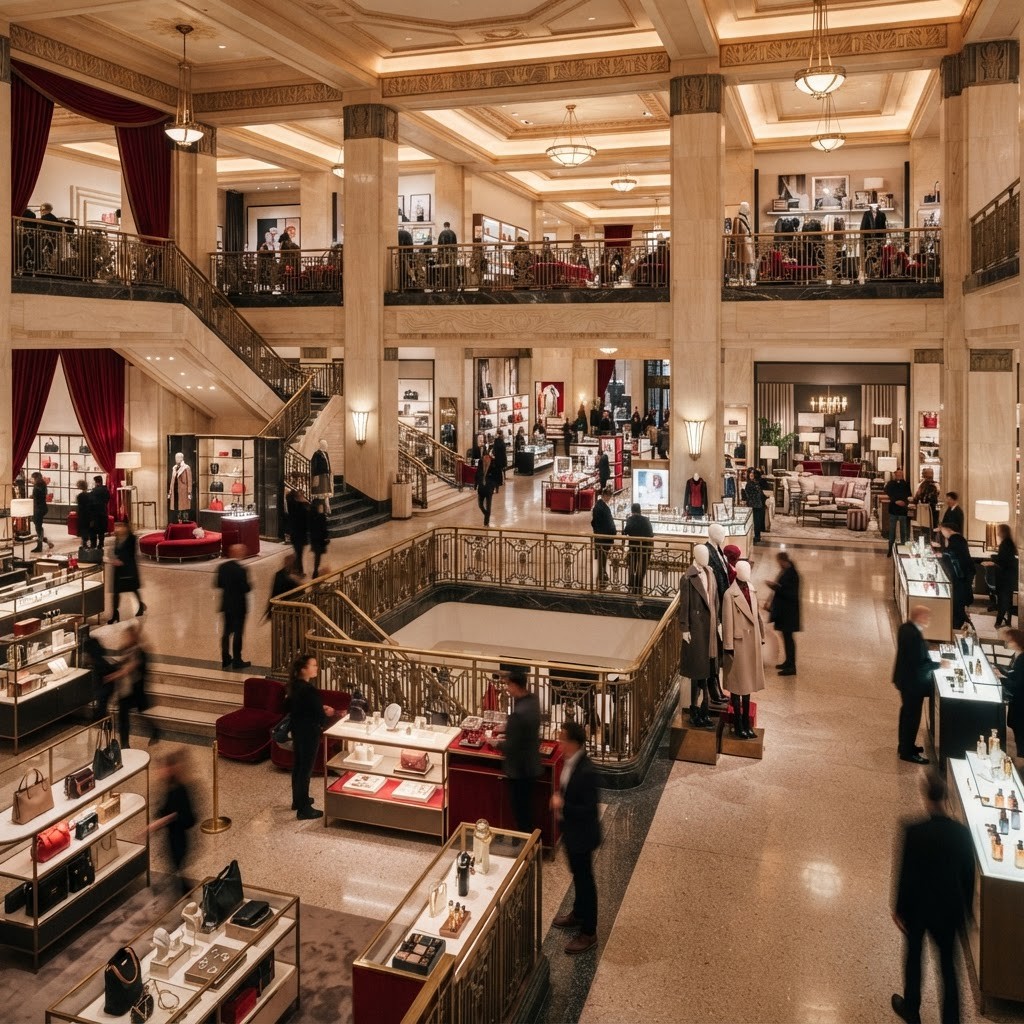
New York department stores are more than places to buy products. At their best, they function as fashion editors, architectural landmarks, beauty destinations, gift resources, and showcases for seasonal creativity. They also offer a practical way to compare brands under one roof.
The modern department store is becoming more experiential, using pop-ups, exclusive capsules, dining, beauty services, personal shopping, and cultural programming to give people reasons to visit. Strong stores combine that theater with efficient pickup, alterations, returns, and informed service.
What Makes a Brand or Store Stand Out
Quality is only one part of a useful recommendation. Selection, consistency, service, value, product knowledge, and relevance to New York life all matter. A premium name may justify its price through materials and aftercare, while an accessible brand may stand out by making good design available to more people. The following list is not a rigid ranking; it is a practical guide to ten established choices with different strengths.
1. Macy’s Herald Square
Macy’s Herald Square remains a landmark with vast selections across clothing, beauty, accessories, home goods, luggage, and gifts. Its breadth and central location make it useful for both visitors and local comparison shopping.
2. Bloomingdale’s
Bloomingdale’s blends established designer names, contemporary labels, beauty, accessories, and home collections with a recognizable New York energy. It offers enough variety to serve occasion shoppers and everyday customers.
3. Saks Fifth Avenue
Saks Fifth Avenue is known for luxury fashion, shoes, handbags, jewelry, and a major beauty assortment. Strong visual presentation and designer depth make it a destination for premium shopping.
4. Bergdorf Goodman
Bergdorf Goodman offers a highly edited luxury experience with influential fashion, accessories, beauty, and home selections. Personal service and a strong point of view distinguish it from larger, more standardized retailers.
5. Nordstrom
Nordstrom combines designer and contemporary fashion with shoes, beauty, services, and customer-friendly operations. Its Manhattan presence emphasizes discovery, convenience, and a broad range of aesthetics.
6. Neiman Marcus
Neiman Marcus is recognized for luxury apparel, accessories, fine jewelry, beauty, and attentive service. Its assortments favor customers seeking established designers and polished occasion dressing.
7. Century 21
Century 21 built its reputation on discounted designer and brand-name fashion. The treasure-hunt format rewards patient shoppers willing to compare sizes, seasons, and categories for meaningful value.
8. Target
Target serves a different but important department-store role through affordable apparel, home goods, beauty, electronics, groceries, and everyday essentials. Smaller urban formats are particularly useful for routine neighborhood needs.
9. TJ Maxx
TJ Maxx offers changing assortments of off-price clothing, accessories, beauty, and home merchandise. Inventory varies, but frequent visits can uncover recognizable brands at lower prices.
10. Marshalls
Marshalls similarly focuses on off-price fashion and home goods, often with strong footwear and family apparel departments. It is a practical choice for budget-conscious shoppers comfortable with an unpredictable selection.
How to Choose the Right Option
Choose a store based on the mission. Luxury flagships excel at service and discovery, broad stores simplify multi-category errands, and off-price retailers reward flexibility. Check alteration policies, return conditions, loyalty benefits, and delivery options before making a major purchase. Visiting on weekday mornings can make large stores easier to navigate and gives staff more time to provide thoughtful assistance.
Shopping Smarter in New York
Inventory and service can differ by location, so it is worth confirming that a shop carries the category, size, model, or service needed before making a special trip. Compare total value rather than price alone, including durability, maintenance, warranty support, alterations, delivery, or returns where relevant. New York offers exceptional choice, but a focused list and a clear budget make that choice easier to navigate.
Seasonality also matters. New collections and limited releases can create excitement, while end-of-season periods may offer better value. Whenever possible, inspect materials and construction in person, ask specific questions, and avoid feeling pressured by scarcity. The best purchase is one that remains useful after the novelty of the shopping experience fades.
Understanding Value Beyond the Price Tag
New York shoppers encounter everything from entry-level essentials to rare luxury products, and a higher price does not automatically guarantee a better personal fit. Value comes from the relationship between cost, frequency of use, construction, comfort, and support after purchase. A product used weekly for years may be more economical than an inexpensive alternative replaced several times. Conversely, occasional users may reasonably prefer a simpler option that performs the core task well.
Look closely at the details that reveal care: secure seams and fastenings, consistent finishing, sensible materials, clear instructions, and staff who can explain differences without relying on vague claims. Ask what maintenance is required and whether replacement parts, repairs, refills, or specialist services are available. These questions are especially important in New York, where storage is limited and disposing of a disappointing purchase can be inconvenient. Thoughtful comparison also reduces impulse buying. Take notes or photographs where permitted, step away when uncertain, and evaluate the choice against what is already owned. A strong brand earns trust through consistent experience rather than a single impressive display.
Why Local Context Matters
New York’s density creates unusually demanding conditions and unusually broad choice. Weather, walking, apartment dimensions, neighborhood access, and crowded public transportation can all influence whether a purchase succeeds in daily life. Recommendations should therefore be treated as a starting point. The most satisfying option will combine the reputation of the business with the buyer’s own priorities, routines, and practical constraints.
