
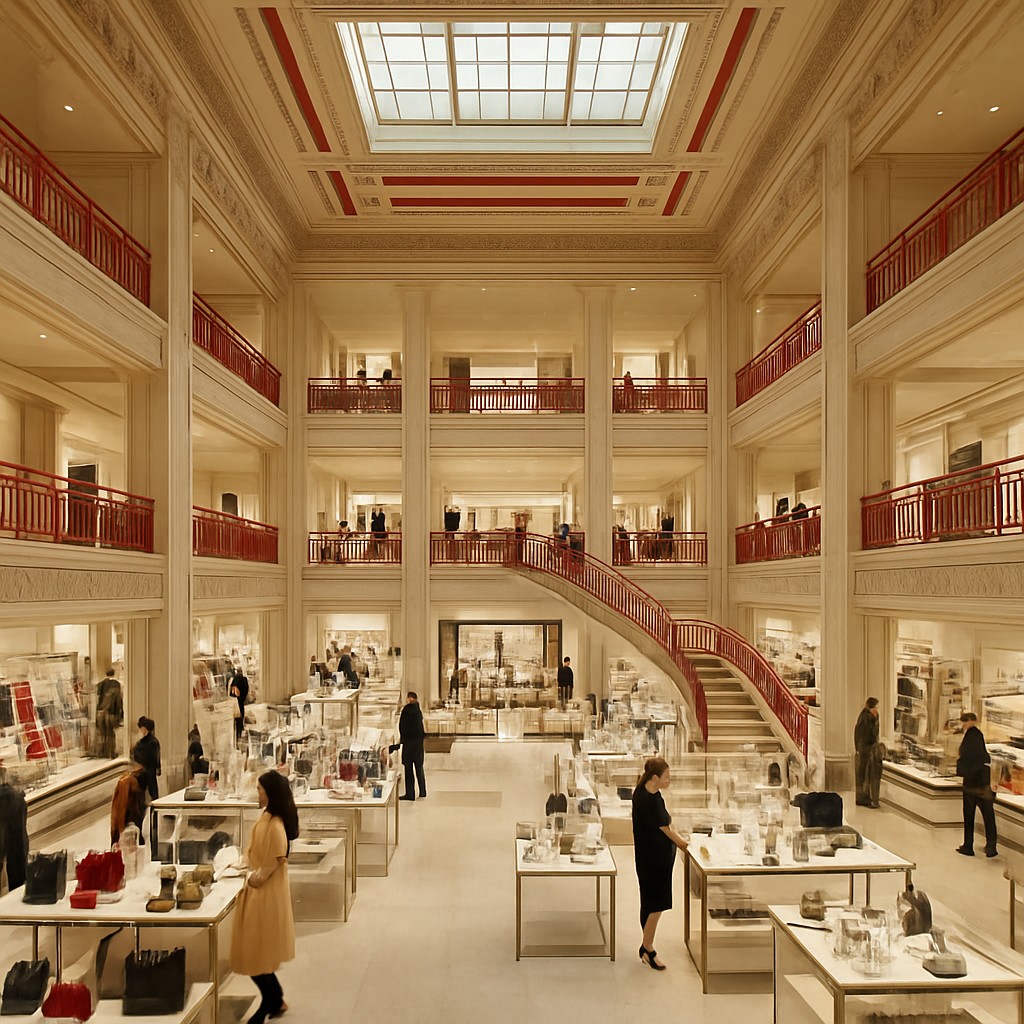
Chicago’s Department Store Tradition
Department stores have long shaped Chicago retail, from grand downtown buildings to practical neighborhood destinations. Today’s strongest stores combine physical discovery with pickup, returns, loyalty programs, beauty services, alterations, and digital inventory. Some emphasize luxury and personal attention; others win through value and convenience. These ten names give Chicago shoppers a useful range of options.
1. Macy’s
Macy’s State Street location occupies one of Chicago’s most historic retail buildings and carries forward the city’s department-store tradition. Shoppers find apparel, beauty, accessories, jewelry, home goods, luggage, and seasonal collections. Its central location and broad range make it useful for visitors and residents alike. The architecture adds a sense of occasion that smaller stores cannot replicate.
2. Nordstrom
Nordstrom is respected for customer service, fashion, beauty, footwear, accessories, and alterations. Its Chicago presence attracts shoppers who want contemporary and premium brands in an approachable environment. A strong shoe department and attentive service remain important differentiators. The store is particularly effective when buyers need help assembling an outfit or comparing fit across labels.
3. Neiman Marcus
Neiman Marcus focuses on luxury fashion, designer accessories, beauty, jewelry, and elevated home or gift selections. Its Michigan Avenue setting places it within Chicago’s premier shopping corridor. Personal shopping and brand expertise are key strengths. Customers seeking investment fashion or a special-occasion piece benefit most from the curated environment.
4. Saks Fifth Avenue
Saks Fifth Avenue offers designer apparel, footwear, handbags, beauty, and accessories with an editorial luxury perspective. Its assortment often includes statement fashion alongside established classics. Chicago shoppers may value access to specialized brand presentations and beauty counters. As with any luxury purchase, understanding alterations, returns, and care supports better long-term value.
5. Bloomingdale’s
Bloomingdale’s blends premium fashion, contemporary labels, beauty, home, and accessories with an energetic point of view. The store appeals to shoppers who want variety but prefer a more curated atmosphere than a mass-market retailer. Chicago locations have served both destination shoppers and residents looking for recognizable brands, gifts, and seasonal updates.
6. Target
Target has reinterpreted the department-store model around accessible design and everyday convenience. Chicago stores combine clothing, beauty, electronics, home goods, groceries, and household essentials. Smaller urban formats are particularly useful for residents without cars. Designer collaborations and owned brands add style, while pickup services support busy schedules.
7. Kohl’s
Kohl’s emphasizes family apparel, footwear, beauty, activewear, and home products at value-oriented prices. Promotions and loyalty benefits can be significant, but shoppers should compare final prices rather than focus on percentage discounts. The store works well for practical household shopping and recognizable national brands across age groups.
8. JCPenney
JCPenney remains a resource for family clothing, bedding, window treatments, accessories, and value-focused basics. Its strengths include broad sizing, frequent promotions, and categories that may receive less attention at fashion-led stores. For shoppers furnishing a home or buying essentials for several family members, the range can be efficient.
9. Marshalls
Marshalls uses an off-price model, offering changing assortments of clothing, footwear, beauty, accessories, and home goods. The appeal lies in discovery and potential savings rather than guaranteed inventory. Chicago bargain hunters who visit regularly and inspect items carefully can find excellent value. Flexibility about brand, color, or exact style improves the experience.
10. Burlington
Burlington focuses on discounted apparel, coats, footwear, baby products, accessories, and home items. It is particularly relevant for families and price-conscious shoppers. Inventory varies by location and delivery cycle, so patience is useful. The store’s historical association with outerwear also feels appropriate in a city where coats are a major wardrobe investment.
How Department Stores Are Evolving
Successful stores are becoming service hubs rather than simple shelves of merchandise. Same-day pickup, easy returns, beauty consultations, tailoring, loyalty personalization, and store events give physical locations a reason to remain relevant. Luxury retailers emphasize hospitality and exclusive products, while mass and off-price stores compete through convenience and value. Sustainability is also influencing resale partnerships, packaging, and brand selection.
Shopping Strategically in Chicago
For designer fashion and high-touch service, compare Neiman Marcus, Saks Fifth Avenue, Nordstrom, and Bloomingdale’s. Macy’s provides broad assortment and historic downtown character. Target offers everyday convenience, while Kohl’s and JCPenney serve practical family needs. Marshalls and Burlington reward flexible shoppers willing to search changing inventory.
Before making a major purchase, confirm return deadlines, final-sale status, alterations, warranty, loyalty terms, and whether an online price differs. Shop outerwear before the coldest weather reduces selection, and schedule personal shopping or beauty appointments when focused advice matters. Chicago’s department stores remain useful because they let customers compare texture, color, fit, and quality directly—advantages that are still difficult to reproduce through a screen.
