
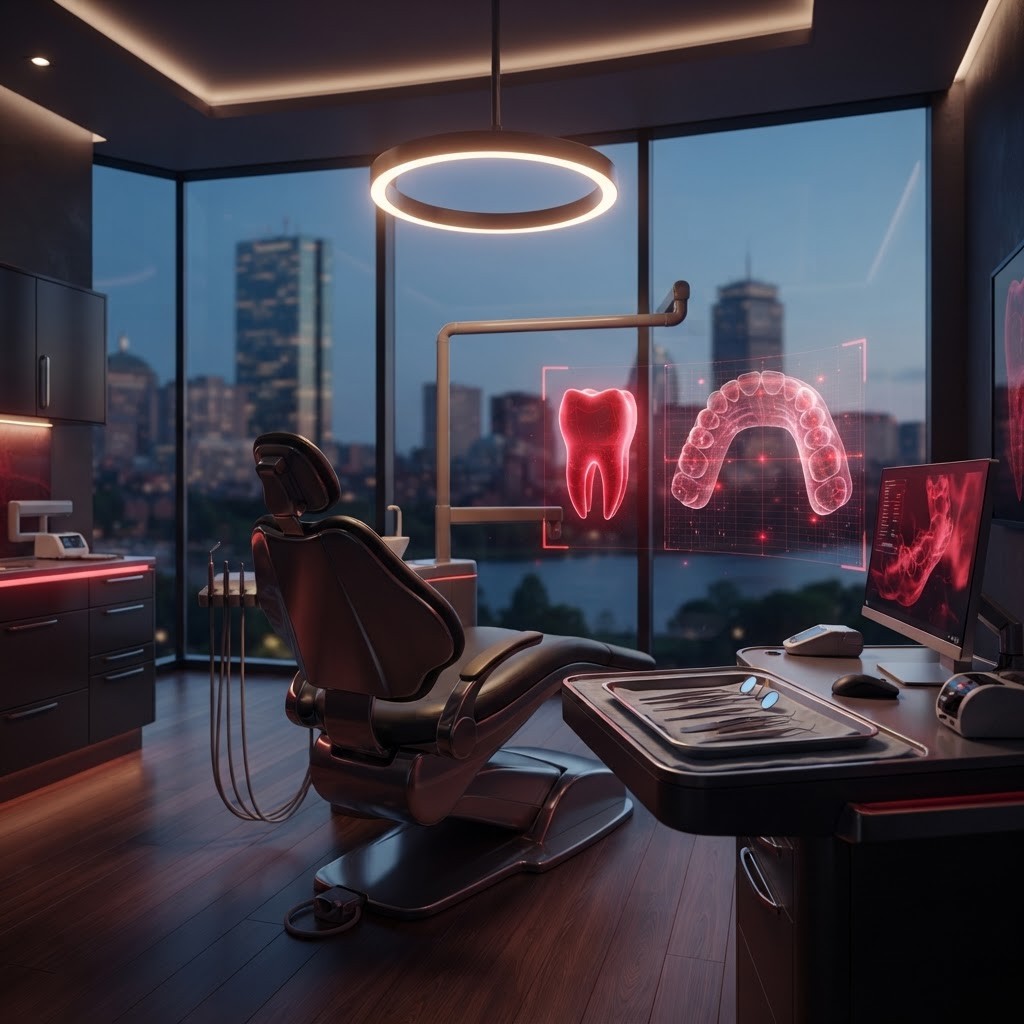
A City With Unusual Dental Depth
Boston's dental care landscape is shaped by an uncommon concentration of academic institutions. Three major dental schools operate in the metropolitan area, training clinicians and running teaching clinics that offer treatment at reduced cost under faculty supervision. Alongside them sits a competitive private market with specialists in implantology, orthodontics, endodontics, oral surgery, and cosmetic dentistry.
For patients this means genuine choice. Complex reconstructive cases can be handled by academic specialty programs, routine care by neighborhood practices, and cosmetic work by clinics focused specifically on aesthetics. The main challenge is understanding which category fits your needs and budget.
The Ten Best Dental Clinics in Boston
1. Boston University Henry M. Goldman School of Dental Medicine Clinics
These teaching clinics provide comprehensive care at substantially reduced fees, delivered by dental students and residents under close faculty supervision. Specialty programs cover endodontics, periodontics, prosthodontics, orthodontics, and oral surgery. Appointments take longer than private practice because each step is reviewed, but treatment planning is unusually thorough.
2. Harvard Dental Center
Affiliated with Harvard School of Dental Medicine, this center offers general and specialty dentistry with an academic approach to diagnosis and evidence-based treatment planning. Faculty practices provide care from experienced specialists, while teaching clinics offer reduced-cost options. Complex restorative and periodontal cases are handled with meticulous documentation.
3. Tufts University School of Dental Medicine Clinics
Located downtown and highly accessible by transit, Tufts operates one of the largest dental clinic operations in New England. It covers everything from routine hygiene to advanced oral surgery, craniofacial care, and dental care for patients with special needs. Its geriatric and pediatric programs are particularly well developed.
4. Congress Dental Group
A downtown private practice known for comprehensive general dentistry, cosmetic work, and implant restoration, Congress Dental serves a largely professional clientele and offers scheduling that accommodates work hours. Digital imaging, same-visit crown technology, and clear treatment presentation are among its recognized strengths.
5. Dental Partners of Boston
With multiple locations and an in-house range of specialists, this group handles general dentistry alongside periodontics, orthodontics, endodontics, and oral surgery without external referrals. That coordination is valuable for multi-stage treatment such as implants, where several disciplines must sequence care correctly.
6. Boston Smile Center
Focused on cosmetic and restorative dentistry, this Brookline practice is known for veneers, full-mouth rehabilitation, and detailed aesthetic planning including digital smile design. Consultations emphasize visualizing outcomes before treatment begins. It appeals to patients prioritizing appearance-driven results with conservative technique.
7. Gentle Dental
Operating numerous locations across Greater Boston, Gentle Dental provides accessible general dentistry with broad insurance participation, evening availability, and in-house financing options. Its scale supports emergency appointments and specialty referrals within the same network. It is a practical choice for families needing predictable access.
8. Aspen Dental
Aspen Dental focuses on affordability and access, with transparent pricing, denture and implant programs, and financing plans for patients without insurance. New patient exams and imaging are frequently offered at reduced cost. It is best suited to straightforward restorative needs and full-arch prosthetics.
9. Dental Associates
This regional group practice network combines neighborhood convenience with specialist availability across many Massachusetts locations. Standardized clinical protocols, centralized records, and broad insurance acceptance make routine and moderately complex care straightforward. Hygiene recall systems are well managed, which supports preventive outcomes.
10. Seaport Dental Associates
Serving the rapidly growing Seaport and South Boston area, this practice offers modern general dentistry with digital workflows, Invisalign, and cosmetic services in a convenient location for downtown workers and residents. Same-day emergency slots and efficient appointment flow are frequently cited by patients.
Understanding Dental Insurance and Costs
Dental insurance functions differently from medical coverage, and misunderstanding it causes most billing surprises. Most plans carry an annual maximum benefit, commonly between one and two thousand dollars, which complex treatment exhausts quickly. Preventive care is usually covered at or near full cost, basic restorative work at a partial percentage, and major work such as crowns and implants at a lower percentage still.
Waiting periods often apply to major procedures on new policies. Before beginning multi-stage treatment, request a written treatment plan with procedure codes and a pre-treatment estimate submitted to your insurer. For expensive work, sequencing across two benefit years can substantially reduce out-of-pocket cost. Teaching clinics and dental savings plans are effective alternatives for uninsured patients.
Sedation and Anxiety Management
Dental anxiety is common and treatable. Options range from nitrous oxide, which wears off within minutes, to oral sedation and intravenous sedation for longer or more invasive procedures. General anesthesia is reserved for complex surgery or patients with specific medical or behavioral needs and requires appropriate facility credentialing.
When anxiety is a barrier, raise it during scheduling rather than at the appointment. Practices experienced with anxious patients adjust appointment length, communication style, and sedation planning accordingly, which changes the experience considerably.
How to Evaluate a Dental Practice
Look for a practice that documents findings with imaging and intraoral photos, explains alternatives including the option of monitoring rather than treating, and provides written estimates before work begins. Aggressive treatment plans presented at a first visit without clear diagnostic justification warrant a second opinion, particularly for full-mouth rehabilitation or multiple crowns.
Practical factors matter too: hygiene appointment availability, emergency coverage outside business hours, sterilization protocols, and whether specialists are in-house or referred. Continuity with the same hygienist and dentist improves detection of subtle changes over time.
Final Thoughts
Boston's dental market spans academic teaching clinics offering thorough care at lower cost, group practices delivering convenience and insurance breadth, and boutique clinics focused on aesthetics and advanced restoration. Matching the clinic type to your clinical needs and financial situation is the key decision, and the ten practices above cover that full spectrum well.
