
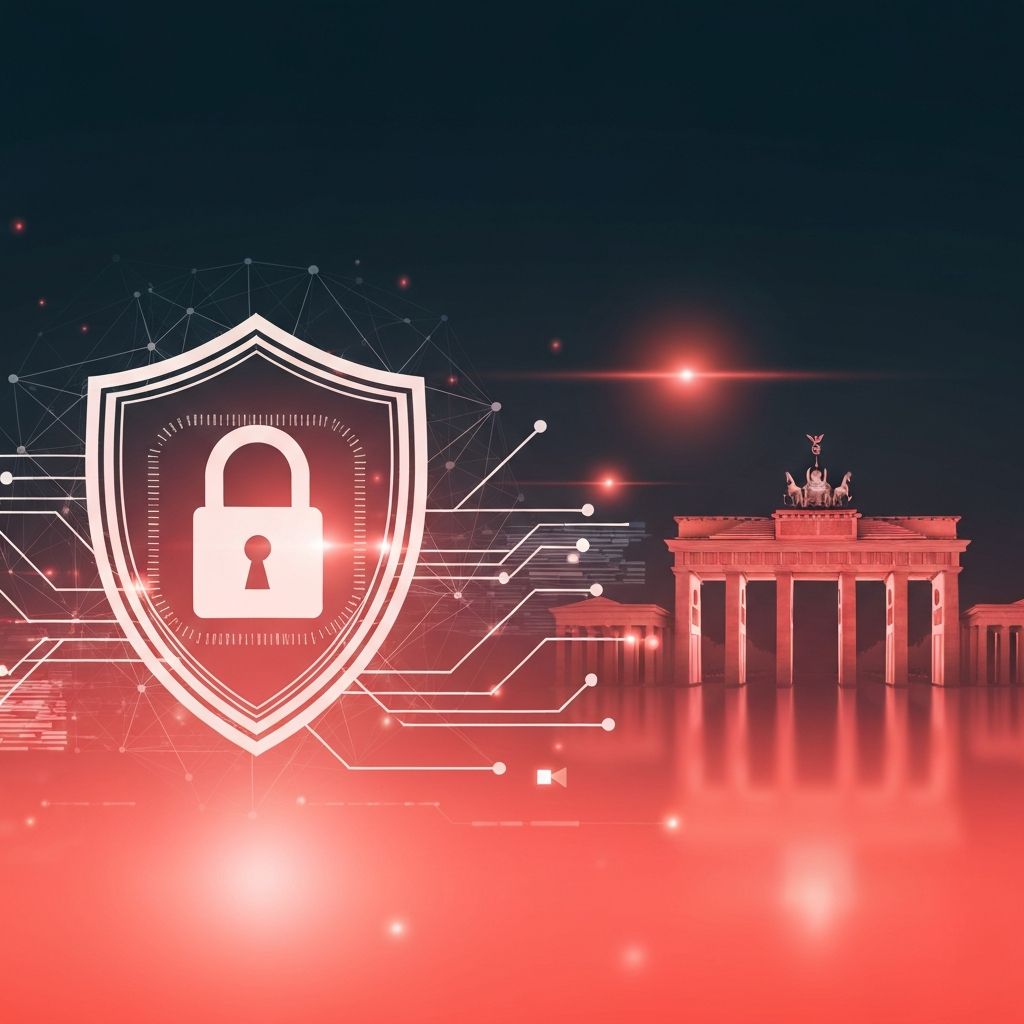
Germany's Cybersecurity Landscape
Germany sits at the heart of European digital infrastructure, which makes cybersecurity a national priority. With strict data protection laws aligned with the GDPR and a strong industrial base in Mittelstand companies, the country has cultivated a vibrant ecosystem of cybersecurity providers. These firms protect everything from manufacturing plants and energy grids to banks and public institutions, blending engineering precision with deep regulatory expertise.
The Top 10 Cybersecurity Companies
1. Secunet Security Networks is a trusted partner to German federal authorities, specializing in high-assurance solutions for classified communications, biometric identity, and critical infrastructure protection.
2. Rohde & Schwarz Cybersecurity delivers endpoint protection, network analytics, and secure browser technology, drawing on decades of engineering heritage from its parent group.
3. G Data CyberDefense, founded in Bochum, pioneered antivirus software in Germany and continues to provide endpoint, mobile, and managed detection services with a strict "no backdoor" policy.
4. Avira Operations, headquartered in Tettnang, is renowned for consumer and SMB security suites, leveraging AI-driven threat intelligence to protect millions of users worldwide.
5. Utimaco develops hardware security modules and key management platforms used by banks, telecom providers, and cloud operators across the globe.
6. Genua focuses on highly secure remote access, firewalls, and network separation solutions, certified for government and military use.
7. DriveLock provides zero-trust endpoint protection, encryption, and device control tailored to industrial and regulated environments.
8. Hornetsecurity, based in Hanover, leads in cloud-based email security, Microsoft 365 backup, and security awareness training for businesses.
9. Link11 specializes in DDoS protection and web application security, with a European-only infrastructure that appeals to privacy-conscious clients.
10. Cognigy, while best known for conversational AI, also offers enterprise-grade secure automation, increasingly relevant in identity and access workflows.
Key Trends Shaping the Industry
The German cybersecurity sector is shaped by three powerful forces: digital sovereignty, Industry 4.0, and regulatory tightening through the NIS2 directive and the IT Security Act 2.0. Customers increasingly demand European data residency, transparent supply chains, and certified products under BSI standards. This has pushed local vendors to invest heavily in zero-trust architectures, post-quantum cryptography research, and AI-based threat detection.
What Sets German Providers Apart
German cybersecurity companies are known for engineering depth, conservative risk posture, and strong alignment with European values around privacy. Many are deeply integrated with research institutions like Fraunhofer and the Helmholtz Centers, giving them a steady pipeline of cryptography and AI talent. They also tend to maintain long-term customer relationships built on certifications, audits, and high-touch support rather than aggressive marketing.
Choosing the Right Partner
When selecting a cybersecurity partner in Germany, organizations should weigh factors such as BSI certifications, sector specialization, integration capabilities, and incident response maturity. Mittelstand manufacturers may favor providers with strong OT security expertise, while financial institutions often prioritize hardware security modules and identity platforms. Whatever the use case, Germany's market offers a rare combination of regulatory alignment, technical excellence, and trustworthiness.
The Road Ahead
As ransomware, supply chain attacks, and state-sponsored threats intensify, German cybersecurity companies are well positioned to lead Europe's digital defense. Expect continued growth in managed detection and response, sovereign cloud security, and AI-augmented analytics. For any business operating in or with Germany, partnering with one of these ten firms is a prudent step toward resilience in an increasingly hostile cyber landscape.
