
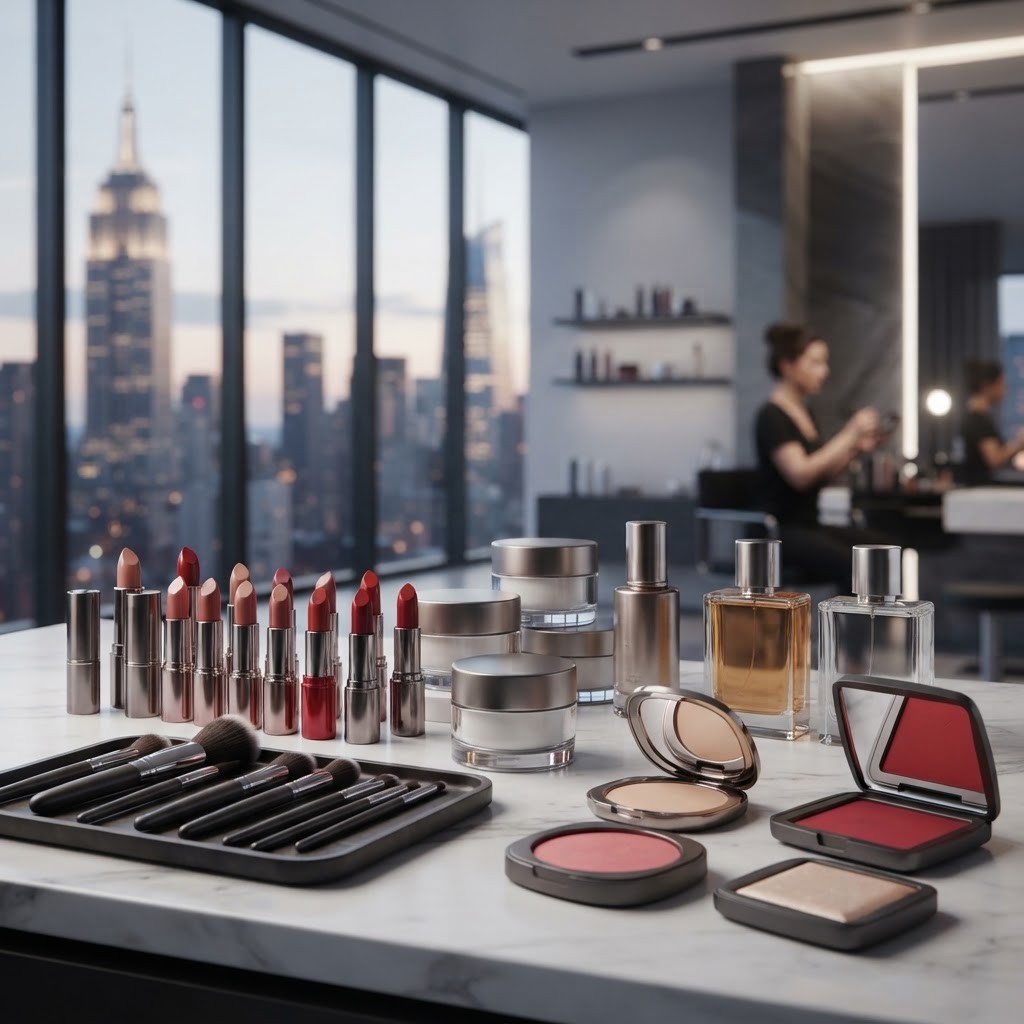
Finding the Best Options in New York
New York has long shaped the beauty industry through fashion shows, editorial studios, diverse communities, and consumers who expect products to perform in real conditions. Cosmetics used in the city may need to withstand humidity, winter dryness, packed commutes, long workdays, and evening plans.
Beauty is moving toward hybrid products that combine color and skin care, wider shade ranges, refillable packaging, fragrance-free options, and clearer claims. Shoppers increasingly value texture, wear, ingredient transparency, and suitability for their individual skin over a one-size-fits-all trend.
What Makes a Brand or Store Stand Out
Quality is only one part of a useful recommendation. Selection, consistency, service, value, product knowledge, and relevance to New York life all matter. A premium name may justify its price through materials and aftercare, while an accessible brand may stand out by making good design available to more people. The following list is not a rigid ranking; it is a practical guide to ten established choices with different strengths.
1. Estée Lauder
Estée Lauder is a New York beauty institution offering foundation, lipstick, eye makeup, and sophisticated skin care. Its reputation is built on polished formulas, extensive research, and products designed for dependable wear.
2. Clinique
Clinique emphasizes approachable, allergy-conscious positioning and straightforward routines. Its complexion products, moisturizers, and familiar color items appeal to customers who prefer practical choices and guided consultation.
3. Bobbi Brown
Bobbi Brown transformed makeup with a natural, skin-focused approach and wearable neutral tones. The brand remains strong in complexion, correctors, lip color, and products that enhance rather than mask features.
4. NARS
NARS is admired by artists and consumers for expressive pigments, refined textures, and a fashion-led point of view. Blush, complexion formulas, and lip products balance editorial color with everyday usability.
5. Maybelline New York
Maybelline New York delivers accessible mascaras, lip colors, foundations, and trend-responsive launches. Broad availability and competitive pricing make experimentation easier for a wide audience.
6. Glossier
Glossier grew from New York’s digital beauty culture with sheer, easy-to-apply products and a relaxed aesthetic. Skin tints, brow products, blushes, and balms suit customers seeking quick routines and a fresh finish.
7. Milk Makeup
Milk Makeup reflects downtown creativity through portable formats, multipurpose sticks, bold color, and modern textures. Many products are designed for fast application without an elaborate tool kit.
8. Laura Mercier
Laura Mercier is especially recognized for complexion preparation, setting powder, tinted moisturizer, and understated color. The brand’s artist-informed approach prioritizes a smooth, believable finish.
9. Kiehl’s
Kiehl’s began as a New York apothecary and remains known for practical skin, body, and hair care. Straightforward product categories and ingredient-focused formulas attract customers building reliable daily routines.
10. Revlon
Revlon carries deep New York heritage and offers widely available lip, nail, eye, and complexion products. Classic shades and accessible pricing keep the brand relevant across generations.
How to Choose the Right Option
Test complexion products in natural light and allow time for them to settle before choosing a shade. Introduce skin-care actives gradually, patch-test when sensitivity is a concern, and distinguish genuine needs from fast-moving trends. A small routine of compatible products generally performs better than a crowded collection. Clean tools regularly and replace eye products at sensible intervals to support both finish and hygiene.
Shopping Smarter in New York
Inventory and service can differ by location, so it is worth confirming that a shop carries the category, size, model, or service needed before making a special trip. Compare total value rather than price alone, including durability, maintenance, warranty support, alterations, delivery, or returns where relevant. New York offers exceptional choice, but a focused list and a clear budget make that choice easier to navigate.
Seasonality also matters. New collections and limited releases can create excitement, while end-of-season periods may offer better value. Whenever possible, inspect materials and construction in person, ask specific questions, and avoid feeling pressured by scarcity. The best purchase is one that remains useful after the novelty of the shopping experience fades.
Understanding Value Beyond the Price Tag
New York shoppers encounter everything from entry-level essentials to rare luxury products, and a higher price does not automatically guarantee a better personal fit. Value comes from the relationship between cost, frequency of use, construction, comfort, and support after purchase. A product used weekly for years may be more economical than an inexpensive alternative replaced several times. Conversely, occasional users may reasonably prefer a simpler option that performs the core task well.
Look closely at the details that reveal care: secure seams and fastenings, consistent finishing, sensible materials, clear instructions, and staff who can explain differences without relying on vague claims. Ask what maintenance is required and whether replacement parts, repairs, refills, or specialist services are available. These questions are especially important in New York, where storage is limited and disposing of a disappointing purchase can be inconvenient. Thoughtful comparison also reduces impulse buying. Take notes or photographs where permitted, step away when uncertain, and evaluate the choice against what is already owned. A strong brand earns trust through consistent experience rather than a single impressive display.
Why Local Context Matters
New York’s density creates unusually demanding conditions and unusually broad choice. Weather, walking, apartment dimensions, neighborhood access, and crowded public transportation can all influence whether a purchase succeeds in daily life. Recommendations should therefore be treated as a starting point. The most satisfying option will combine the reputation of the business with the buyer’s own priorities, routines, and practical constraints.
