
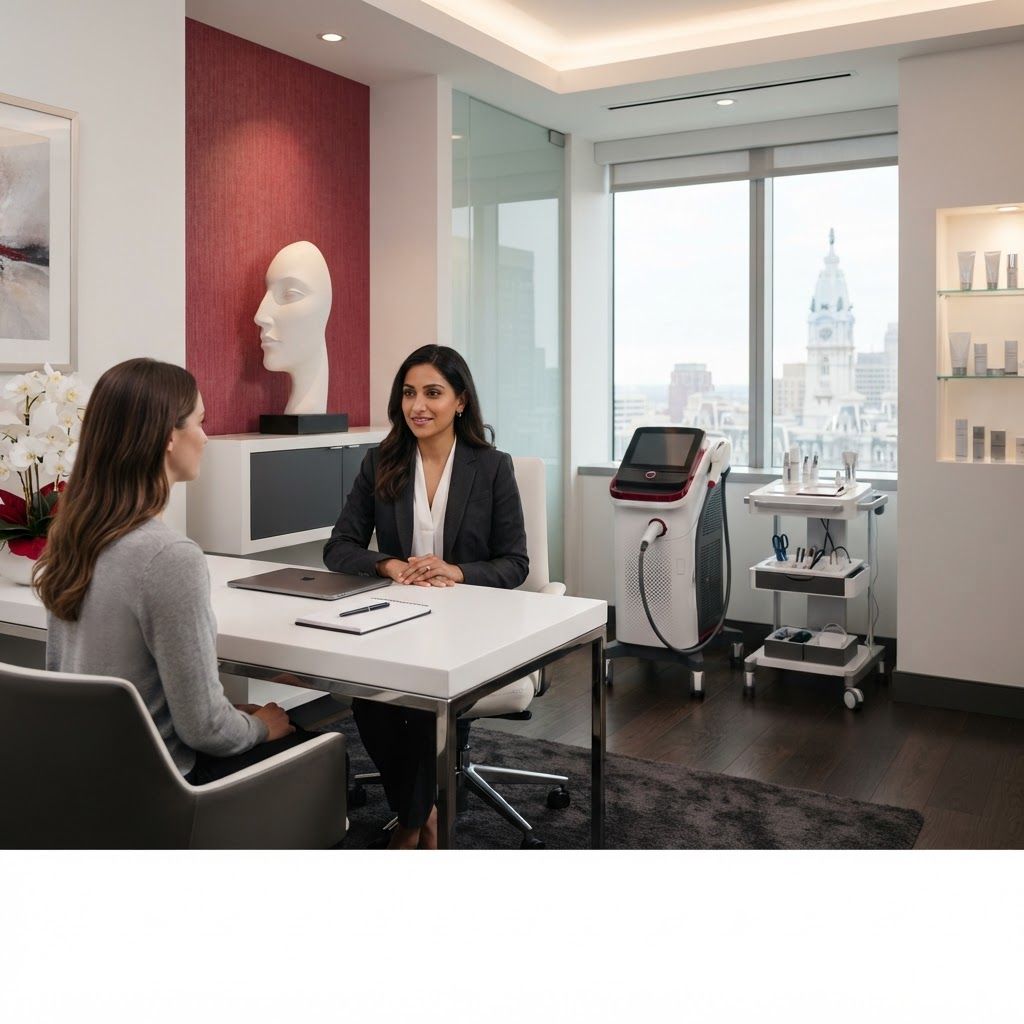
How to Approach Cosmetic Surgery Safely
Cosmetic procedures are medical decisions, not ordinary beauty purchases. Results depend on patient health, surgeon training, facility standards, anesthesia, aftercare, and realistic expectations. Philadelphia benefits from academic plastic surgery departments and experienced private practices. Inclusion here is informational, not a guarantee of outcomes. Meet the actual operating surgeon, verify board certification in plastic surgery, and never let discounts or social media pressure replace careful evaluation.
1. Penn Plastic Surgery
Penn Plastic Surgery combines aesthetic surgery with the resources of a major academic health system. Surgeons offer facial, breast, and body procedures while also treating complex reconstructive needs. Hospital integration can be reassuring for patients with medical considerations or those seeking multidisciplinary expertise, and academic practice encourages evidence-based planning.
2. Jefferson Plastic Surgery
Jefferson’s plastic surgery program provides cosmetic and reconstructive procedures in an academic environment. Patients can access surgeons with broad training and connections to other medical specialties. This is valuable when prior surgery, cancer treatment, facial anatomy, or health conditions complicate an otherwise elective goal.
3. Temple Plastic and Reconstructive Surgery
Temple’s program serves patients seeking reconstructive and cosmetic care through a teaching hospital. The team’s clinical breadth supports thoughtful assessment of function, proportion, scarring, and medical risk. Academic centers can be particularly useful when a patient wants a second opinion about a complex or revision procedure.
4. The Hughes Center for Aesthetic Medicine
The Hughes Center offers surgical and non-surgical aesthetic services in the Philadelphia area. Its range allows consultations to compare operative procedures with less invasive alternatives. A responsible plan should explain which option meaningfully addresses the concern, how long results may last, and what downtime and maintenance are involved.
5. Louis P. Bucky Plastic Surgery
Louis P. Bucky Plastic Surgery is a well-known regional practice offering facial rejuvenation, breast procedures, body contouring, and injectable treatments. The practice emphasizes individualized aesthetic planning and natural-looking outcomes. Patients considering combined procedures should discuss how longer operating time affects recovery and risk.
6. Cross Plastic Surgery
Cross Plastic Surgery provides cosmetic facial, breast, and body procedures with a personalized private-practice model. Consultations should address anatomy, scars, healing, likely result ranges, and alternatives. Reviewing standardized before-and-after examples of patients with similar starting features can be more informative than dramatic showcase images.
7. Paul M. Glat Plastic Surgery
Paul M. Glat’s practice offers cosmetic and reconstructive surgery along with non-surgical aesthetic treatments. Reconstructive experience can contribute a strong understanding of tissue handling and scar management. Patients should still verify where surgery occurs, who administers anesthesia, and what support is available after hours.
8. DiBello Plastic Surgery
DiBello Plastic Surgery serves the Philadelphia area with breast, body, facial, and male-focused cosmetic options. A broad procedure menu can support coordinated planning, but patients should avoid pursuing several changes without a clear discussion of priorities, safety, and cumulative recovery demands.
9. Bloom Facial Plastic Surgery
Bloom Facial Plastic Surgery concentrates on facial procedures and non-surgical rejuvenation. Specialty focus can be valuable for rhinoplasty, facial aging, and other anatomy-sensitive concerns. Facial surgery consultations should include breathing function, facial balance, skin quality, and the limits of what surgery can predictably change.
10. Meade Aesthetic Plastic Surgery
Meade Aesthetic Plastic Surgery provides aesthetic procedures with attention to personalized goals and modern techniques. Patients may appreciate a boutique experience and continuity with the surgical team. The quality of preoperative screening and postoperative accessibility is just as important as the office environment.
Questions Every Patient Should Ask
Confirm that the surgeon is certified by the American Board of Plastic Surgery and has substantial experience with the exact procedure. Ask where surgery will occur, whether the facility is accredited, who provides anesthesia, how complications are handled, and which hospital privileges the surgeon holds. Request a complete cost estimate and understand revision policies. Disclose medications, nicotine use, supplements, pregnancy plans, and health conditions honestly because they can affect bleeding, healing, and anesthesia risk.
Philadelphia Aesthetic Trends
Patients increasingly request subtle results, preservation-focused facial techniques, proportionate body contouring, and combinations of surgery with skin care or energy-based treatments. Non-surgical procedures remain popular but are not risk-free; injectables require anatomical expertise, and devices should be selected for a defined indication. The best clinic will welcome questions, avoid guarantees, provide time to decide, and be willing to say that a procedure is unlikely to help. Safety, informed consent, and a trustworthy relationship should remain the defining differentiators.
