
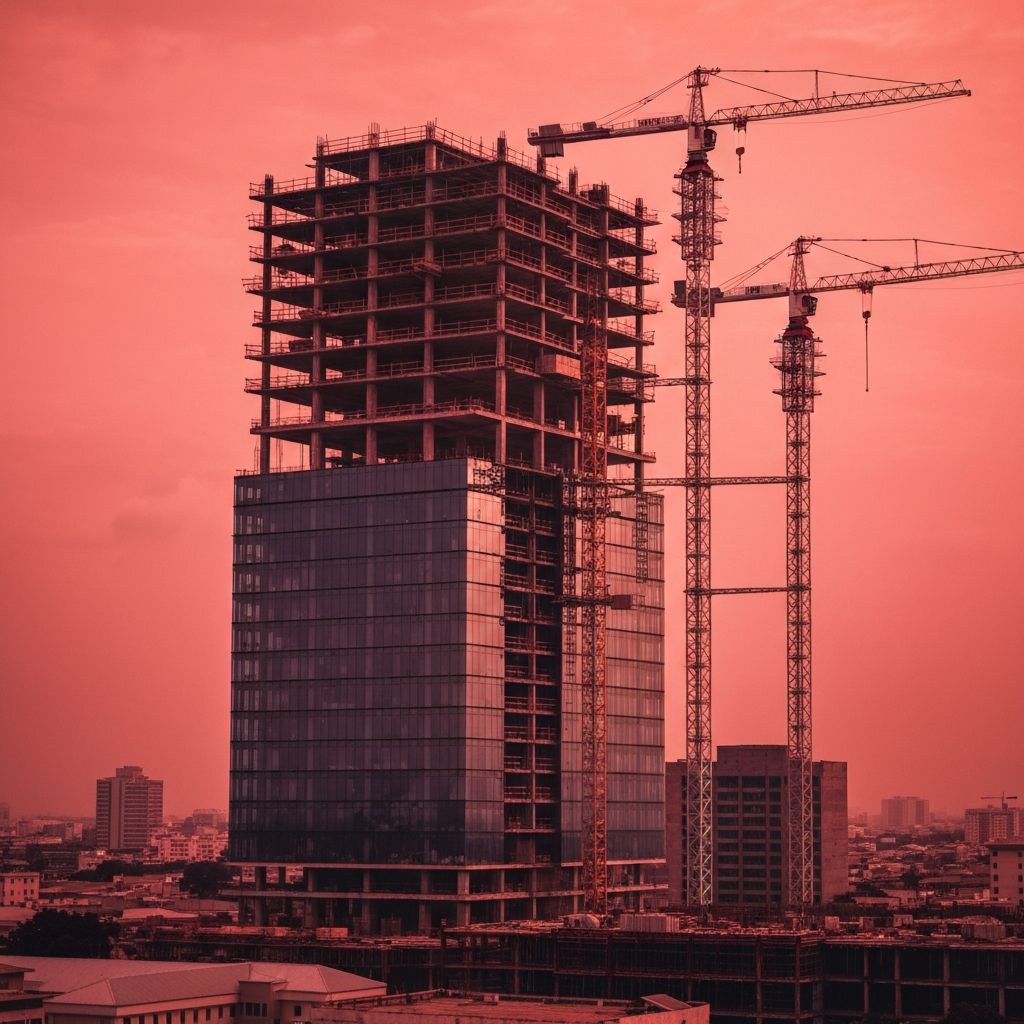
Nigeria's Commercial Construction Landscape
Commercial construction in Nigeria is a thriving sector that powers business activity, retail expansion, hospitality growth, and industrial development. From sleek glass-clad office towers in Victoria Island to expansive shopping malls in Abuja and large industrial parks in Ogun State, commercial construction firms are reshaping Nigeria's urban skyline. The leading companies deliver projects that meet international standards while adapting to local conditions and regulations.
What Sets Commercial Construction Apart
Commercial construction differs from residential builds in scale, complexity, and regulatory requirements. Projects often involve advanced engineering, sophisticated mechanical and electrical systems, fire safety integration, accessibility compliance, and stringent timelines tied to business operations. Top firms bring multidisciplinary teams, deep technical knowledge, and proven project management capabilities.
1. Julius Berger Nigeria Plc
Julius Berger leads the commercial construction space with iconic projects including airport terminals, government complexes, and corporate headquarters. Their engineering excellence, in-house manufacturing capabilities, and unmatched project track record make them the gold standard.
2. Cappa & D'Alberto Plc
Cappa & D'Alberto has built numerous prominent commercial structures including bank headquarters, hotels, and corporate offices. Their reputation rests on quality finishes, structural integrity, and timely delivery of complex projects.
3. ITB Nigeria Limited
ITB Nigeria specializes in high-end commercial buildings including office towers, mixed-use developments, and retail centers. Their commitment to international standards and strong safety culture appeals to multinational clients.
4. Arbico Plc
Arbico has constructed numerous commercial projects including hospitals, hotels, schools, and corporate headquarters. As a publicly listed firm, they adhere to high transparency standards and consistently deliver complex builds.
5. CCECC Nigeria Limited
CCECC brings global expertise to Nigerian commercial construction. Their portfolio includes stadiums, conference centers, government complexes, and large-scale industrial facilities, supported by extensive technical resources.
6. RCC Nigeria Limited
RCC's strength in heavy civil works extends to commercial construction, particularly for industrial facilities, warehouses, and infrastructure-heavy commercial projects. Their large equipment fleet supports demanding builds.
7. Costain (West Africa) Plc
Costain has built oil and gas facilities, industrial plants, and commercial buildings across Nigeria. Their engineering depth and experience in challenging environments set them apart for specialized commercial projects.
8. Hitech Construction Company Limited
Hitech contributes significantly to commercial infrastructure with major roadwork, bridge construction, and supporting civil works for industrial and commercial complexes.
9. Setraco Nigeria Limited
Setraco is well-known for road construction but has also delivered commercial projects including bus terminals, fuel stations, and supporting industrial facilities. Their disciplined execution and quality control are highly regarded.
10. Westend Construction Limited
Westend Construction rounds out the list with its work on hospitality, retail, and educational facilities. Their attention to detail and ability to balance design ambition with practical execution make them a reliable choice.
Key Sectors Driving Commercial Construction
Several sectors are fueling commercial construction growth in Nigeria. Office space remains a strong driver, particularly in Lagos and Abuja, where demand for Grade A buildings continues to rise. Retail construction is expanding with the growth of shopping malls, supermarket chains, and quick-service restaurants. Hospitality development is booming as hotels expand to meet business and leisure travel needs. Industrial construction is also rising as manufacturing and logistics companies build new facilities to support local production.
Quality Standards and Compliance
Top commercial construction firms in Nigeria adhere to international quality standards including ISO certifications, NEBOSH safety standards, and local building codes. They invest in skilled labor, modern equipment, and quality control systems to ensure structural integrity and finish quality. Compliance with environmental regulations is also increasingly important, particularly for large industrial and mixed-use projects.
Project Management Excellence
Commercial construction success depends heavily on project management discipline. Leading firms employ certified project managers, use advanced scheduling software, and maintain rigorous reporting systems. Daily site coordination, supplier management, and stakeholder communication are critical to keeping projects on time and within budget.
Sustainability in Commercial Construction
Sustainable commercial construction is gaining momentum in Nigeria. Green building certifications such as LEED and EDGE are being pursued by leading developers. Energy-efficient systems, water conservation features, and sustainable materials are becoming standard in premium developments. These practices reduce operating costs while contributing to environmental responsibility.
How to Choose the Right Commercial Contractor
Selecting the right commercial contractor requires due diligence. Review their experience in similar project types, evaluate financial stability, and check safety records. Visit completed and ongoing sites to observe quality firsthand. Strong contractors will provide detailed proposals, demonstrate technical understanding of your project requirements, and offer transparent pricing. References from past clients are invaluable.
The Future of Commercial Construction in Nigeria
The future is bright for commercial construction in Nigeria. Continued urbanization, foreign direct investment, and infrastructure development will drive demand. Technology adoption, including BIM, prefabrication, and digital project management, will enhance efficiency. Sustainable construction practices will become standard rather than optional, reflecting global trends.
Conclusion
Nigeria's top commercial construction companies are essential to the country's economic development. They build the offices, hotels, factories, and retail centers that support business activity and create jobs. Choosing the right partner ensures projects are delivered with the quality, safety, and reliability that modern businesses demand.
