
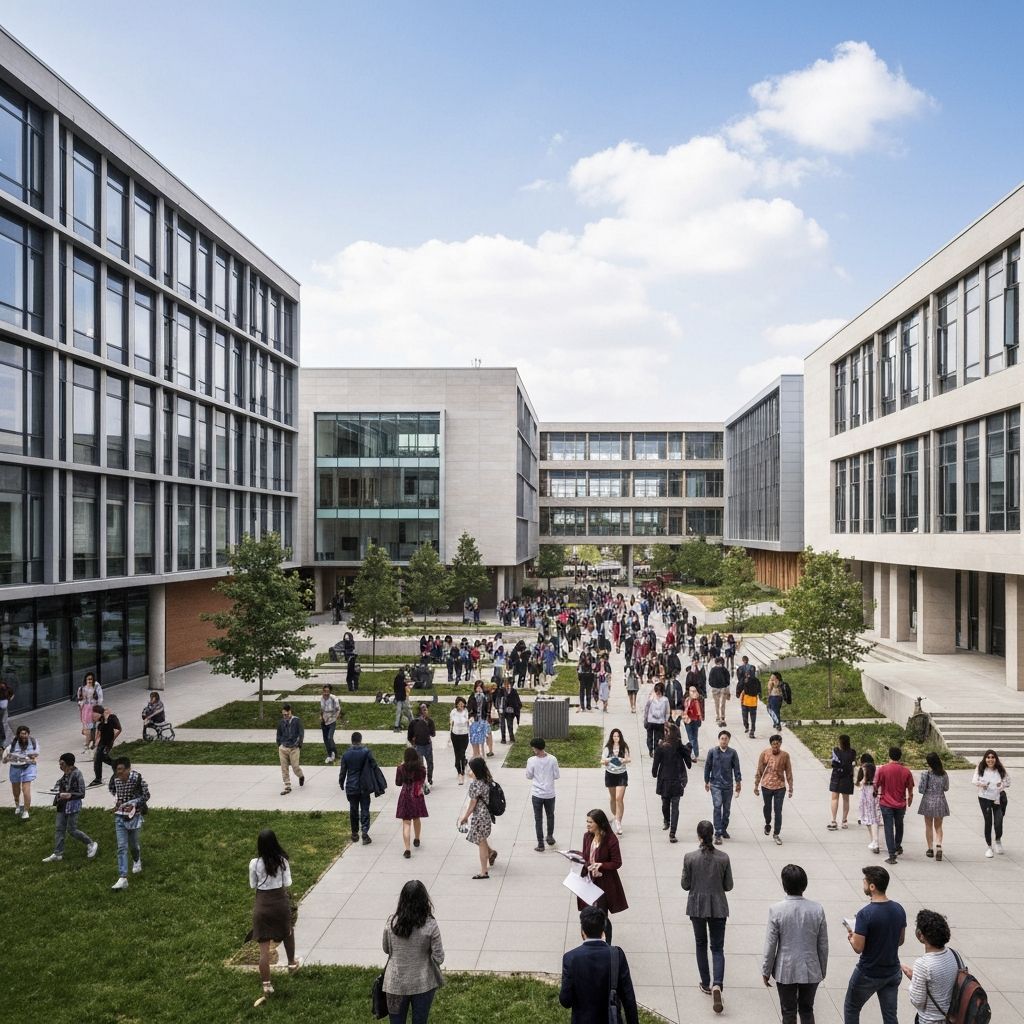
The Pursuit of Excellence in American Higher Education
American colleges represent some of the finest undergraduate institutions in the world, offering rigorous academics, vibrant campus communities, and unparalleled opportunities for personal and intellectual growth. The best colleges distinguish themselves through exceptional teaching, innovative curricula, and supportive environments that help students discover their passions and develop their abilities. These institutions produce graduates who become leaders, innovators, and engaged citizens.
Choosing the right college involves considering many factors: academic programs, campus culture, location, size, and available resources. The best colleges offer more than classroom instruction—they provide transformative experiences through research, internships, study abroad, and extracurricular activities. In this guide, we explore ten of the best colleges in the United States, each offering distinctive approaches to undergraduate education.
1. Williams College
Williams College, located in the Berkshire Mountains of Massachusetts, consistently ranks as the top liberal arts college in America. The college's tutorial system, modeled after Oxford University, pairs students with faculty for intensive, personalized study in small seminars. Williams offers exceptional academics across disciplines, from sciences to humanities to arts.
The college's stunning natural setting provides opportunities for outdoor recreation and environmental study. Williams' commitment to need-blind admission and full-need financial aid ensures access for talented students regardless of financial background. The close-knit campus community and dedicated faculty create an ideal environment for undergraduate learning.
2. Amherst College
Amherst College offers an open curriculum that allows students to design their own educational paths without distribution requirements. This freedom encourages intellectual exploration and interdisciplinary study. Located in Massachusetts, Amherst is part of the Five College Consortium, giving students access to courses at nearby institutions including the University of Massachusetts.
The college's commitment to diversity and inclusion has created a vibrant, welcoming community. Amherst's small size ensures close faculty mentorship and collaborative learning. Graduates consistently achieve success in graduate school and careers across all fields.
3. Swarthmore College
Swarthmore College, located near Philadelphia, is known for academic rigor and intellectual engagement. The college's Honors Program offers students the opportunity for intensive seminar-based study culminating in external examinations. Swarthmore combines strong academics with commitment to social responsibility and ethical engagement.
The beautiful arboretum campus provides a peaceful setting for study and reflection. Swarthmore's engineering program, unusual for a liberal arts college, offers accredited degrees alongside traditional arts and sciences. The college produces graduates who become scholars, leaders, and agents of positive change.
4. Pomona College
Pomona College anchors the Claremont Colleges consortium in Southern California, offering the intimacy of a small liberal arts college with access to resources of a larger university system. The college's rigorous academics span all disciplines, with particular strength in sciences, international relations, and arts. Pomona's location provides opportunities for internships and engagement with Los Angeles's diverse industries and cultures.
The college's residential experience fosters close community bonds and lasting friendships. Pomona's commitment to sustainability and social responsibility infuses campus life and academic programs. Graduates consistently achieve distinction in graduate school, careers, and public service.
5. Wellesley College
Wellesley College is a prestigious women's college known for academic excellence and producing influential leaders. Located near Boston, Wellesley offers rigorous programs across disciplines with particular strength in sciences, economics, and political science. The college's cross-registration agreement with MIT provides additional opportunities for study in engineering and technology.
Wellesley's beautiful lakeside campus creates an inspiring environment for learning and community. The college's network of alumnae provides valuable connections and mentorship for students and graduates. Wellesley produces women who become leaders in business, government, science, and every other field.
6. Bowdoin College
Bowdoin College in Maine offers exceptional liberal arts education in a beautiful coastal setting. The college is known for strong academics, a supportive community, and commitment to the common good. Bowdoin's Arctic Museum and coastal studies programs leverage its unique location for distinctive educational opportunities.
The college's house system creates smaller communities within the campus, fostering close relationships and peer support. Bowdoin's test-optional admission policy, adopted decades ago, demonstrates commitment to evaluating students holistically. The college produces thoughtful, engaged graduates prepared for lives of learning and contribution.
7. Middlebury College
Middlebury College in Vermont is renowned for language education, environmental studies, and international programs. The college's Language Schools, offering immersive summer programs in multiple languages, attract students from around the world. Middlebury's environmental studies program, one of the first in the nation, prepares students for careers addressing climate and sustainability challenges.
The college's beautiful Vermont campus provides exceptional opportunities for outdoor recreation and winter sports. Middlebury's study abroad programs, including schools in locations worldwide, offer transformative international experiences. Graduates combine rigorous preparation with global perspective and commitment to making a difference.
8. Carleton College
Carleton College in Minnesota offers rigorous academics in a collaborative, intellectually vibrant community. The college is known for producing future scholars and PhDs at rates exceeding much larger institutions. Carleton's trimester system allows intensive focus and flexibility in course selection.
The college's supportive culture encourages intellectual risk-taking and interdisciplinary exploration. Carleton's writing program develops skills essential for academic and professional success. Despite cold Minnesota winters, the warm campus community creates lasting bonds among students and faculty.
9. Claremont McKenna College
Claremont McKenna College focuses on economics, government, and public affairs within the liberal arts tradition. Part of the Claremont Colleges, CMC offers intimate education with access to consortium resources. The college's research institutes provide opportunities for student engagement with real-world policy questions.
CMC's emphasis on leadership development and practical experience prepares graduates for impactful careers in business, law, government, and nonprofit sectors. The Southern California location provides connections to industries and organizations offering internships and career opportunities.
10. Haverford College
Haverford College in Pennsylvania operates under an Honor Code that creates a community of trust and mutual respect. The college's partnership with neighboring Bryn Mawr College expands academic options and social opportunities. Haverford's small size ensures close faculty mentorship and collaborative learning.
The college emphasizes student self-governance and ethical responsibility. Haverford's beautiful campus, including an arboretum and nature trail, provides a peaceful environment for study and reflection. Graduates are known for integrity, intellectual ability, and commitment to positive social impact.
The Value of Liberal Arts Education
The best colleges share a commitment to liberal arts education that develops broad knowledge, critical thinking, and communication skills. This approach prepares graduates for success in an ever-changing world where adaptability and lifelong learning are essential. Strong undergraduate teaching, close student-faculty relationships, and vibrant campus communities characterize these exceptional institutions.
Whether pursuing careers in business, medicine, law, academia, or other fields, graduates of top colleges bring intellectual curiosity, analytical ability, and ethical grounding to their work. The investment in quality undergraduate education yields dividends throughout graduates' lives and careers.
