
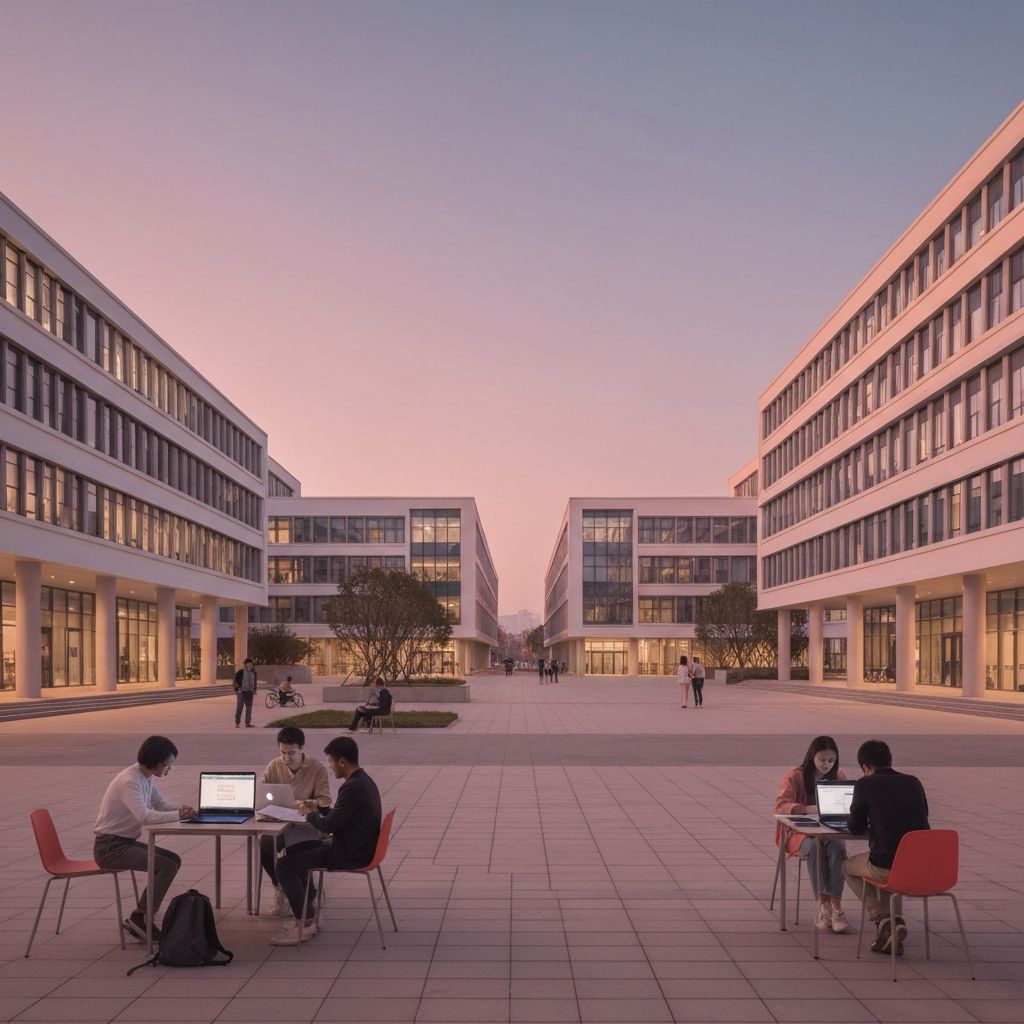
The Rise of Vocational Excellence in China
China's vocational and technical colleges have undergone a remarkable transformation, evolving from secondary options into respected institutions that produce highly skilled professionals. The government's emphasis on developing a world-class workforce has driven substantial investments in vocational education infrastructure, curriculum development, and industry partnerships. Today's leading colleges offer programs that combine theoretical knowledge with extensive practical training, preparing graduates for immediate contributions in their chosen fields.
The distinction between traditional universities and vocational colleges has become increasingly nuanced, with top technical institutions offering bachelor's degrees and conducting applied research. These colleges often boast superior employment rates compared to traditional universities, as their graduates possess job-ready skills that employers value. This guide highlights ten exceptional colleges that exemplify the best in Chinese vocational and technical education.
Shenzhen Polytechnic
Shenzhen Polytechnic has established itself as China's model vocational institution, consistently ranked among the top technical colleges nationally. The college's location in Shenzhen provides unparalleled access to technology companies and manufacturing enterprises that partner with the institution on curriculum development and student placement. Facilities include advanced laboratories, simulation centers, and production workshops that replicate real industrial environments.
The college offers programs spanning information technology, advanced manufacturing, business services, and creative industries. Shenzhen Polytechnic's faculty includes practitioners with substantial industry experience who bring current practices and challenges into the classroom. The institution's innovation in teaching methods, including modular curricula and competency-based assessment, has influenced vocational education reform across China.
Nanjing Vocational Institute of Technology
Nanjing Vocational Institute of Technology combines strong technical programs with comprehensive student development initiatives. The college's engineering and manufacturing programs benefit from partnerships with leading enterprises in the Yangtze River Delta region. Students engage in substantial practical projects, often working on real industrial challenges provided by corporate partners.
The institution has developed particular strengths in automation, robotics, and smart manufacturing technologies that align with China's industrial upgrading priorities. Nanjing VIT's career services achieve impressive placement rates, with many graduates securing positions at prominent companies before graduation. The college's continuing education programs serve working professionals seeking to upgrade their skills.
Wuxi Vocational Institute of Commerce
Wuxi Vocational Institute of Commerce has built a strong reputation in business and service industry education. The college's programs in digital commerce, supply chain management, and financial services prepare students for the evolving service economy. Modern simulation facilities allow students to practice in realistic retail, logistics, and business service environments.
The institution's approach emphasizes entrepreneurship alongside employment preparation, with many graduates launching successful small businesses. Wuxi VIC maintains extensive relationships with commercial enterprises that provide internship opportunities and employ graduates. The college's research in applied business practices contributes to industry development while enriching the educational experience.
Changzhou Institute of Mechatronic Technology
Changzhou Institute of Mechatronic Technology focuses on the intersection of mechanical and electronic engineering, preparing students for advanced manufacturing careers. The college's programs address industry needs in areas such as CNC machining, industrial robotics, and automation systems. Extensive workshop facilities equipped with industrial-grade machinery provide hands-on learning opportunities.
The institution has developed strong relationships with manufacturing enterprises throughout Jiangsu province, facilitating internships and employment for students. Changzhou IMT's faculty includes skilled craftsmen recognized at national levels, who pass on precision manufacturing traditions while teaching contemporary technologies. The college's graduates are highly sought after by precision manufacturing and equipment companies.
Chongqing Electronic Engineering Vocational College
Chongqing Electronic Engineering Vocational College serves as a leading institution for electronics and information technology education in southwestern China. The college's programs span telecommunications, embedded systems, software development, and electronic manufacturing. Modern laboratories equipped with industry-standard testing and development equipment support practical learning.
The institution has adapted its curriculum to address emerging technologies including Internet of Things applications, big data analysis, and artificial intelligence implementation. Chongqing EEVC maintains partnerships with technology companies that provide equipment, curriculum input, and employment opportunities. The college's location in Chongqing positions graduates to benefit from the region's growing technology sector.
Guangdong Light Industry Vocational Technical College
Guangdong Light Industry Vocational Technical College offers comprehensive programs in manufacturing, design, and business applications. The college's strengths include packaging design, industrial design, and light manufacturing technologies that serve the Pearl River Delta's diverse industries. Creative studios and production facilities support both artistic and technical skill development.
The institution emphasizes the integration of design thinking with practical manufacturing capabilities, producing graduates who can bridge creative and production functions. Guangdong LIVTC's design programs have earned recognition through student achievements in national and international competitions. The college's industry connections provide substantial internship and employment opportunities in Guangdong's vibrant economy.
Zhejiang Fashion Institute of Technology
Zhejiang Fashion Institute of Technology has established itself as China's premier institution for apparel and textile industry education. The college offers programs covering fashion design, textile engineering, garment manufacturing, and fashion merchandising. Industry-standard design studios, textile laboratories, and production workshops support comprehensive skill development.
The institution's location in Ningbo, a center of China's garment industry, provides exceptional opportunities for industry engagement. Students participate in fashion shows, design competitions, and industry projects that build portfolios and professional connections. Zhejiang FIT graduates find positions throughout the fashion value chain, from design houses to manufacturing enterprises and retail operations.
Shandong Commercial Vocational Technical College
Shandong Commercial Vocational Technical College focuses on preparing students for careers in commerce, hospitality, and culinary arts. The college's hospitality programs include modern hotel management simulation facilities and training restaurants where students develop practical service skills. Culinary programs maintain high standards, with graduates finding positions in leading hotels and restaurants.
The institution has developed strong programs in e-commerce and digital marketing that address the evolving retail landscape. Shandong CVTC's approach emphasizes customer service excellence and professional deportment alongside technical skills. The college maintains partnerships with major hotel chains and commercial enterprises that provide training opportunities and recruit graduates.
Jiangsu Maritime Institute
Jiangsu Maritime Institute offers specialized education for the maritime and logistics industries, with programs approved by international maritime organizations. The college's maritime programs include sophisticated ship simulation facilities and training vessels that prepare students for seafaring careers. Port logistics and supply chain programs address landside maritime industry needs.
The institution's graduates serve on vessels operating globally and in port facilities throughout China. Jiangsu Maritime Institute maintains relationships with shipping companies, port operators, and logistics enterprises that facilitate employment. The college's continuing education programs serve maritime professionals seeking license upgrades and specialized certifications.
Wuhan Railway Vocational College of Technology
Wuhan Railway Vocational College of Technology prepares students for careers in China's world-leading rail transportation sector. The college's programs cover train operation, railway engineering, signaling systems, and transportation management. Simulation facilities replicate high-speed rail operations, allowing students to develop skills in controlled environments before field training.
The institution's connections to China's state railway enterprises provide exceptional internship and employment opportunities. Graduates contribute to operating and maintaining China's extensive railway network, including its expanding high-speed rail system. Wuhan RVCT's faculty includes experienced railway professionals who bring practical expertise to their teaching.
Conclusion
China's vocational and technical colleges have achieved remarkable levels of quality and relevance, producing graduates who are immediately productive in their chosen fields. These institutions demonstrate that vocational education can achieve excellence through rigorous standards, strong industry partnerships, and commitment to student success. The colleges highlighted here represent models of effective technical education that other institutions look to for inspiration.
Students considering vocational education should recognize the valuable opportunities these institutions provide for career development and professional achievement. As China's economy continues to demand skilled workers, graduates of leading vocational colleges will find abundant opportunities for meaningful and rewarding careers. The ongoing investment in vocational education ensures these institutions will continue to evolve and improve, maintaining their essential role in China's economic development.
