
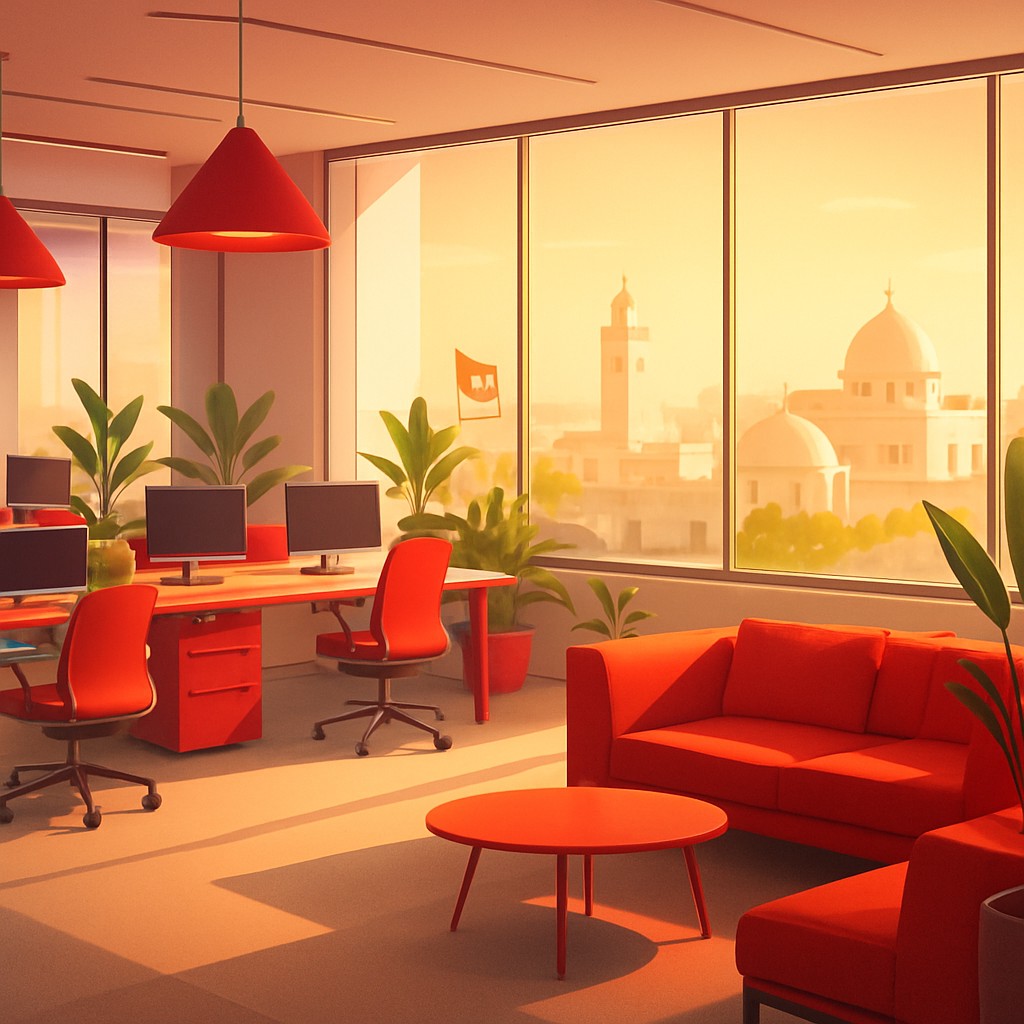
The Rise of Co-working in Tunisia
Tunisia has emerged as one of North Africa's most vibrant entrepreneurial hubs, and co-working spaces have played a central role in this transformation. Driven by a young, tech-savvy population, a growing freelance economy, and supportive startup legislation, demand for flexible workspaces has surged in Tunis, Sousse, Sfax, and beyond. These shared environments offer far more than a desk and Wi-Fi; they provide community, mentorship, and access to networks that help businesses grow. For freelancers, remote workers, and early-stage startups, co-working spaces have become essential infrastructure.
What to Expect from a Quality Co-working Space
The best co-working spaces blend functionality with atmosphere. High-speed internet, ergonomic furniture, meeting rooms, and reliable power are baseline requirements. Beyond that, leading spaces offer event programming, workshops, networking sessions, and access to investors or accelerator programs. Amenities such as coffee bars, phone booths, printing services, and relaxation zones enhance the experience. Crucially, the right community can spark collaboration, partnerships, and friendships that prove invaluable to growing ventures.
Top Co-working Spaces to Explore
Cogite is widely regarded as a pioneer of the Tunisian co-working movement, fostering a vibrant community of entrepreneurs and creatives in Tunis. The Dot offers modern, design-forward spaces that attract startups and established companies alike. B@Labs, supported by the banking sector, provides startups with not only workspace but also access to mentorship and financing networks. Lab'ess focuses on social entrepreneurship, supporting projects with positive community impact.
Other excellent options include Wiki Start Up, an incubator and workspace that has helped launch numerous tech ventures, and El Space, known for its welcoming atmosphere and flexible plans. Impact Partner combines co-working with venture support, while Hexabyte Workspace caters to digital professionals seeking reliable connectivity. Sousse Smart Center brings quality co-working to the coastal city, and Sfax Business Hub serves the entrepreneurial community in Tunisia's industrial south. Together, these spaces span the country and cater to a wide range of professional needs.
Benefits for Freelancers and Remote Workers
For independent professionals, co-working spaces offer a productive alternative to working from home or noisy cafs. A dedicated, professional environment improves focus and work-life balance, while the presence of other motivated individuals provides accountability and inspiration. Flexible membership plans, ranging from daily passes to monthly subscriptions, make these spaces accessible to those with variable workloads. Networking opportunities can also lead directly to new clients and collaborations.
Benefits for Startups and Teams
Startups benefit enormously from the ecosystem that surrounds quality co-working spaces. Many offer connections to accelerators, incubators, and investors, dramatically shortening the path from idea to funding. Shared facilities reduce overhead costs, allowing young companies to allocate resources toward growth rather than long-term office leases. The collaborative environment also makes recruiting easier, as talented individuals are often drawn to dynamic, community-driven workplaces.
Industry Trends Shaping the Sector
The Tunisian co-working sector is evolving in exciting ways. Hybrid work models, accelerated by global shifts in how people work, have increased demand for flexible memberships and bookable meeting rooms. Spaces are increasingly specializing, with some focusing on tech, others on creative industries, and still others on social impact. Programming has become a key differentiator, as members value workshops, pitch nights, and skill-building sessions as much as the physical desk.
Government support through the Startup Act has further energized the ecosystem, encouraging the creation of new spaces and strengthening ties between workspaces and the broader innovation community. Sustainability and wellness are also emerging priorities, with spaces incorporating greenery, natural light, and quiet zones to support member well-being.
Choosing the Right Space for You
Selecting a co-working space depends on your priorities. Freelancers may value location, atmosphere, and affordability, while startups might prioritize access to mentorship and investor networks. Visiting several spaces, trying day passes, and speaking with current members can help you gauge the community and culture. Consider practical factors such as opening hours, meeting room availability, and proximity to transport when making your decision.
Conclusion
Co-working spaces have become a cornerstone of Tunisia's growing knowledge economy, offering flexibility, community, and opportunity to a new generation of workers and entrepreneurs. The spaces featured here represent the best the country has to offer, each bringing its own strengths to the table. Whether you are a solo freelancer, a remote employee, or the founder of an ambitious startup, the right co-working space can provide the environment and connections you need to thrive in Tunisia's dynamic professional landscape.
