
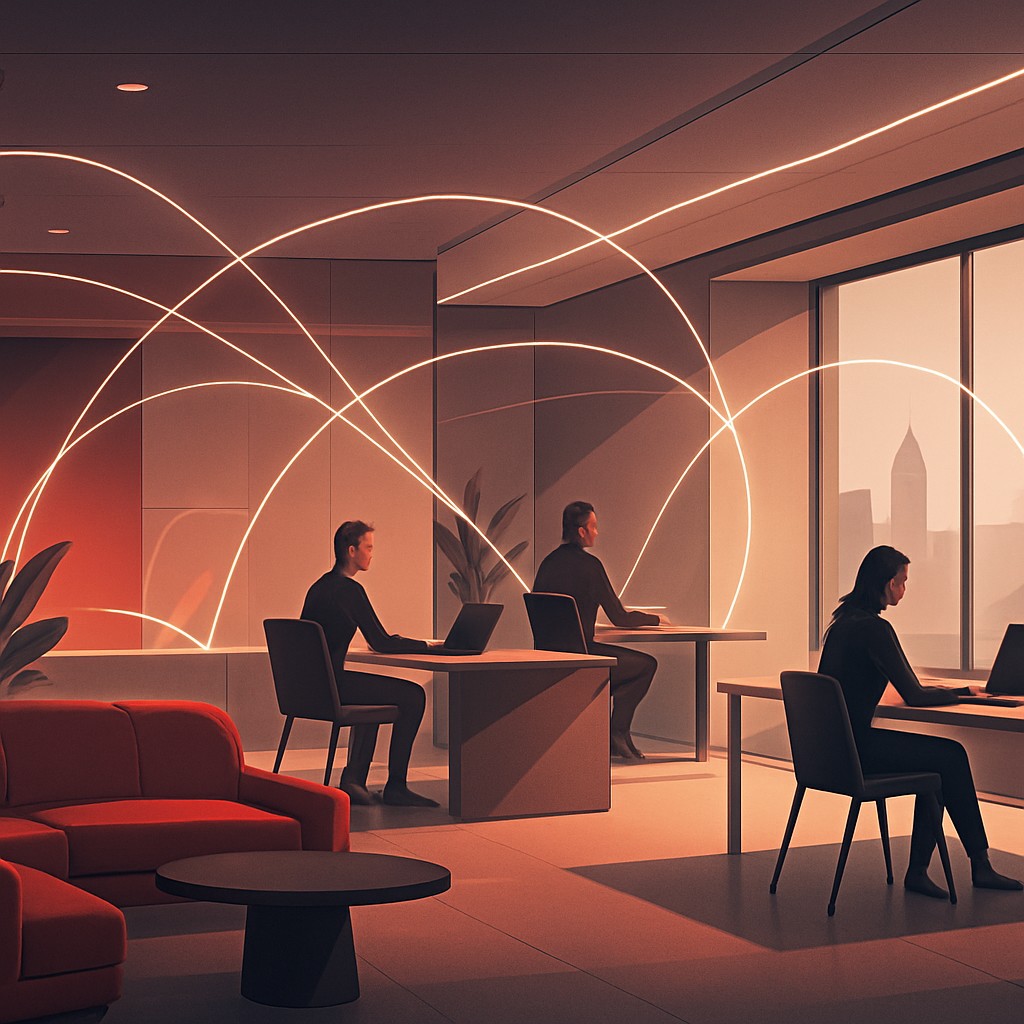
The Co-working Boom in Saudi Arabia
Saudi Arabia's workplace culture is undergoing a profound transformation. As the Kingdom nurtures entrepreneurship, attracts global talent, and diversifies its economy under Vision 2030, demand for flexible workspaces has surged. Co-working spaces have emerged as vibrant hubs where startups, freelancers, remote workers, and established companies collaborate, network, and grow.
These spaces offer far more than desks and Wi-Fi. They provide community, flexibility, and access to resources that traditional offices often lack. For a new generation of Saudi entrepreneurs and a growing population of digital nomads, co-working spaces represent an ideal blend of professionalism and creativity. Riyadh, Jeddah, and the Eastern Province have all seen a proliferation of these dynamic environments.
Why Co-working Spaces Are Thriving
Several factors drive the popularity of co-working spaces in the Kingdom. The rise of small and medium enterprises, supported by government initiatives like Monsha'at, has created a wave of founders seeking affordable, scalable office solutions. Flexible lease terms allow businesses to scale up or down without the burden of long-term commitments or capital expenditure on fit-outs.
Co-working spaces also foster collaboration and knowledge sharing. Surrounded by like-minded professionals, members often find partners, clients, and mentors. The amenities, from meeting rooms and event spaces to coffee bars and wellness areas, create environments that boost productivity and well-being.
The Top Co-working Spaces
AstroLabs is a leading tech hub and co-working space that supports startups with not only workspace but also community programs, networking events, and business expansion services.
The Garage in Riyadh is a flagship innovation hub backed by major institutions, offering startups a dynamic ecosystem complete with mentorship, funding access, and modern facilities.
Regus Saudi Arabia provides professional, flexible workspaces across multiple cities, ideal for businesses seeking polished environments and a global network of locations.
Spaces offers design-led co-working environments that blend creativity with functionality, attracting entrepreneurs and creative professionals.
Letswork connects members to a network of workspaces and cafes, offering flexibility for those who prefer to work from different locations across the Kingdom.
Hub71-inspired local hubs and innovation centers in Riyadh and Jeddah cater to tech founders seeking community and resources tailored to scaling ventures.
Quattro Workspace delivers premium private offices and shared spaces with high-end amenities, appealing to growing companies that value professionalism.
Coworking Space by Wadi Makkah supports innovators and entrepreneurs in the western region, providing facilities and programs that nurture early-stage ventures.
Beban offers flexible workspaces alongside an entrepreneurial community, helping founders connect with investors and peers.
NUMU Coworking provides modern, well-equipped spaces designed to inspire productivity, with flexible membership options for individuals and teams.
What to Look for in a Co-working Space
Choosing the right co-working space depends on your needs. Location is paramount, as a convenient, accessible spot saves commuting time and impresses clients. Consider the available amenities, including meeting rooms, high-speed internet, printing facilities, and refreshments.
The community and atmosphere matter too. Some spaces cater specifically to tech startups, while others welcome a broader mix of professionals. Membership flexibility, pricing, and the availability of private offices versus hot desks should also factor into your decision. Visiting a space in person and speaking with current members can reveal whether the culture is the right fit.
Supporting the Entrepreneurial Ecosystem
Co-working spaces are more than just real estate; they are catalysts for Saudi Arabia's entrepreneurial ecosystem. By hosting workshops, pitch events, and networking sessions, these hubs help founders refine their ideas, build connections, and access funding. They embody the collaborative, innovative spirit that Vision 2030 seeks to cultivate.
For freelancers and remote workers, these spaces offer a professional alternative to working from home, complete with the structure and social interaction that boost focus and creativity. As remote and hybrid work models become more common, co-working spaces will continue to play a vital role.
Conclusion
Co-working spaces have become essential infrastructure for Saudi Arabia's evolving economy. The spaces highlighted here lead the way in providing flexible, inspiring, and community-driven environments that empower entrepreneurs, freelancers, and enterprises alike. As the Kingdom continues its journey toward a diversified, innovation-led future, these dynamic workspaces will remain at the heart of how Saudis work and create.
