
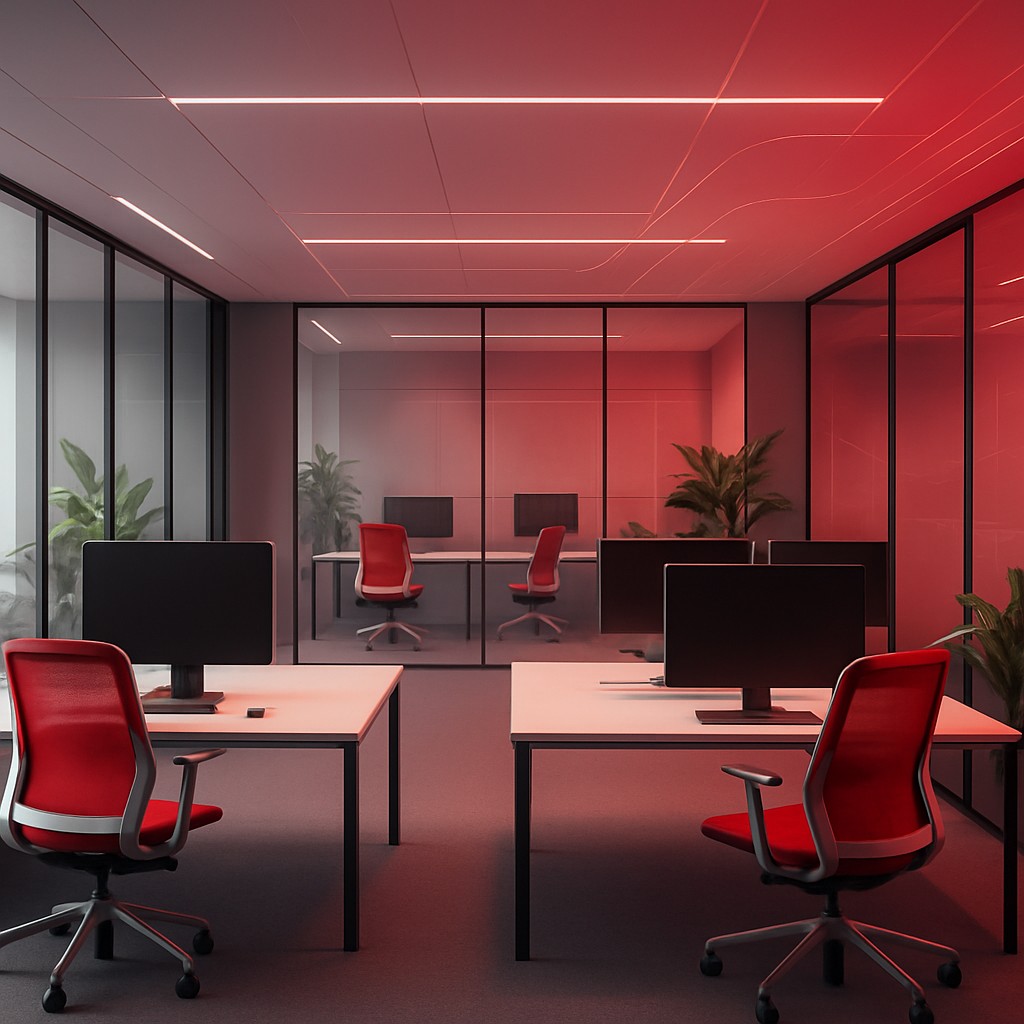
The Rise of Co-working in Romania
Over the past decade, Romania has quietly transformed into one of Eastern Europe's most dynamic hubs for flexible work. Cities such as Bucharest, Cluj-Napoca, Timisoara, Iasi, and Brasov have become magnets for technology talent, digital nomads, and fast-growing startups. The country's competitive cost of living, strong internet infrastructure, and large pool of English-speaking professionals have made it an attractive destination for remote teams and entrepreneurs alike. Co-working spaces sit at the heart of this shift, offering not just desks and meeting rooms but entire communities built around collaboration and growth.
The appeal of co-working in Romania goes well beyond affordability. These spaces provide a professional environment that supports productivity while removing the overhead and rigidity of traditional office leases. For solo founders and small teams, this flexibility is invaluable, allowing them to scale up or down as their needs change.
What Makes a Great Co-working Space
The best co-working spaces share several defining qualities. Reliable high-speed connectivity, ergonomic furniture, and quiet zones for focused work are baseline expectations. Beyond infrastructure, leading venues differentiate themselves through community programming, mentorship opportunities, and access to investor networks. Thoughtful design, natural light, and well-stocked kitchens contribute to member wellbeing and retention.
Membership flexibility is another key factor. Hot desks, dedicated desks, and private offices let members choose the arrangement that suits their workflow and budget. Many spaces also offer day passes and virtual office services, broadening their appeal to occasional visitors and registered businesses that need a professional address.
Leading Co-working Spaces Across the Country
Impact Hub Bucharest is one of the most recognized names in the Romanian co-working landscape. Part of a global network, it focuses on social entrepreneurship and impact-driven ventures, hosting frequent workshops and community events that connect founders with mentors and funders.
Commons by Stejarii Country Club brings a premium, design-forward approach to flexible work, blending elegant interiors with wellness-oriented amenities. TechHub Bucharest has long been associated with the local startup community, offering members proximity to investors and a packed calendar of tech-focused gatherings.
In Cluj-Napoca, Cluj Cowork and ClujHub serve a thriving software and product community, providing collaborative environments tailored to engineers and creative professionals. Spaces Bucharest and Regus, both part of larger international brands, deliver consistent, professional facilities with the reassurance of a global standard.
NOD Makerspace stands out for its focus on makers, designers, and prototyping, combining co-working with workshop facilities for hardware and creative projects. Beehive offers a polished, business-oriented atmosphere popular with consultants and established companies, while The Office in Cluj and Timisoara caters to teams seeking premium private suites within a flexible framework.
Benefits for Freelancers and Startups
For freelancers, co-working spaces solve the isolation that often accompanies independent work. The presence of like-minded professionals fosters accidental collaboration, referrals, and friendships that frequently turn into business opportunities. Startups, meanwhile, benefit from the credibility of a professional address and the ability to host clients in well-appointed meeting rooms.
Networking is perhaps the most underrated advantage. Many Romanian co-working spaces curate their member base and organize regular community events, creating fertile ground for partnerships and knowledge exchange. Access to events, pitch nights, and mentorship can meaningfully accelerate a young company's trajectory.
Industry Trends Shaping the Future
Hybrid work has permanently reshaped demand for flexible offices. Romanian providers are responding with more adaptable membership models, including part-time plans and credits that members can spend across multiple locations. Sustainability is also rising in importance, with operators investing in energy-efficient lighting, recycling programs, and greener building materials.
Another notable trend is the blurring of lines between co-working and lifestyle. Spaces increasingly incorporate cafes, wellness rooms, and event venues, positioning themselves as third places where people want to spend time rather than mere offices. This evolution reflects a broader understanding that environment directly influences creativity and output.
How to Choose the Right Space
Selecting the ideal co-working space comes down to aligning your priorities with what a venue offers. Consider location and commute, the type of community you want to be part of, and the amenities that matter most to your daily routine. Visiting in person, ideally with a day pass, gives you a feel for the atmosphere, noise levels, and member culture before committing.
Budget remains important, but the cheapest option is rarely the best value. Weigh the cost against the quality of facilities, the strength of the community, and the growth opportunities a space can unlock for you or your team.
Conclusion
Romania's co-working spaces have become essential infrastructure for the country's growing community of entrepreneurs, freelancers, and remote workers. From impact-driven hubs to premium business lounges and maker-focused studios, there is a space to match nearly every working style and ambition. By choosing a venue that aligns with your goals, you gain far more than a desk: you join a community that can help your work and ideas thrive.
