
The Emergence of Co-working Spaces in Papua New Guinea
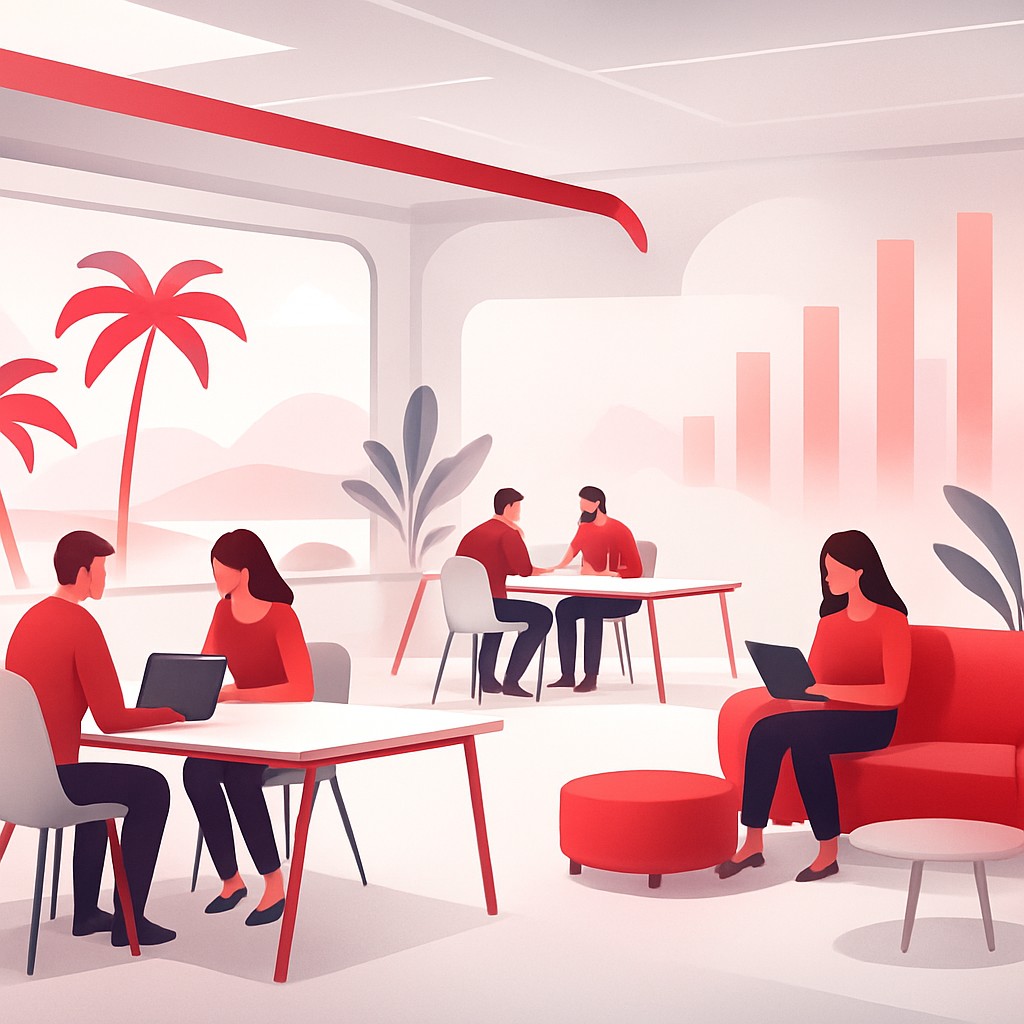
The way people work is changing in Papua New Guinea, and co-working spaces are at the heart of this shift. As entrepreneurship, freelancing, and flexible working arrangements grow, demand for professional, well-equipped shared workspaces has risen, particularly in urban centres such as Port Moresby. Co-working spaces offer an attractive alternative to traditional offices, providing reliable infrastructure, professional environments, and networking opportunities without the overhead of long-term leases and fit-outs.
These spaces serve a wide range of users, including startups, small businesses, remote workers, consultants, and visiting professionals. By offering reliable power, internet connectivity, meeting rooms, and a collaborative atmosphere, co-working spaces address many of the practical challenges of doing business and support a growing culture of innovation and enterprise.
What Makes a Great Co-working Space
The best co-working spaces are defined by reliable infrastructure, comfortable and professional environments, and a strong sense of community. Consistent power and high-speed internet are essential, as are well-designed workspaces, meeting rooms, and amenities. Security, accessibility, and flexible membership options add significant value. Beyond facilities, the most successful spaces foster collaboration, networking, and a supportive atmosphere that helps members grow their businesses and connections.
Professional management, cleanliness, and a welcoming culture further distinguish leading co-working providers.
1. The Innovation Hub Port Moresby
A leading shared workspace in the capital, The Innovation Hub offers modern facilities, reliable connectivity, and a vibrant community of entrepreneurs and professionals. Its focus on innovation and collaboration makes it a popular choice for startups and freelancers.
2. Lamana Business Centre
Associated with quality developments, Lamana Business Centre provides professional shared office space with reliable amenities, meeting rooms, and a convenient location for businesses and individuals.
3. Crossroads Workspace
This co-working space offers flexible memberships and well-equipped facilities, catering to remote workers, consultants, and small teams seeking a professional environment.
4. Moresby Co-work Collective
Emphasising community and collaboration, this space brings together a diverse group of professionals, offering desks, meeting rooms, and networking events that support entrepreneurship.
5. Harbour City Business Hub
Located in a prominent commercial precinct, this hub provides modern shared office space with quality infrastructure and amenities, appealing to businesses seeking a central location.
6. Niugini Workspaces
This provider offers flexible shared offices and hot desks, focusing on reliable utilities and professional environments for freelancers and small enterprises.
7. The Hub Lae
Extending co-working to the industrial hub of Lae, this space supports professionals and businesses in the region with shared offices, connectivity, and meeting facilities.
8. Pacific Coworking Space
This space combines professional facilities with a collaborative atmosphere, offering memberships suited to startups, remote workers, and project teams.
9. Gordons Business Lounge
Providing accessible shared workspace, this lounge offers desks, meeting areas, and reliable amenities for professionals seeking flexibility and convenience.
10. Highlands Enterprise Space
Serving the highlands region, this co-working space supports regional entrepreneurs and professionals with shared offices and reliable infrastructure beyond the major cities.
Benefits of Co-working Spaces
Co-working spaces offer numerous advantages. They provide cost-effective access to professional facilities without the commitment of traditional leases, making them ideal for startups and small businesses. Reliable power and internet address common operational challenges, while flexible memberships allow users to scale up or down as needed. Perhaps most importantly, co-working spaces foster networking and collaboration, connecting members with potential partners, clients, and mentors within a supportive community.
Trends Driving Growth
Several trends are fueling the growth of co-working spaces. The rise of entrepreneurship and small business activity is increasing demand for flexible, affordable workspace. Remote and hybrid working arrangements are becoming more common, creating a need for professional environments outside the home. Reliable infrastructure remains a key draw, as co-working spaces offer dependable utilities and connectivity. The emphasis on community and collaboration also resonates with a new generation of professionals seeking connection and support.
Choosing the Right Co-working Space
When selecting a co-working space, users should consider location, reliability of infrastructure, available amenities, and membership flexibility. The atmosphere and sense of community are important for those seeking networking and collaboration. Factors such as security, accessibility, meeting room availability, and professional management all contribute to the overall experience. Visiting a space and trialing a membership can help individuals and teams find the best fit for their needs.
Supporting a New Generation of Entrepreneurs
Co-working spaces are doing more than providing desks; they are nurturing a new generation of entrepreneurs and innovators in Papua New Guinea. By lowering the barriers to starting and running a business, these spaces enable individuals to pursue ideas that might otherwise remain out of reach. The communities they foster connect founders with mentors, peers, and potential collaborators, accelerating learning and growth. Workshops, networking events, and shared knowledge create an environment where small enterprises can thrive. This ecosystem effect is particularly valuable in a developing economy, where access to affordable infrastructure and professional networks can determine whether a promising venture succeeds. In this way, co-working spaces contribute meaningfully to economic diversification and the country's entrepreneurial future.
Conclusion
The co-working spaces featured here are playing a vital role in supporting entrepreneurship, flexible work, and innovation across Papua New Guinea. By providing reliable infrastructure, professional environments, and collaborative communities, they empower startups, freelancers, and businesses to thrive. As the future of work continues to evolve, co-working spaces will remain an important part of the country's economic and professional landscape, fostering growth and connection for years to come.
