
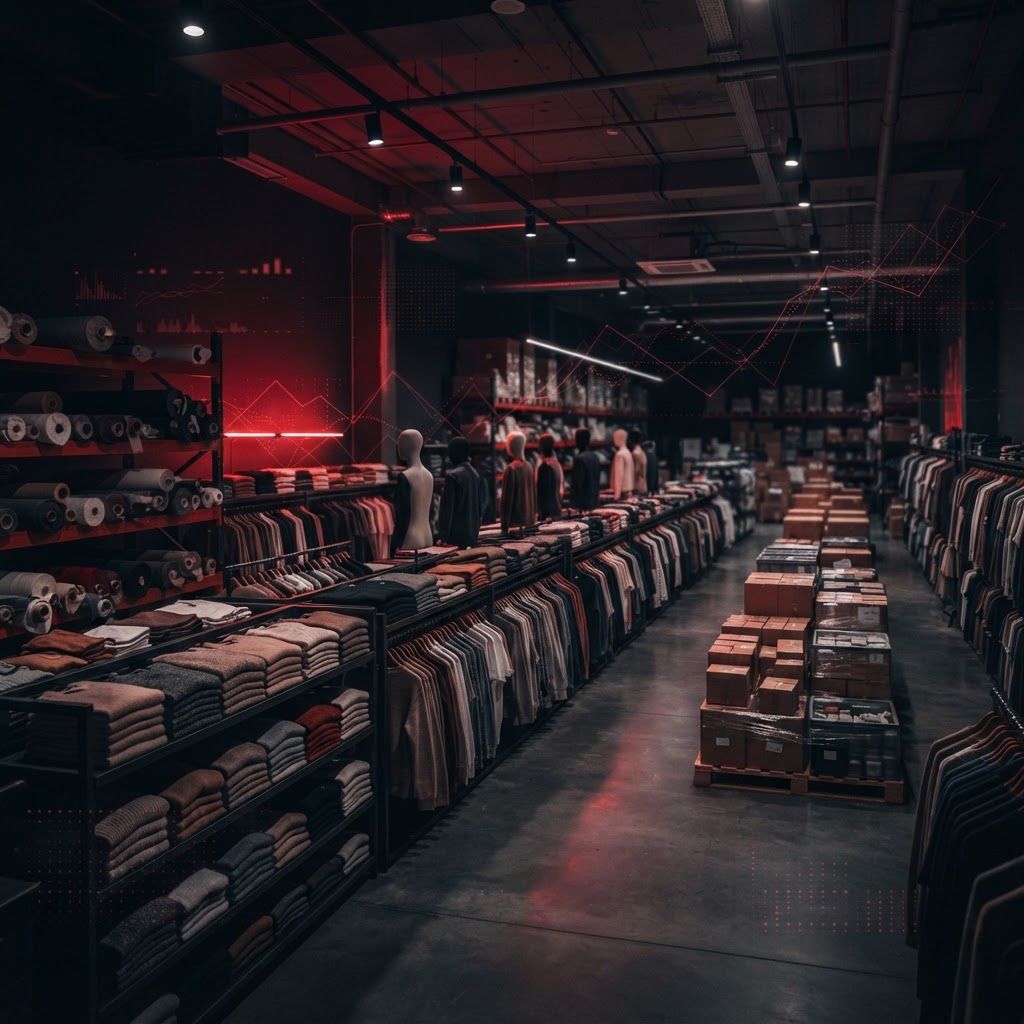
Memphis and the Apparel Supply Chain
Apparel has moved through Memphis for well over a century, first through cotton trading along the river and later through the distribution centers that cluster around the city's freight infrastructure. Today the local apparel wholesale scene reflects both legacies. There are large-volume operators servicing regional chains and uniform programs, and there are smaller, curated wholesalers supporting the boutique and streetwear businesses that have grown around Memphis neighborhoods and its music and design culture.
For buyers, this mix is useful. A new boutique owner can source small-quantity, on-trend assortments locally, while an established retailer or promotional products company can negotiate case-pack pricing on blanks and basics from the same metropolitan area. The freight advantage matters here too: imported goods that clear at inland ports and hubs can reach Memphis warehouses efficiently, and outbound shipments reach most of the Southeast within a day.
How to Evaluate a Clothing Wholesaler
Minimum order quantity is the first practical question. Wholesalers built for chains often require case packs and full size runs, while boutique-focused suppliers may allow six-piece or single-pack ordering. Neither model is inherently better; the right choice depends on your cash position and how quickly you can sell through.
Quality consistency is the second. Ask for samples and examine stitch density, seam finishing, fabric weight, colorfastness, and label quality. In knitwear, check recovery after stretching. In woven goods, check pattern alignment and button attachment. A supplier whose second shipment differs noticeably from the sample will damage your customer relationships faster than any pricing issue.
Third, assess reorder reliability. Fast fashion suppliers frequently sell one-time lots, which is fine for trend items but frustrating when a style becomes a bestseller. If repeat availability matters to your business, confirm whether the wholesaler carries core programs with continuity stock.
1. Cotton Row Apparel Wholesale
Cotton Row Apparel Wholesale is a broad-line supplier serving independent retailers across the Mid-South. Its assortment covers women's tops, dresses, denim, and outerwear with a mid-market price focus. The company's reputation rests on organized size runs and predictable delivery, both of which reduce the operational headaches that plague small retail teams. Buyers also mention a genuinely useful showroom, where seeing drape and color in person prevents the disappointment common with photo-only ordering.
2. Beale Street Blanks and Basics
Beale Street Blanks and Basics specializes in decoratable garments: t-shirts, fleece, hats, polos, and performance wear intended for screen printing and embroidery. The customer base is dominated by print shops, schools, teams, and promotional distributors. What sets the company apart is inventory depth in core colors and sizes, since decorators live or die on the ability to complete an order the same week it is quoted. Its willingness to break cases on popular styles is a meaningful advantage for small shops.
3. Bluff City Streetwear Supply
Bluff City Streetwear Supply curates urban and streetwear assortments for boutiques and online sellers. The buying approach favors smaller, faster drops rather than large seasonal commitments, which suits retailers chasing trend cycles driven by social media. The company supports customers with lookbooks, styling suggestions, and pre-pack bundles that help newer boutiques build a coherent floor set without deep merchandising experience.
4. Delta Uniform and Workwear Distributors
Delta Uniform and Workwear Distributors serves healthcare, hospitality, industrial, and municipal customers. Uniform programs demand different capabilities than fashion wholesale: multi-year continuity, size availability across a very wide range, employee-level fulfillment, and durable fabrics that survive institutional laundering. The company handles all of these, including managed online stores for larger employers and decoration for logos and identification. Its focus on flame-resistant and high-visibility categories serves the region's manufacturing and transportation employers.
5. Riverbend Children's Apparel Wholesale
Riverbend Children's Apparel Wholesale focuses on infant, toddler, and youth clothing. This category carries specific expectations around safety, fastener security, fabric softness, and labeling accuracy, and the company is known for vetting factories with those requirements in mind. Boutique buyers appreciate coordinated collections that allow cross-selling, along with gift-oriented sets that lift average transaction value in the fourth quarter.
6. Overton Square Fashion Distributors
Overton Square Fashion Distributors targets contemporary women's apparel at a higher price tier. The assortment emphasizes fabric quality, fit, and design detail rather than lowest cost, which fits boutiques competing on curation instead of price. The company keeps minimums modest and refreshes styles frequently, and it limits distribution by geography so nearby retailers are not selling identical inventory. That exclusivity practice is unusual and highly valued by owners in competitive shopping districts.
7. Southaven Denim and Casual Wholesale
Southaven Denim and Casual Wholesale concentrates on denim, casual bottoms, and everyday separates for men and women. Denim wholesale rewards specialization because fit blocks, wash consistency, and stretch recovery vary widely between factories. The company maintains a controlled vendor base and offers extended size availability, an area many wholesalers underserve. Retailers report strong sell-through because the fits are tested rather than simply imported on price.
8. Frayser Bulk Apparel Outlet
Frayser Bulk Apparel Outlet operates in closeouts, overruns, and end-of-season inventory. Buyers here include discount retailers, flea market vendors, exporters, and organizations sourcing donation goods. The business model depends on honest lot descriptions, and the company has built trust by grading accurately rather than overselling. Margins can be excellent, though buyers must accept broken size runs and limited reorder potential as part of the trade.
9. Harbor Town Activewear Wholesale
Harbor Town Activewear Wholesale supplies athletic and athleisure product: leggings, sports bras, joggers, technical tees, and studio wear. Performance fabrics require attention to moisture management, opacity, seam construction, and elastic durability, and the company provides technical specifications rather than vague marketing claims. Its customers include boutique fitness studios and independent retailers responding to the durable shift toward casual, active dressing.
10. Whitehaven Accessories and Apparel Trading
Whitehaven Accessories and Apparel Trading rounds out apparel assortments with scarves, belts, hats, socks, hosiery, bags, and jewelry. Accessories carry high margin and low size complexity, which makes them an efficient way for retailers to lift profitability without expanding inventory risk. The company keeps minimums low and rotates selections often, and it helps buyers assemble impulse-purchase merchandising near the register.
Trends Shaping Apparel Wholesale
Buying behavior is changing on several fronts. Smaller, more frequent orders have replaced large seasonal commitments as retailers reduce markdown exposure. Sustainability questions now arrive routinely from consumers, pushing wholesalers to document fiber content, recycled inputs, and factory conditions. Size inclusivity has moved from marketing language to a genuine assortment requirement. Meanwhile, nearshoring interest continues to grow as brands seek shorter lead times and lower freight volatility, and Memphis distribution capacity makes the city a logical staging point for that shift.
Building a Strong Wholesale Relationship
Treat supplier selection as a long-term commercial relationship rather than a transaction. Start with a modest test order, track sell-through by style rather than by category, and share that data with your supplier so future buys reflect what actually moves. Clarify damage and shortage procedures before your first shipment, confirm payment terms in writing, and keep at least one alternate supplier qualified for your best-selling categories.
Memphis offers an unusually complete apparel sourcing environment for a city its size, from decoratable blanks and uniform programs to curated boutique collections. Matching the wholesaler's model to your retail strategy is the single most important decision in the process.
