
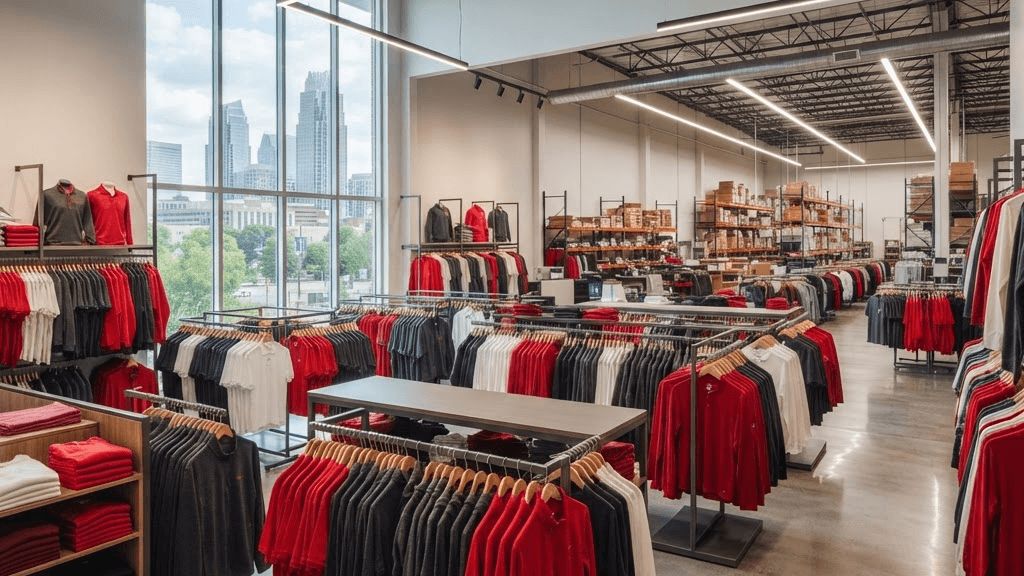
Why Charlotte Is a Rising Hub for Clothing Wholesale
Charlotte, North Carolina has quietly become one of the most active apparel distribution centers in the Southeast. Its strategic location along major interstate corridors, combined with a strong logistics infrastructure and a growing population of independent retailers, makes the city an ideal base for clothing wholesalers. Boutique owners, online resellers, and established retail chains all rely on the region's wholesale network to keep shelves stocked with fresh, on-trend inventory throughout the year.
The city's textile roots run deep. North Carolina was historically a powerhouse of American textile manufacturing, and that legacy continues to influence the local wholesale ecosystem. Today's Charlotte wholesalers combine that heritage with modern sourcing practices, offering everything from fast-fashion basics to premium branded overstock and specialty apparel.
What to Look for in a Clothing Wholesaler
Choosing the right wholesale partner is about far more than price. The best clothing wholesalers in Charlotte distinguish themselves through consistent product quality, reliable inventory availability, flexible minimum order quantities, and transparent return policies. For small businesses in particular, a wholesaler that offers low minimums and mixed-lot ordering can be the difference between healthy margins and stranded capital.
Trend responsiveness also matters. Leading suppliers monitor seasonal demand and refresh their catalogs frequently, ensuring retailers can react quickly to shifting consumer tastes. Wholesalers who provide detailed size runs, fabric information, and accurate photography make it far easier for buyers to make confident purchasing decisions.
Categories That Define Charlotte's Apparel Market
The local wholesale market spans an impressive range of categories. Casual and streetwear remain dominant, driven by Charlotte's younger, style-conscious demographic. Activewear and athleisure have surged alongside the city's fitness culture, while professional and business-casual lines serve the region's substantial corporate workforce, including its well-known banking and finance sector.
Beyond everyday clothing, specialty segments such as children's apparel, plus-size fashion, and occasion wear have carved out reliable niches. Many wholesalers also supply blank apparel for the custom printing and embroidery businesses that thrive around Charlotte's active event and sports communities.
Industry Trends Shaping Wholesale in the Region
Sustainability is reshaping how apparel is sourced and sold. A growing number of Charlotte wholesalers now prioritize responsibly produced garments, organic fabrics, and transparent supply chains in response to consumer demand. This shift is helping local retailers differentiate themselves in an increasingly values-driven marketplace.
Technology is another major force. Digital ordering platforms, real-time inventory dashboards, and streamlined logistics have made it easier than ever for retailers to restock without traveling to a physical showroom. Many wholesalers now blend online catalogs with in-person showroom experiences, giving buyers the best of both worlds.
Benefits of Sourcing Locally
Partnering with a Charlotte-based wholesaler offers tangible advantages. Shorter shipping distances translate into faster restocking and lower freight costs, which is especially valuable for businesses managing tight inventory cycles. Local relationships also foster better communication, more flexible terms, and the ability to inspect merchandise firsthand before committing to large orders.
Supporting regional wholesalers strengthens the broader Charlotte business community as well. Many suppliers actively collaborate with local designers and emerging brands, creating a vibrant ecosystem where retailers can discover unique products that set them apart from national competitors.
How to Build a Strong Wholesale Relationship
The most successful retailers treat their wholesalers as long-term partners rather than transactional vendors. Consistent communication, timely payments, and honest feedback help build trust that often leads to preferential pricing, early access to new collections, and priority during high-demand seasons. Wholesalers who understand a retailer's target customer can proactively recommend products that sell.
Buyers should also take advantage of trade shows, showroom visits, and seasonal preview events hosted throughout the Charlotte area. These gatherings offer valuable opportunities to evaluate quality in person, negotiate terms, and stay ahead of emerging trends before they hit the mainstream market.
A Practical Evaluation Checklist
Before opening an account, buyers should request current catalogs, ordering terms, lead-time expectations, and written policies for damaged or unsuitable goods. Compare total landed cost rather than unit price alone, because freight, handling fees, minimum quantities, and payment terms can materially change the real value of an order. Ask how the supplier manages seasonal demand, unexpected shortages, and substitutions. A dependable partner should answer clearly, document specifications, and communicate early when conditions change.
Begin with a controlled trial order whenever possible. Use it to assess packaging, order accuracy, product consistency, delivery performance, and the responsiveness of the service team. Keep records for several purchasing cycles and compare fill rates, defects, turnaround times, and sell-through results. Charlotte businesses should also consider proximity to major routes, pickup availability, and the supplier's familiarity with regional demand. These practical measures reveal whether attractive initial pricing is supported by dependable long-term value and make it easier to select a supplier that can scale with the business.
Final Thoughts
Charlotte's clothing wholesale industry offers a rich blend of variety, quality, and reliability that supports retailers of every size. Whether you operate a boutique storefront, an online shop, or a growing regional chain, the city's wholesalers provide the inventory, expertise, and partnership needed to compete effectively. By prioritizing quality, trend awareness, and strong supplier relationships, businesses can leverage Charlotte's dynamic apparel market to fuel sustainable growth.
