
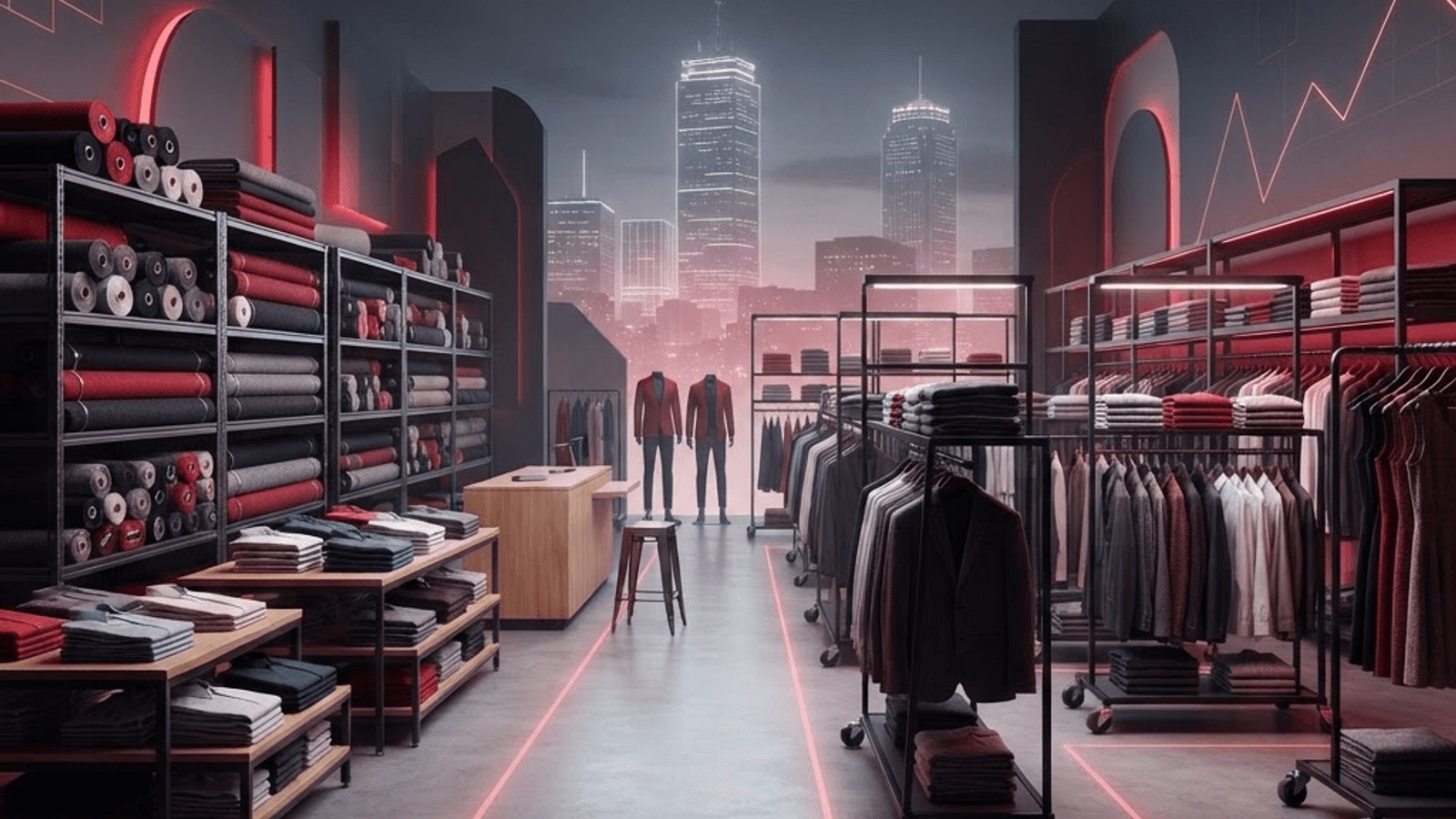
Apparel Sourcing in a Historic Textile Region
New England built its early fortune on textiles, and while the mills have largely gone, the region retains a sophisticated apparel trade. Boston today supports independent boutiques on Newbury Street, a vast collegiate market spanning dozens of campuses, professional uniform programs across hospitals and hospitality groups, and a steady stream of emerging brands launching from local design programs. Each of those channels needs a different kind of wholesaler.
What unites them is a demand for reliability. Fashion is unforgiving about timing: a shipment that lands three weeks late can miss an entire selling window, and a sizing inconsistency can generate returns that erase a season's margin. The wholesalers that succeed in this market are the ones who deliver consistent quality, predictable replenishment, and terms that let small businesses manage cash flow.
What to Look for in an Apparel Wholesaler
Start with product consistency across production runs, particularly in fabric weight, color matching, and fit. Ask about minimum order quantities and whether the supplier offers pack breaks or single-unit replenishment, which matters enormously for boutiques carrying deep assortments. Evaluate decoration compatibility if you plan to print or embroider, since fabric blends and finishes affect results. Investigate compliance and ethics documentation, including factory audit reports and material certifications, because customers increasingly ask where garments are made. Finally, weigh logistics: local warehousing shortens replenishment cycles dramatically compared with overseas direct import.
The Top 10 Clothing Wholesalers Serving Boston
1. SanMar
The dominant name in blank apparel distribution, SanMar supplies decorators, uniform programs, and promotional companies with an enormous catalog spanning basics to premium branded lines. Boston customers benefit from regional distribution that supports rapid turnaround, plus consistent sizing across seasons that makes reordering safe. Its scale and reliability make it the default backbone for most decorated apparel businesses in the area.
2. Alphabroder and Regional Blank Distributors
Serving the same decorated apparel market, these distributors compete through inventory depth, competitive tiered pricing, and integration tools that let screen printers check stock automatically. Their strength lies in breadth of brands, letting a customer offer budget, mid-tier, and premium options from a single account.
3. Uniform and Workwear Suppliers to Boston Institutions
Hospitals, laboratories, restaurants, and property management firms all require managed uniform programs. Specialists in this category differentiate through online employee ordering portals, size sets for fitting events, embroidery of department identification, and long-term product continuity so a program does not change appearance every year.
4. New England Fashion Importers and Showrooms
Boutique buyers work with importers and multi-line showrooms that curate contemporary women's and men's collections. These partners add value through trend guidance, coordinated delivery windows, and flexible reorder options that help small shops chase best sellers without overcommitting at market.
5. Collegiate and Licensed Apparel Wholesalers
With one of the highest concentrations of universities in the country, Boston sustains a substantial licensed apparel trade. Wholesalers in this niche manage licensing compliance, produce team and institution-specific graphics, and handle the sharp seasonality of orientation, homecoming, and graduation demand.
6. Sustainable and Organic Apparel Wholesalers
Demand for organic cotton, recycled polyester, and low-impact dyes has grown quickly among Boston's socially conscious consumer base. Suppliers focused on this segment provide certification documentation, transparent factory information, and materials that satisfy institutional purchasing policies at universities and nonprofits.
7. Off-Price and Closeout Apparel Wholesalers
Discount retailers, pop-up operators, and value-focused shops buy overruns, canceled orders, and past-season goods by the lot. The reputable operators in this space provide accurate manifests, honest grading, and consistent case counts, which is what separates a profitable buy from a warehouse full of unsellable inventory.
8. Activewear and Performance Apparel Suppliers
Boston's running culture, gyms, and youth sports leagues drive strong demand for technical apparel. Wholesalers here compete on moisture management fabrics, sublimation-ready blanks, team customization, and sizing ranges that accommodate youth through adult programs in a single order.
9. Children's and Family Apparel Wholesalers
Independent children's boutiques across the suburbs source from wholesalers specializing in kidswear, where safety compliance, durability through laundering, and charm are the deciding factors. Low minimums and frequent new arrivals are essential in a category where customers shop for novelty.
10. Custom Manufacturing and Private Label Partners
Emerging Boston labels eventually need production rather than resale. Private label partners provide pattern making, sampling, grading, and small-batch manufacturing, sometimes domestically and sometimes through vetted overseas factories. Their real contribution is guiding first-time founders through technical packs and quality control before an expensive mistake reaches production.
Trends in the Boston Apparel Wholesale Market
Smaller, faster orders now define the market. Retailers have reduced inventory risk by buying closer to need, which pushes wholesalers to hold stock domestically and support frequent replenishment. Sustainability has shifted from marketing to procurement requirement, especially for institutional buyers. Direct-to-garment and hybrid digital printing have made ultra-low-volume customization economically viable, opening opportunities for small brands and event merchandise. Nearshoring interest continues to grow as brands seek shorter lead times and greater supply chain visibility. Meanwhile, data-driven assortment planning has become common even among small independents, with point-of-sale insights guiding reorders rather than intuition alone.
How to Build a Reliable Sourcing Strategy
Order samples before committing, and wash and wear them; specification sheets rarely reveal how a garment behaves after five launderings. Confirm size grading against your customer base rather than assuming industry standards. Negotiate clear terms on defects, shortages, and late delivery in writing. Diversify across at least two suppliers for core items so a single factory delay cannot empty your shelves. Track sell-through by style and color rigorously so reorders are based on evidence. And visit showrooms or trade markets when you can, because seeing fabric in person remains the fastest way to judge quality.
Conclusion
Boston's clothing wholesale landscape offers something for every business model, from a decorator printing thousands of event shirts to a boutique curating a small seasonal collection. Success comes from matching the supplier type to your channel, testing quality before scaling, and building relationships that give you priority when inventory is tight. Handled well, sourcing becomes a competitive advantage rather than a constant scramble.
