
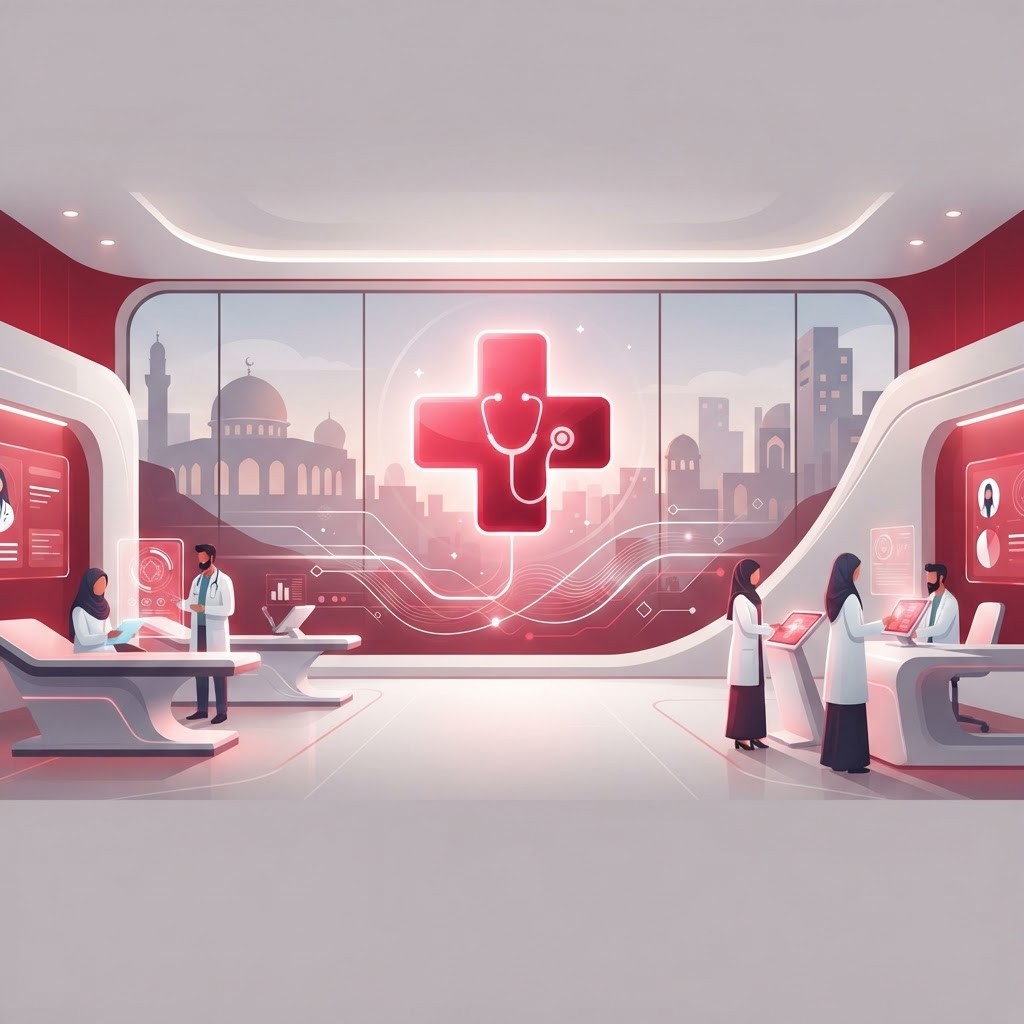
An Overview of Clinical Care in Palestine
The healthcare landscape in the State of Palestine has evolved considerably over the past two decades, with clinics playing a central role in delivering accessible, community-focused medical services. Situated across the West Bank, Gaza, and East Jerusalem, these clinics bridge the gap between primary care and specialized hospital treatment, serving families, workers, and visitors alike. Despite operating within a challenging environment, Palestinian clinics have built a reputation for resilience, dedication, and a genuine commitment to patient welfare.
Modern clinics in the region combine experienced physicians with steadily improving diagnostic technology. Many maintain partnerships with international medical organizations, enabling knowledge exchange, continuing education, and access to updated treatment protocols. As a result, patients benefit from care that reflects contemporary global standards while remaining rooted in the cultural context of their communities.
What Defines a Leading Clinic
Excellence in clinical care extends beyond the presence of medical equipment. The finest clinics distinguish themselves through comprehensive service ranges, well-trained multidisciplinary teams, and an emphasis on preventive medicine. They prioritize early diagnosis, chronic disease management, and health education, recognizing that informed patients achieve better long-term outcomes.
Accreditation and adherence to hygiene and safety standards are equally important markers of quality. Top clinics implement strict infection-control measures, maintain organized patient records, and invest in staff development. Their reception areas, consultation rooms, and treatment spaces are designed to be welcoming and efficient, reducing waiting times and improving the overall patient experience.
Ten Trusted Clinics Serving Palestinian Communities
Institutions such as the Palestine Medical Complex clinics in Ramallah have become anchors of specialized outpatient care, offering cardiology, internal medicine, and surgical consultations under one roof. The Augusta Victoria Hospital clinics in East Jerusalem are widely respected for oncology and kidney care, drawing patients from across the region.
The Al-Makassed clinics, also in Jerusalem, provide extensive pediatric and general medicine services with a longstanding tradition of charitable care. In the West Bank, the An-Najah National University Hospital outpatient clinics combine academic expertise with practical treatment, benefiting from close ties to medical education.
The Arab Medical Center in Ramallah is known for its private, well-appointed facilities and rapid access to specialists. The Ittihad Hospital clinics in Nablus serve a large urban population with dependable general and specialist care. In Gaza, the Al-Shifa outpatient clinics remain a critical resource, providing broad services despite significant resource constraints.
The Patient's Friends Society clinics in Hebron offer respected diagnostic and treatment services supported by community fundraising. The Caritas Baby Hospital clinics in Bethlehem specialize in maternal and child health, delivering compassionate care to the youngest patients. Finally, the Red Crescent Society clinics operate across multiple governorates, ensuring that primary healthcare reaches even remote and underserved areas.
Services and Specialties Available
Palestinian clinics typically offer a wide spectrum of services, including general practice, pediatrics, obstetrics and gynecology, dermatology, cardiology, and minor surgical procedures. Many have integrated laboratory and imaging departments, allowing patients to complete tests and consultations in a single visit. This coordinated approach reduces travel burdens, which is particularly valuable in areas where movement can be restricted.
Chronic disease management is a growing priority, as conditions such as diabetes and hypertension become increasingly common. Leading clinics run dedicated programs for monitoring these illnesses, providing medication guidance, dietary counseling, and regular follow-up appointments to keep patients healthy and independent.
Trends Shaping the Future
Digital health is gradually transforming clinical care in Palestine. Electronic medical records, telemedicine consultations, and online appointment systems are being adopted to improve efficiency and expand access. These innovations are especially significant for patients who face geographic or logistical obstacles in reaching medical facilities.
There is also a rising focus on preventive care and public health education. Clinics increasingly host awareness campaigns on vaccination, nutrition, and maternal health, empowering communities to take proactive steps toward wellness. This shift reflects a broader understanding that sustainable healthcare depends as much on prevention as on treatment.
Choosing the Right Clinic
When selecting a clinic, patients should consider the range of available specialties, the qualifications of the medical staff, and the clinic's reputation within the community. Proximity, appointment availability, and the quality of facilities also matter, particularly for those managing ongoing conditions. Recommendations from family, neighbors, and previous patients often provide valuable insight into the reliability and warmth of a given institution.
Ultimately, the best clinics in the State of Palestine share a common thread: an unwavering dedication to serving their communities with skill, compassion, and integrity. Their continued growth and adaptation stand as a testament to the enduring importance of accessible, high-quality healthcare for every Palestinian family.
