
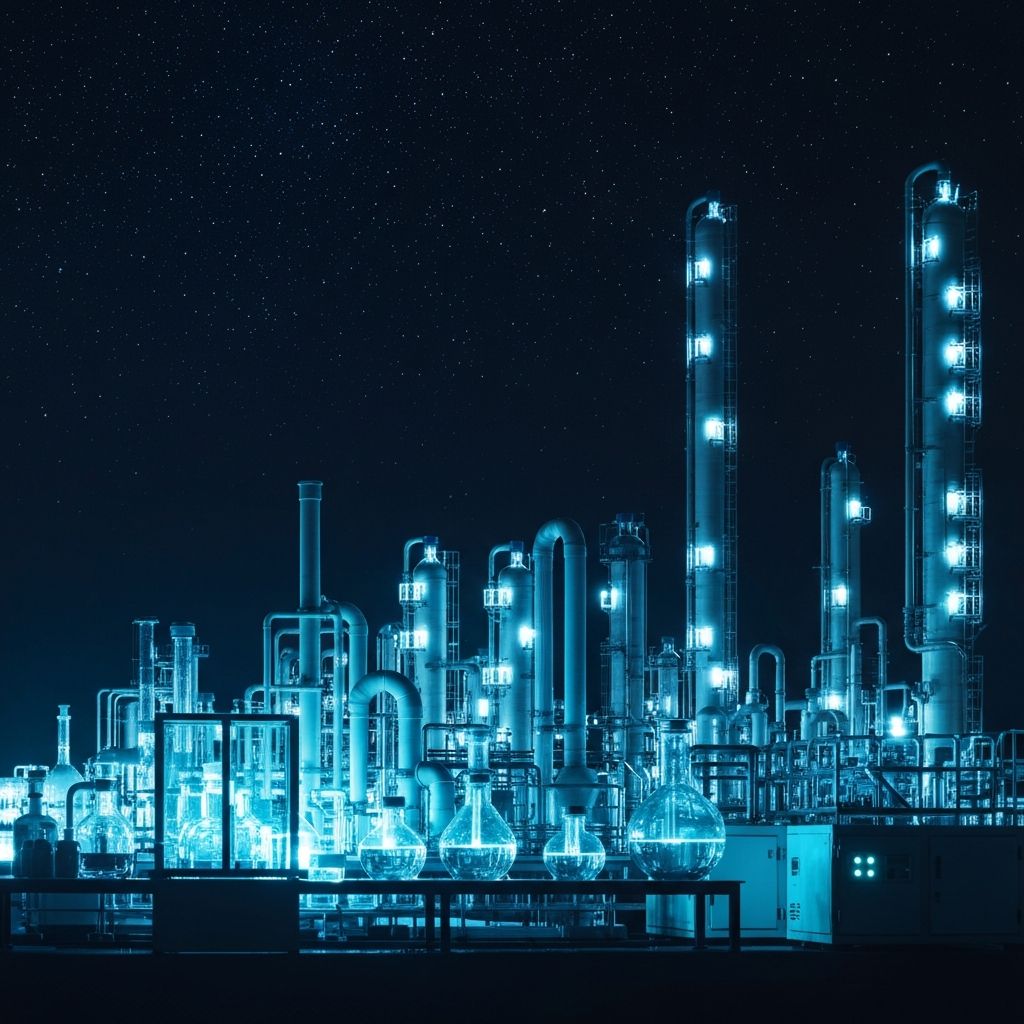
Thailand's Chemical Industry: A Strategic Pillar of the Economy
Thailand's chemical industry is one of the most significant in Southeast Asia, supporting a wide range of downstream sectors including automotive, electronics, packaging, agriculture, and consumer goods. Centered around the Eastern Seaboard, particularly in Map Ta Phut, the industry benefits from integrated petrochemical complexes, deep-water ports, and a skilled workforce. The sector contributes substantially to GDP, exports, and industrial development.
Thai chemical companies operate across the entire value chain, producing basic petrochemicals, intermediate chemicals, polymers, specialty chemicals, and advanced materials. Their products serve both domestic and export markets, making Thailand a vital node in regional and global chemical supply chains.
Leading Chemical Companies in Thailand
1. PTT Global Chemical Public Company Limited (PTTGC) is the country's largest petrochemical and chemical company. With integrated upstream and downstream operations, PTTGC produces a wide range of olefins, polymers, and specialty chemicals serving diverse industries.
2. Indorama Ventures Public Company Limited is a global leader in PET resins, fibers, and specialty chemicals. Headquartered in Bangkok, Indorama operates worldwide and is known for its commitment to sustainability and innovation.
3. SCG Chemicals Public Company Limited, a subsidiary of the Siam Cement Group, is a major producer of olefins, polyolefins, and downstream products. The company is recognized for its R&D capabilities and high-performance materials.
4. IRPC Public Company Limited operates an integrated petrochemical complex producing aromatics, olefins, and polymers. IRPC plays a key role in supplying critical chemicals to multiple Thai industries.
5. Thai Plastic and Chemicals Public Company Limited (TPC) is a leading producer of PVC resins and related products, serving construction, packaging, and infrastructure sectors throughout the region.
6. Bangkok Synthetics Company Limited manufactures synthetic rubber and elastomers used in automotive tires, industrial products, and consumer goods.
7. Thai Acrylic Fibre Company Limited, an Aditya Birla Group company, is a major producer of acrylic fibers used in textiles and home furnishings, with a focus on innovation and color expertise.
8. BASF (Thai) Limited, the local arm of the global chemical giant, produces a wide range of specialty chemicals, performance materials, and agricultural solutions for Thai and regional markets.
9. Vinythai Public Company Limited specializes in PVC and chlor-alkali products, supplying construction, healthcare, and consumer industries with quality materials.
10. Eastern Polymer Group Public Company Limited (EPG) produces ethylene-propylene-diene monomer (EPDM) rubber, automotive parts, and various specialty polymer products.
Innovation and Sustainability
Innovation is a major theme in Thailand's chemical industry. Companies are investing heavily in R&D to develop high-performance polymers, bio-based chemicals, and circular economy solutions. The shift toward sustainable products responds to global trends and customer demands for greener materials.
Sustainability initiatives include reducing greenhouse gas emissions, minimizing waste, recycling plastics, and developing biodegradable alternatives. Several leading Thai chemical companies have committed to net-zero targets and are participating in global initiatives such as the Alliance to End Plastic Waste and various circular economy partnerships.
Strategic Importance and Global Reach
The Thai chemical industry's strategic importance extends beyond economic contributions. It supports critical sectors such as healthcare, food packaging, infrastructure, and renewable energy. Many Thai companies have expanded internationally, with operations and partnerships across Asia, Europe, and the Americas.
Government policies, including those supporting bio-circular-green (BCG) economy, are providing additional momentum. Investments in R&D centers, biotechnology, and advanced material clusters are positioning Thailand as a destination for higher-value chemical production.
Future Outlook
The future of Thailand's chemical industry will be shaped by sustainability, digitalization, and innovation. The transition to bio-based chemicals, advanced recycling, and renewable feedstocks presents significant opportunities. Digital technologies are improving operational efficiency, safety, and product traceability.
The top chemical companies in Thailand are actively shaping this future. With strong technical capabilities, financial strength, and a commitment to responsible business practices, they are well-positioned to remain global leaders while contributing to Thailand's transition toward a more sustainable and knowledge-driven industrial economy.
