
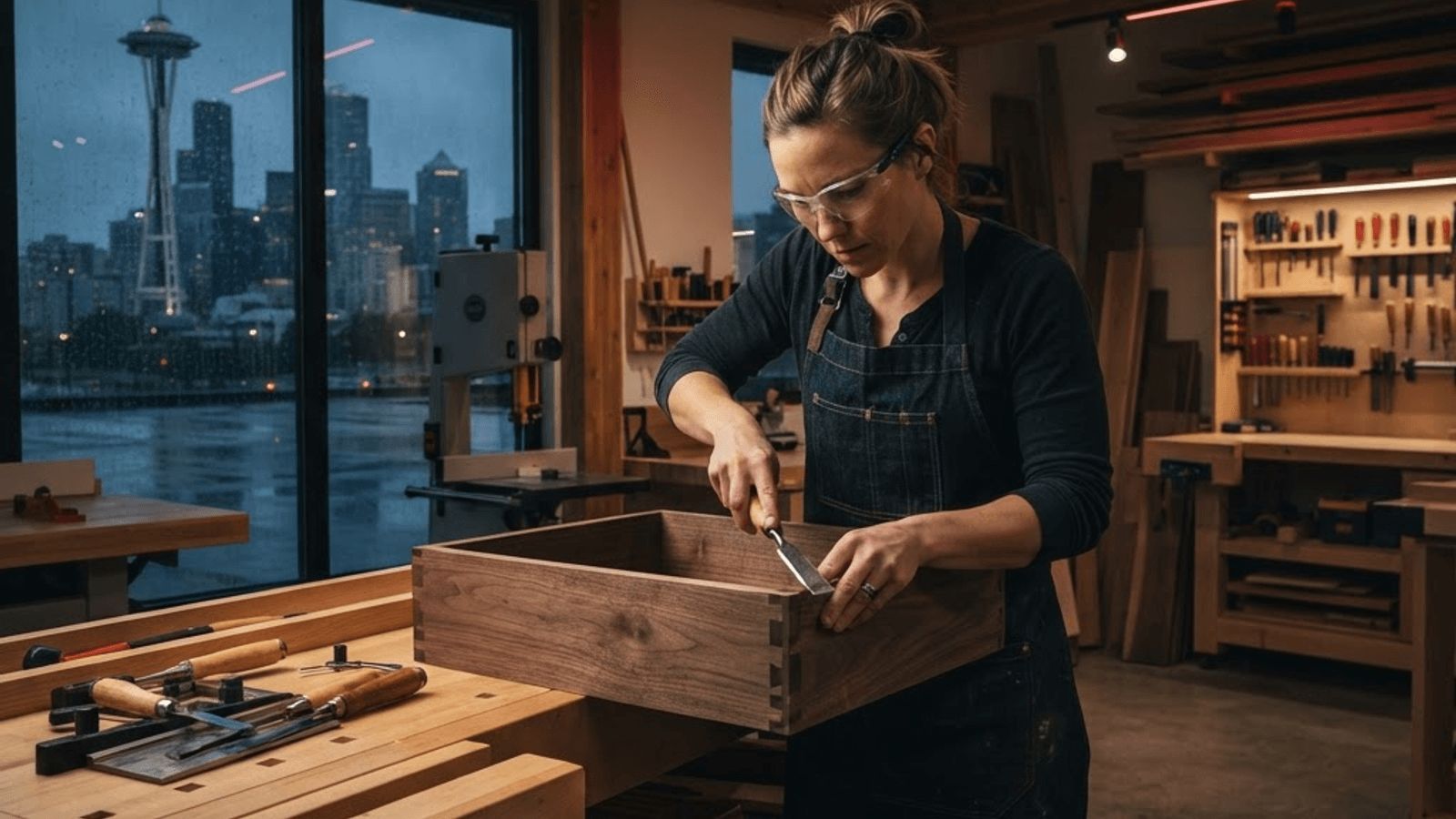
Why Carpentry Matters in Seattle Homes
Carpentry is one of the oldest and most essential building trades, and in a city like Seattle it carries special significance. The Pacific Northwest is defined by timber-rich architecture, character craftsman bungalows, and modern homes that lean heavily on wood as both a structural and aesthetic material. Because of the region's damp climate and seismic considerations, skilled carpentry is not simply a matter of appearance. Precise joinery, moisture-resistant detailing, and proper structural framing protect a home for decades. The best carpentry services in Seattle understand this balance between beauty and durability, and they treat every project as a long-term investment in the property.
What Sets Top Seattle Carpenters Apart
The leading carpentry firms in the area distinguish themselves through a combination of technical mastery and consistency. They employ licensed and insured tradespeople who understand local building codes, permitting requirements, and the engineering standards needed for earthquake-prone areas. Beyond compliance, the best providers demonstrate genuine attention to detail, whether they are hanging a door so it closes flush or fabricating a built-in bookcase that fits a room down to the millimeter. Reputation is another clear differentiator. Established companies build trust through referrals, repeat clients, and portfolios that show a wide range of finished work.
Common Carpentry Services Offered
Carpentry in Seattle spans a broad spectrum of specialties. Finish carpenters focus on the visible details that give a home its polish, including crown molding, wainscoting, trim, staircases, and custom cabinetry. Rough carpenters handle framing, subfloors, and structural elements that form the backbone of any renovation or new build. Many companies also offer deck construction, an especially popular service given the region's love of outdoor living despite the rain. Others specialize in restoration work, carefully preserving the historic woodwork found in Seattle's older neighborhoods while reinforcing it for modern use.
Industry Trends Shaping the Craft
The carpentry industry in Seattle is evolving alongside broader construction trends. Sustainability is a major driver, with more clients requesting responsibly sourced lumber, reclaimed wood, and low-emission finishes. Prefabrication and digital measurement tools are also gaining ground, allowing carpenters to fabricate components in controlled shop environments before installing them on site. This approach reduces waste and improves precision. At the same time, there is renewed appreciation for traditional handcraft, particularly for bespoke furniture and architectural millwork that mass production cannot replicate.
How to Choose the Right Carpentry Service
Selecting a carpenter should begin with a clear understanding of the scope of your project. For structural work, verify licensing, insurance, and experience with permitted jobs. For finish carpentry, ask to see examples of comparable work and pay attention to the crispness of joints and the quality of the finish. A trustworthy company will provide a detailed written estimate, communicate timelines honestly, and stand behind its workmanship. Reading through client feedback and speaking with past customers offers valuable insight into reliability and professionalism.
The Value of Skilled Craftsmanship
Investing in quality carpentry pays dividends over time. Well-executed woodwork not only enhances the daily experience of living in a home but also strengthens its resale appeal. In a competitive housing market like Seattle, thoughtful custom features and durable construction can meaningfully increase a property's value. Ultimately, the best carpentry services combine reliability, artistry, and integrity, delivering results that homeowners can appreciate for years. Whether you are undertaking a full renovation or a single custom built-in, choosing an experienced local carpenter ensures the work is done right the first time.
How We Evaluated Seattle Providers
A useful shortlist should reflect more than advertising visibility. We considered the factors Seattle customers consistently value: relevant experience, appropriate licensing and insurance, transparent estimates, dependable scheduling, thoughtful communication, and a record of standing behind completed work. Local knowledge also carries real weight. Providers familiar with Seattle understand neighborhood housing styles, seasonal weather patterns, municipal requirements, access constraints, and the practical expectations of Pacific Northwest clients. Service breadth was considered alongside specialization, because the best choice is not always the largest operation; it is the business whose capabilities align most closely with the project at hand. Reputation should be assessed across a meaningful body of recent feedback rather than a handful of isolated comments. Homeowners should confirm current credentials and obtain project-specific terms directly, since teams, availability, pricing, and service areas can change.
Questions to Ask Before Booking
Before making a commitment, ask who will perform the work, what preparation is included, how changes are approved, and what warranty or follow-up support applies. Request a written scope that distinguishes labor, materials, optional services, and potential additional charges. For work that may require permits or inspections, clarify who manages those steps and how they affect scheduling. It is also helpful to discuss site protection, cleanup, arrival windows, and communication during the project. Comparing two or three detailed proposals usually reveals more than comparing headline prices alone. The strongest provider will respond with specific, understandable answers and will not pressure you into an immediate decision. A careful selection process helps Seattle homeowners secure better results, fewer surprises, and a service relationship built on clear expectations from the start.
