
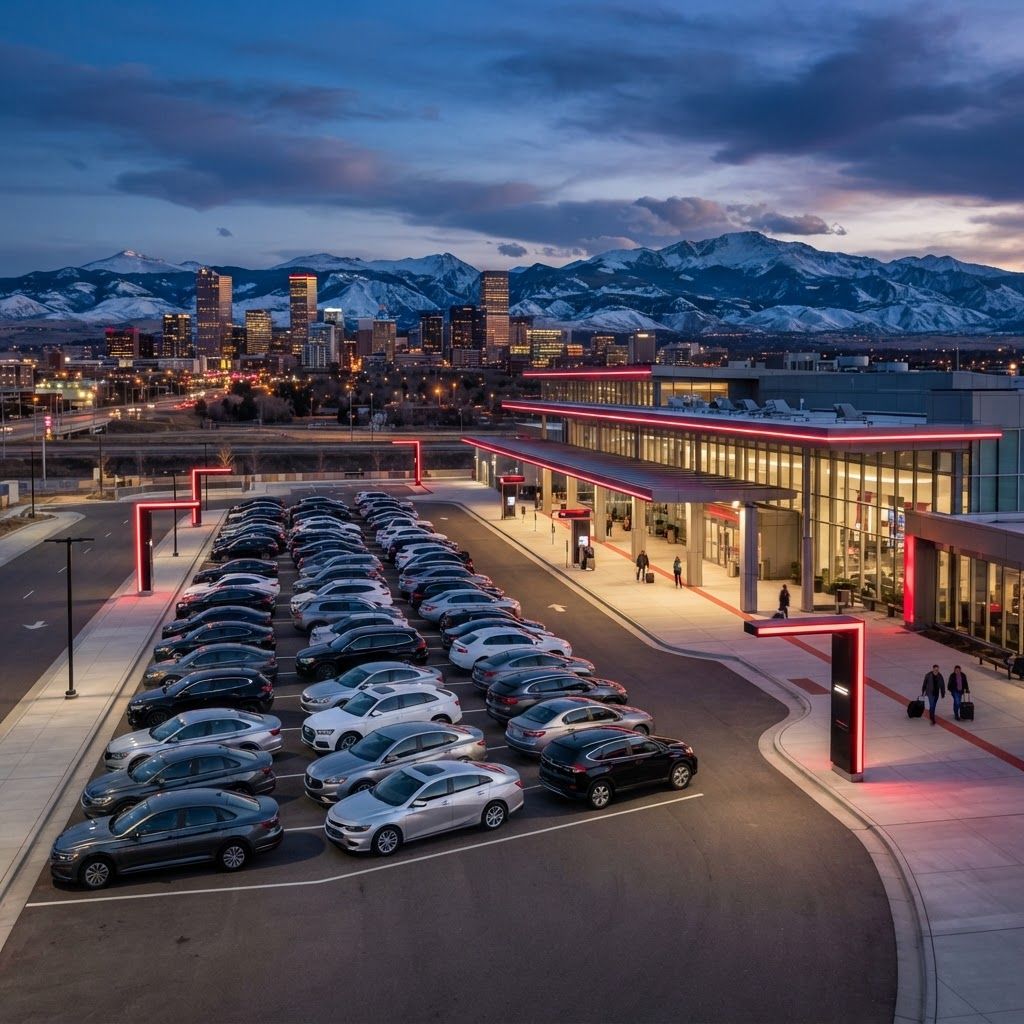
Why a Rental Car Matters in Denver
Few cities reward car travel quite like Denver, where a rental vehicle is often the key that unlocks the full Colorado experience. While the city itself offers respectable public transit and a walkable downtown core, the true magic lies beyond the urban limits, in the mountain passes, national parks, and alpine towns that surround the metro area. A dependable rental car allows travelers to venture from the plains to the peaks on their own schedule, whether they are chasing powder at a ski resort, exploring Rocky Mountain National Park, or simply enjoying a scenic drive along the Peak to Peak Highway. Because of this, Denver has cultivated a competitive and mature car rental market that caters to every type of traveler.
The Major National Providers
The most recognizable names dominate Denver International Airport, and for good reason. Enterprise Rent-A-Car is consistently praised for its wide vehicle selection, customer-first service, and convenient locations both at the airport and throughout the metro area. Hertz remains a strong contender, particularly for business travelers who value its loyalty program and premium fleet options. Avis and its sister brand Budget offer a reliable middle ground, balancing competitive pricing with dependable vehicles suited to both city driving and mountain excursions. National Car Rental appeals to frequent travelers with its Emerald Aisle program, which allows members to skip the counter and choose their own vehicle for a faster, more streamlined pickup.
Specialty and Adventure-Ready Fleets
Denver's proximity to rugged terrain has given rise to rental options that go beyond standard sedans. Companies such as Alamo Rent A Car cater to families and leisure travelers with spacious SUVs and crossovers ideal for hauling ski gear or camping equipment. For those planning serious backcountry adventures, specialized outfitters in the region offer four-wheel-drive vehicles, rooftop tents, and off-road-capable rigs designed to handle Colorado's unpaved trails and high-altitude conditions. This niche has grown significantly as more travelers seek immersive outdoor experiences, and the availability of adventure-ready vehicles is one of the features that distinguishes Denver's rental market from those of many other cities.
Value, Convenience, and Local Options
Beyond the national giants, budget-focused travelers can find excellent deals with providers like Thrifty Car Rental and Dollar Rent A Car, both of which offer no-frills pricing without sacrificing reliability. Sixt has also expanded its Denver presence, drawing attention with a modern fleet that includes upscale European models at surprisingly accessible rates. Many of these companies operate shuttle services from the airport to nearby rental facilities, and savvy travelers often compare off-airport locations, which can offer lower rates by avoiding certain airport concession fees. Understanding these distinctions can lead to meaningful savings, especially for longer rental periods.
Making the Smart Choice for Your Trip
Selecting the right car rental company in Denver depends on the nature of the journey ahead. Travelers heading into the mountains during winter should prioritize all-wheel-drive vehicles and confirm that tires meet Colorado's traction requirements, while summer visitors may find a fuel-efficient compact perfectly adequate for city and highway driving. Booking in advance almost always yields better rates, particularly during peak ski season and summer tourism months. With a strong roster of national brands, specialty outfitters, and value-driven providers, Denver ensures that every traveler can find a rental partner suited to their needs, making the open roads of Colorado accessible and enjoyable from the moment they land.
Practical Tips for Comparing Denver Options
Before making a final choice, readers should define their priorities and compare providers on more than price alone. Availability can change quickly in Denver during summer holidays, major conventions, sporting events, and the winter mountain season, so planning ahead is valuable. A low advertised rate may not include every fee, optional upgrade, or seasonal surcharge. Asking for a clear summary of what is included helps prevent surprises and makes side-by-side comparisons more meaningful. Customers should also consider cancellation terms, operating hours, accessibility needs, and how easily the provider can respond when plans change.
Recent customer feedback can reveal useful patterns, particularly when several reviewers mention the same strength or concern. However, a single review rarely tells the whole story. Look instead for consistent comments about professionalism, cleanliness, communication, punctuality, condition of facilities or equipment, and the way problems are resolved. Established names can offer broad resources and standardized processes, while smaller Denver businesses may provide more flexible, personal service and deeper neighborhood knowledge. Neither model is automatically better; the right fit depends on the complexity of the trip or project and the level of support required.
Denver's altitude, fast-changing weather, busy airport, and proximity to mountain corridors can all affect scheduling. Visitors arriving from lower elevations may benefit from building extra time into their first day, while anyone traveling west should account for traffic and winter road conditions. Confirming arrangements shortly before arrival is a simple precaution. It is also sensible to keep essential documents and reservation details readily available. By combining careful research with realistic expectations, readers can choose confidently and get more value from the city's strongest options. The best provider is ultimately the one that delivers dependable service, communicates clearly, and aligns closely with the customer's individual priorities.
