
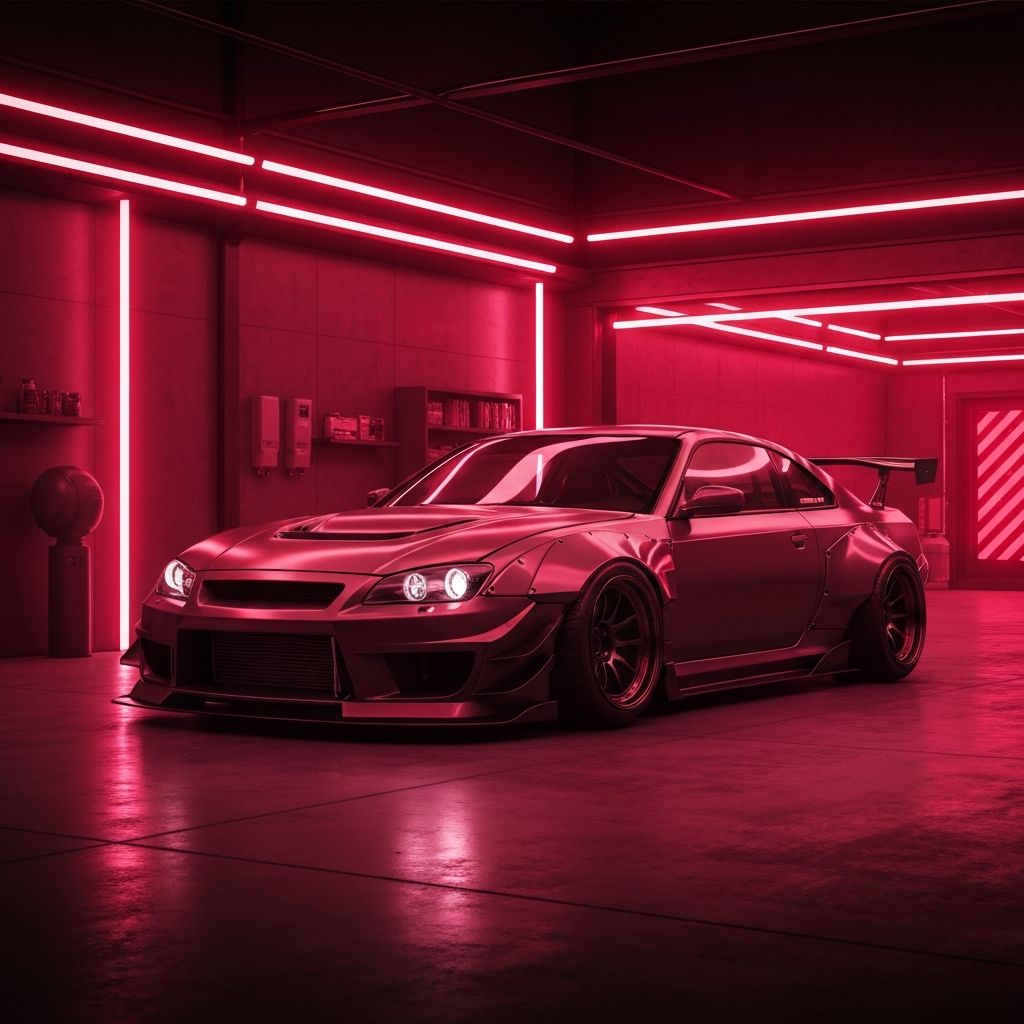
Japan's Iconic Car Customization Culture
Japan is widely regarded as one of the most influential countries in the global car customization scene. From the legendary tuner culture of the 1990s to the modern era of bespoke builds, Japanese customization shops have shaped trends that resonate worldwide. Whether it's drift-ready setups, JDM-inspired aesthetics, or cutting-edge performance upgrades, these workshops produce some of the most impressive vehicles on the planet.
This article showcases the top car customization shops in Japan, each with its own specialty and signature style.
1. HKS
HKS is a legendary name in the world of performance tuning. Based in Shizuoka, the company produces turbochargers, exhaust systems, engine management units, and other high-performance components. Their facility also offers custom installation and tuning services for enthusiasts seeking maximum performance.
2. Spoon Sports
Spoon Sports specializes in Honda performance modifications. Known for their iconic yellow and blue color scheme, Spoon Sports vehicles are highly sought after by Honda enthusiasts worldwide. The company offers a complete range of parts, services, and even fully built race cars.
3. Mine's Motor Sport
Mine's is famous for its work on Nissan Skyline GT-R models. Their meticulous attention to detail and emphasis on balanced performance have earned them a near-mythical status among GT-R enthusiasts. Mine's-tuned vehicles regularly set benchmarks for naturally tuned performance.
4. Top Secret
Founded by tuning legend Smokey Nagata, Top Secret is renowned for building some of the fastest and most outrageous street and race cars in Japan. Their work spans across various platforms, with a particular focus on Toyota Supras and Nissan GT-Rs.
5. Liberty Walk
Liberty Walk is famous worldwide for its bold, aggressive body kits for supercars and exotic vehicles. Their wide-body conversions for Lamborghinis, Ferraris, and Porsches have become cultural icons in the automotive customization scene.
6. Rocket Bunny / Pandem
Designed by Kei Miura, Rocket Bunny and Pandem body kits are known for their distinctive, race-inspired aesthetics. The brand has become synonymous with the modern Japanese tuning style, particularly for popular models like the Toyota 86 and Nissan 240SX.
7. RWB (RAUH-Welt Begriff)
RWB, founded by Akira Nakai, specializes in custom-built Porsche 911s with unique wide-body fitments. Each RWB build is one-of-a-kind, with Nakai himself often traveling worldwide to personally install the kits on customer vehicles.
8. TRD (Toyota Racing Development)
TRD is Toyota's in-house performance division, offering factory-backed upgrades and accessories for Toyota and Lexus vehicles. From performance parts to aerodynamic enhancements, TRD components combine quality, reliability, and performance.
9. Nismo
Nismo, Nissan's motorsport and tuning arm, produces high-performance parts and complete vehicles for enthusiasts. Their Nismo-tuned models, particularly the GT-R Nismo, are celebrated for their track-ready performance and aggressive styling.
10. Mugen
Mugen specializes in Honda performance and aesthetic upgrades. Known for their high-quality parts and motorsport heritage, Mugen products are popular among Honda owners seeking factory-grade enhancements with a sporty edge.
Categories of Customization in Japan
Car customization in Japan spans several distinct styles. Performance tuning focuses on engine upgrades, suspension modifications, and aerodynamic improvements. Aesthetic customization includes body kits, paint jobs, and interior upgrades. Drift builds emphasize handling characteristics, while VIP styling caters to luxury sedans with lowered suspensions and elegant interiors. Each style has its own dedicated community and specialized shops.
Quality and Craftsmanship
Japanese customization shops are known for their meticulous attention to detail and craftsmanship. Many builders treat each project as a work of art, ensuring that every modification is executed flawlessly. The combination of engineering expertise, creativity, and respect for the vehicle's original design results in builds that are both beautiful and functional.
Trends in Japanese Car Customization
The customization scene continues to evolve with trends like electric vehicle modifications, retro-modern restomods, and increased integration of digital technologies. Shops are exploring how to maintain the spirit of traditional tuning while adapting to new vehicle technologies and changing regulations.
Choosing the Right Shop
When selecting a customization shop, consider factors such as specialization, reputation, portfolio of past work, and customer reviews. Many top shops have waiting lists for popular services, so planning ahead is essential. Communication is key, as successful customization projects require clear understanding of the customer's vision and the shop's capabilities.
Conclusion
Japan's car customization industry represents the perfect fusion of engineering, artistry, and passion. The shops featured here have shaped global automotive culture and continue to push the boundaries of what's possible. Whether you're seeking subtle performance enhancements or a complete transformation, these establishments offer the expertise and creativity to bring your automotive dreams to life.
