
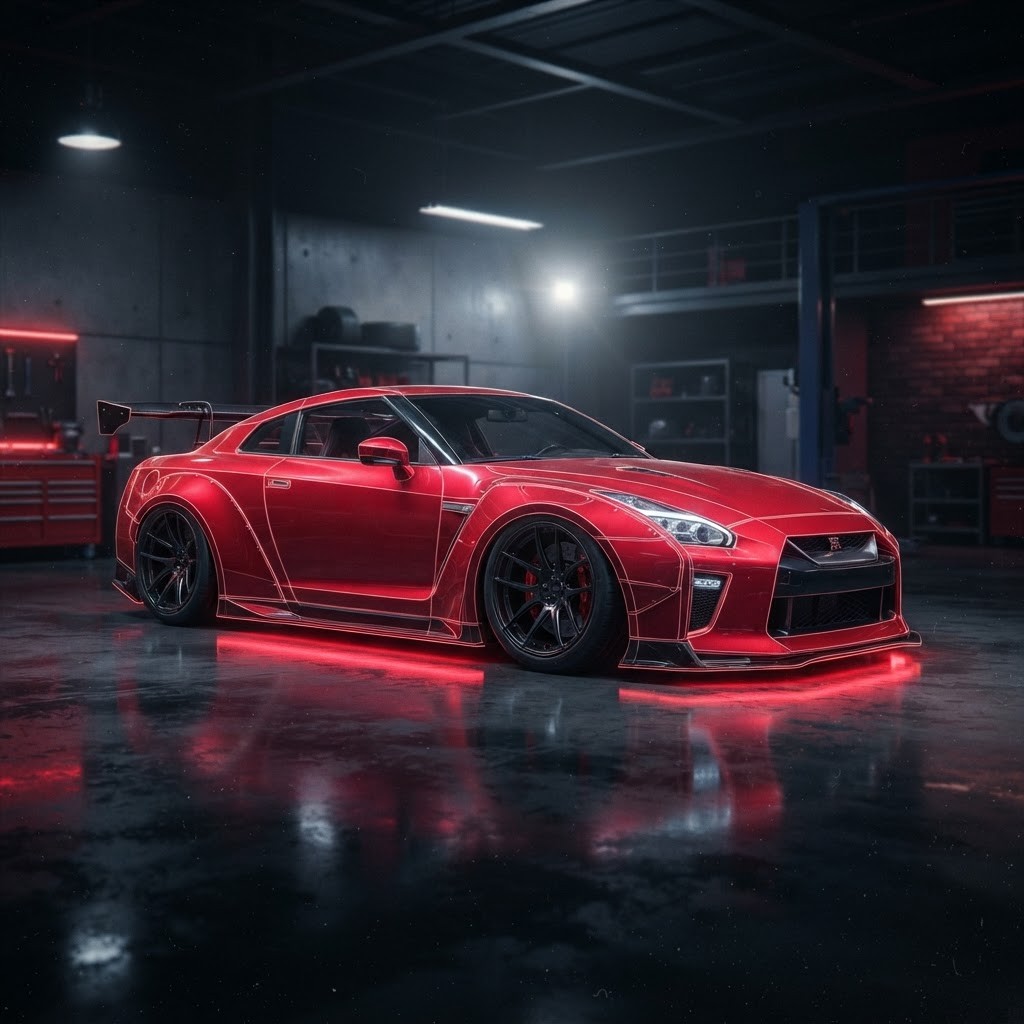
The Capital of Car Culture
Customization in Detroit is not a trend, it is a lineage. Generations of designers, fabricators, machinists, and painters have worked in and around the automotive industry, and many carried those skills into personal projects and independent shops. The result is a metro area with unusual depth in every customization discipline, from concours-level restoration to high-horsepower street builds, and an annual event calendar including the Woodward Dream Cruise that gives builders a reason to finish on schedule.
Whether the goal is a mild appearance upgrade or a full frame-off transformation, understanding the specialties involved is the first step to a successful project.
1. Performance Tuning and Engine Builders
Performance shops handle forced induction, camshaft and cylinder head work, fuel system upgrades, and engine management calibration on chassis dynamometers. Detroit shops are especially strong with domestic V8 platforms, where deep knowledge of pushrod architecture, supercharger packaging, and drivetrain limits produces reliable results. The best builders discuss supporting modifications before power targets, because a strong engine paired with inadequate cooling, fueling, brakes, or driveline components leads to failure.
2. Custom Fabrication and Metalwork Shops
Fabrication is the foundation of serious customization. These shops build roll cages, custom exhaust routing, intake plumbing, chassis reinforcement, one-off brackets, tubbed rear ends, and hand-formed body panels using English wheels, tube benders, and TIG welding. Fabrication skill is what separates a build that looks factory-integrated from one that looks assembled from a catalog. Detroit's manufacturing heritage means this talent pool is unusually deep.
3. Paint and Custom Bodywork Studios
Custom paint is the most visible investment in a build. Elite studios perform panel alignment and gap correction, extensive block sanding, multi-stage base and clear application, candy and pearl finishes, and hand-laid graphics, followed by wet sanding and machine polishing. Quality depends on preparation hours far more than on the color chosen. Expect a show-quality respray to involve weeks of labor before any color is sprayed.
4. Vinyl Wrap and Graphics Specialists
Wrapping has become the dominant appearance modification because it is reversible, protects factory paint, and offers finishes unavailable in paint, including satin, chrome, color-shift, and textured films. Skilled installers disassemble trim, use heat and tension control on complex curves, and wrap edges rather than trimming visibly. Commercial fleet graphics use the same techniques, and many Detroit shops serve both markets.
5. Wheel, Tire, and Suspension Shops
Stance and handling define a build's character. These shops fit aftermarket wheels with correct offset and load ratings, install coilovers, air suspension, lowering springs, sway bars, and bushings, and perform corner-balancing and custom alignment. In Michigan, suspension choices must account for road conditions, so experienced shops steer customers toward setups with usable travel rather than extreme drops that fail on the first pothole.
6. Audio and Electronics Installers
Mobile electronics remains a major segment. Installers handle component speaker systems, amplifiers, subwoofer enclosures built to volume specification, sound deadening, digital signal processing, and integration with factory infotainment. Advanced work includes custom fiberglass enclosures, A-pillar tweeter pods, and hidden equipment mounting. Electronics shops also install remote start, security systems, dash cameras, and lighting upgrades.
7. Upholstery and Interior Trim Shops
Interior specialists reupholster seats in leather, suede, and vinyl, build custom door panels and consoles, wrap dashboards, install headliners, and fit tailored carpet. For restorations, they reproduce original patterns, stitch counts, and materials to period-correct specification. For modern builds, they execute custom stitching patterns and material combinations that make an interior feel bespoke rather than aftermarket.
8. Classic Car Restoration Shops
Restoration is customization's most demanding discipline. A full rotisserie restoration involves complete disassembly, media blasting, rust repair and panel replacement, chassis refinishing, drivetrain rebuilding, rewiring, and reassembly with correct hardware. Detroit's restoration shops often specialize by era or marque, and the best maintain documentation of original build sheets and date codes so a finished car can be judged competitively.
9. Restomod Builders
Restomod builders combine vintage styling with modern mechanicals, installing contemporary crate engines, overdrive transmissions, independent front suspension, disc brakes, electric power steering, air conditioning, and modern electrical architecture inside a classic body. The result drives like a current vehicle while retaining period design. This has become one of the fastest-growing categories locally, appealing to owners who want to actually drive their classics rather than trailer them.
10. Truck, Jeep, and Off-Road Outfitters
Off-road outfitters serve a large Michigan market with lift kits, larger tires, regearing, lockers, armor, winches, auxiliary lighting, roof racks, and overland camping equipment. Michigan's trail systems and Upper Peninsula routes drive genuine capability demand, not just appearance. Reputable outfitters address drivetrain geometry, brake capacity, and speedometer calibration when fitting larger tires, which many budget installers skip.
Planning a Build That Actually Finishes
Define the vehicle's purpose first. A weekend cruiser, a track car, a daily driver with upgrades, and a show vehicle require different compromises, and trying to satisfy all four produces a car that excels at none. Write down the intended use, then evaluate every modification against it.
Sequence work correctly. Structural and fabrication work precedes paint, mechanical assembly precedes interior, and electronics wiring should be planned before panels are finalized. Reordering these steps means repeating labor, which is the most common cause of budget overruns.
Budgeting Realistically
Custom work is labor-dominant. Parts costs are predictable, but hours spent on fitment, alignment, and finishing are where estimates expand. A reasonable practice is to hold a contingency of twenty to thirty percent above the initial quote, because disassembly regularly reveals hidden rust, prior repairs, or seized hardware.
Ask for staged billing tied to milestones, request photo documentation during the build, and insist on written change orders. The best shops welcome this structure because it protects them as much as the customer.
Keeping Modifications Reliable
Reliability comes from matching components. A power increase requires proportional attention to cooling capacity, fuel delivery, ignition, transmission strength, axles, brakes, and tires. Calibration on a dynamometer with conservative timing and appropriate fuel targets extends engine life. For street-driven cars in Michigan, choosing setups that tolerate cold starts, salt exposure, and rough pavement matters more than peak numbers.
Final Thoughts
Detroit offers access to craftsmanship that is genuinely rare, but the outcome depends on choosing the right specialist for each discipline and defining the build clearly before work begins. Visit shops, inspect completed projects in person, talk to previous customers, and prioritize fabrication and preparation quality over flashy parts. Done properly, a custom build in the Motor City becomes a lasting piece of the city's ongoing car culture.
