
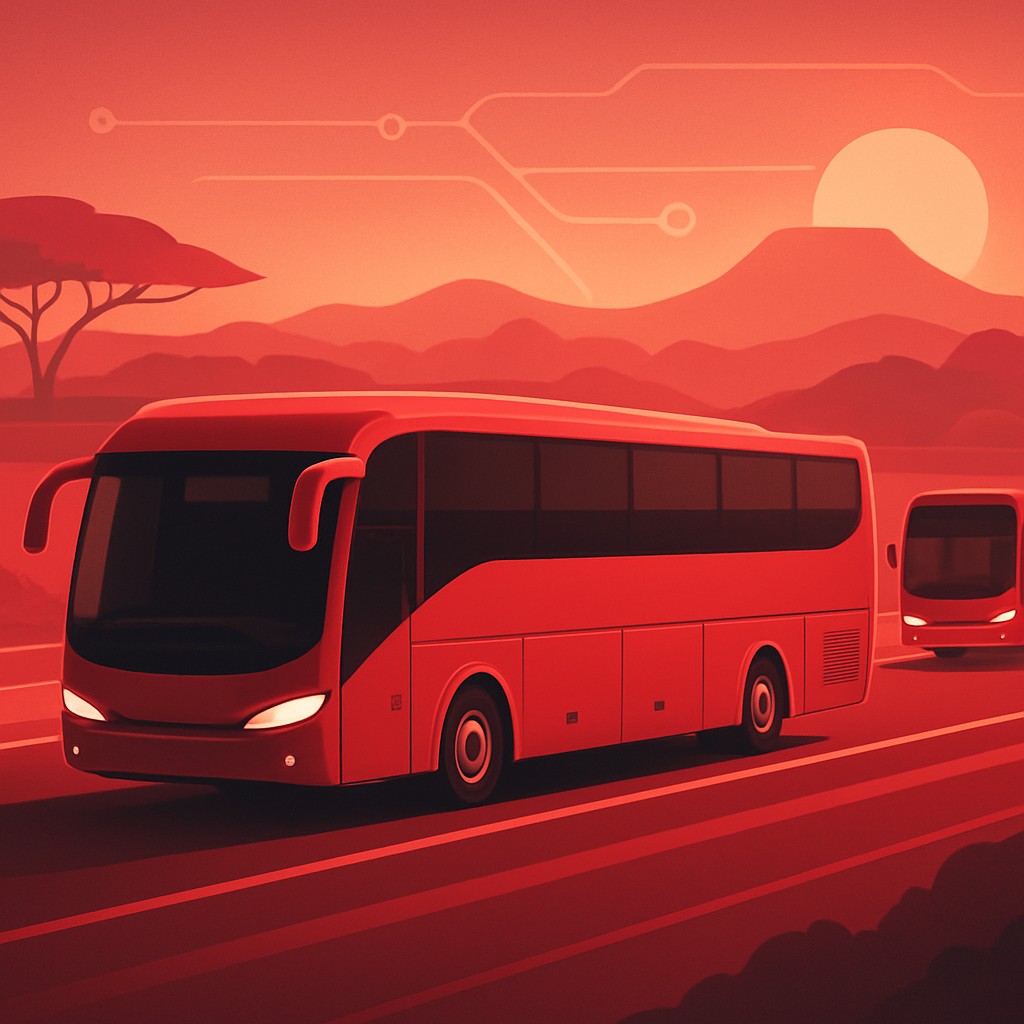
Bus Travel: The Backbone of Zimbabwean Mobility
Bus companies occupy a central place in Zimbabwe's transport landscape, providing affordable and accessible travel between cities, towns, and rural communities. For millions of Zimbabweans, intercity coaches are the primary means of covering long distances, whether for work, family visits, commerce, or tourism. The extensive route networks operated by these companies knit the country together and support both economic activity and social connection.
The sector serves a remarkably diverse clientele. Daily commuters, cross-border traders, students returning home, and tourists exploring Zimbabwe's attractions all rely on bus services. This broad demand has fostered a competitive market in which operators continually refine their offerings to attract and retain passengers.
Comfort and Service Standards
Modern bus travel in Zimbabwe has moved well beyond basic transport. Leading companies now emphasise passenger comfort with reclining seats, climate control, onboard entertainment, and refreshments on premium routes. These enhancements reflect rising expectations and a recognition that comfort is a key differentiator in a crowded market.
Service quality extends to punctuality, cleanliness, and customer care. The most respected operators maintain reliable schedules, keep their coaches in excellent condition, and train staff to assist passengers professionally. Such consistency builds loyalty and reinforces a company's standing among regular travellers.
Safety on the Roads
Safety is a defining concern for Zimbabwe's bus industry, given the long distances and varied road conditions involved. Reputable companies invest in well-maintained fleets, employ experienced and licensed drivers, and enforce policies around rest periods and speed management. Regular vehicle inspections and adherence to roadworthiness standards underpin their commitment to passenger protection.
Many operators have also adopted technology to enhance safety, including vehicle tracking and monitoring systems that help manage driver behaviour and route efficiency. These measures reassure passengers and demonstrate a serious approach to responsible operation, which is increasingly valued across the sector.
Route Networks and Connectivity
The strength of a bus company often lies in the breadth and reliability of its route network. Leading operators connect major cities such as Harare, Bulawayo, Mutare, and Gweru while also serving smaller towns that depend heavily on bus links. Cross-border routes to neighbouring countries further extend their reach, supporting regional trade and travel.
Frequency and timing matter greatly to passengers. Companies that offer multiple daily departures and convenient scheduling provide flexibility that travellers appreciate. Strategic terminal locations and clear booking systems add to the overall convenience, making journey planning straightforward and stress-free.
Trends Transforming the Industry
The Zimbabwean bus sector is embracing change. Online and mobile ticketing has begun to replace traditional in-person purchases, allowing passengers to reserve seats and pay digitally. This shift improves convenience and helps operators manage capacity more effectively.
There is also growing attention to fleet modernisation, with companies investing in newer, more fuel-efficient coaches that offer improved comfort and reliability. As competition intensifies, differentiation through service quality, amenities, and brand reputation has become increasingly important, driving continuous improvement across the industry.
Choosing a Reliable Bus Company
Selecting the right bus company involves balancing several considerations. Safety record, fleet condition, punctuality, and comfort all influence the travel experience. Fares remain an important factor for many passengers, but value, defined as the combination of price and quality, often matters more than cost alone.
Customer feedback and reputation provide valuable guidance. Companies known for dependable service and good treatment of passengers tend to enjoy strong loyalty. Comparing routes, schedules, and amenities helps travellers identify the operator best suited to their specific journey and preferences.
Conclusion
Bus companies are an essential pillar of Zimbabwe's transport system, delivering affordable, far-reaching connectivity for people across the country. As operators upgrade fleets, adopt digital ticketing, and raise comfort and safety standards, the passenger experience continues to improve. For long-distance travel that combines value, reliability, and reach, Zimbabwe's leading bus companies remain a dependable choice for the journey ahead.
