
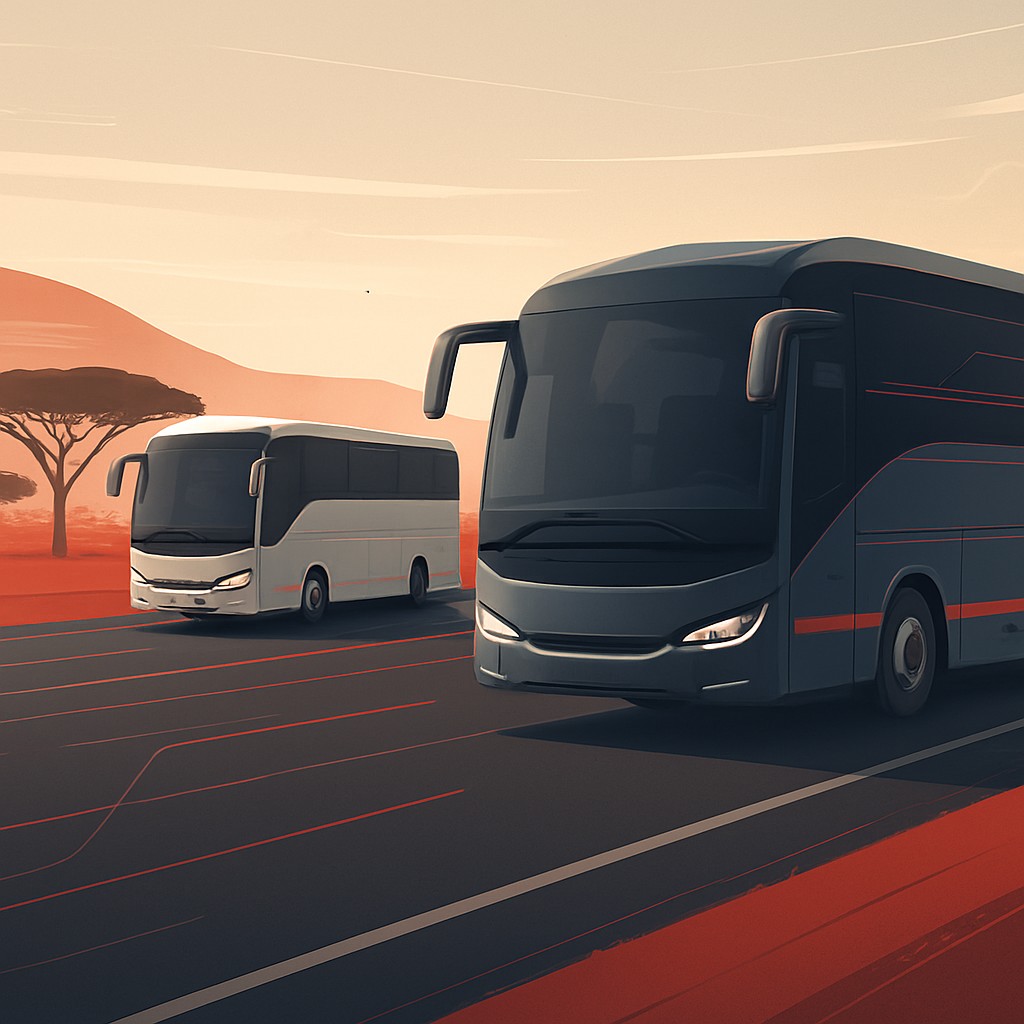
The Backbone of Zambian Travel
For millions of Zambians, intercity buses are the most practical and affordable way to travel between major centres such as Lusaka, Ndola, Kitwe, Livingstone, and Chipata. With a road network stretching across more than 750,000 square kilometres, the bus industry plays a critical role in linking people to jobs, family, markets, and essential services. Over the past decade, the sector has matured significantly, with operators investing in newer fleets, improved safety standards, and online booking systems that make planning a journey far easier than before.
The best bus companies in Zambia distinguish themselves through punctuality, mechanical reliability, professional drivers, and clean, comfortable coaches. Passengers increasingly expect amenities such as reclining seats, air conditioning, onboard charging, and clear departure schedules. The following operators have built strong reputations by consistently meeting these expectations.
Leading Long-Distance Operators
Power Tools Bus Services is widely recognised as one of the most established names on Zambian highways, known for covering key routes between the Copperbelt and Lusaka with a focus on reliability. Shalom Bus Services has earned a loyal following for its disciplined timekeeping and well-maintained coaches, making it a popular choice for business travellers. Likewise, Mazhandu Family Bus Services has become almost synonymous with intercity travel in Zambia, operating an extensive route network and a large fleet that serves both urban hubs and smaller towns.
Other respected operators include Juldan Motors, which is praised for its modern luxury coaches and cross-border services into neighbouring countries, and Euro Africa, valued for comfortable seating and consistent service. Wamushi Investments and CR Holdings have also built solid reputations for serving routes that connect rural districts to major commercial centres, helping to keep remote communities integrated into the national economy.
What Sets the Best Apart
Safety is the single most important differentiator in Zambia's bus sector. Leading companies enforce strict speed monitoring, regular vehicle inspections, and driver rest policies to reduce the risk of accidents on long routes. Operators such as Likili Motors and Johabie Coaches have invested in trained personnel and maintenance schedules that prioritise passenger wellbeing over rushed turnaround times.
Comfort and convenience are equally important. The most competitive companies now offer reserved seating, designated luggage handling, and predictable departure times rather than waiting for buses to fill. This shift toward scheduled departures reflects a broader professionalisation of the industry, where customer experience is becoming a genuine point of competition rather than an afterthought.
Industry Trends Shaping the Future
Digital transformation is reshaping how Zambians book and pay for bus travel. Mobile money integration, SMS confirmations, and online seat selection have reduced the need to queue at terminals, particularly during busy holiday periods. Companies that embrace these tools are winning younger, tech-savvy passengers who value transparency and speed.
Sustainability and fleet modernisation are also emerging themes. As fuel costs fluctuate and environmental awareness grows, operators are gradually adopting more efficient vehicles and better route planning to control expenses and emissions. There is also growing demand for premium services, with some companies introducing executive classes that feature extra legroom, refreshments, and onboard entertainment.
Choosing the Right Bus Company
When selecting a bus operator in Zambia, travellers should weigh several factors: the company's safety record, the condition and age of its fleet, the reliability of its schedules, and the quality of its customer service. Routes matter too, since some operators specialise in Copperbelt corridors while others focus on the Eastern Province or cross-border connections to Tanzania, Zimbabwe, and beyond.
Ultimately, the strength of Zambia's bus industry lies in its diversity. Whether a traveller prioritises budget-friendly fares, luxury comfort, or access to remote destinations, there is an operator suited to the journey. The companies highlighted here represent the best of a sector that continues to evolve, offering safer, more comfortable, and more convenient travel for Zambians and visitors alike.
