
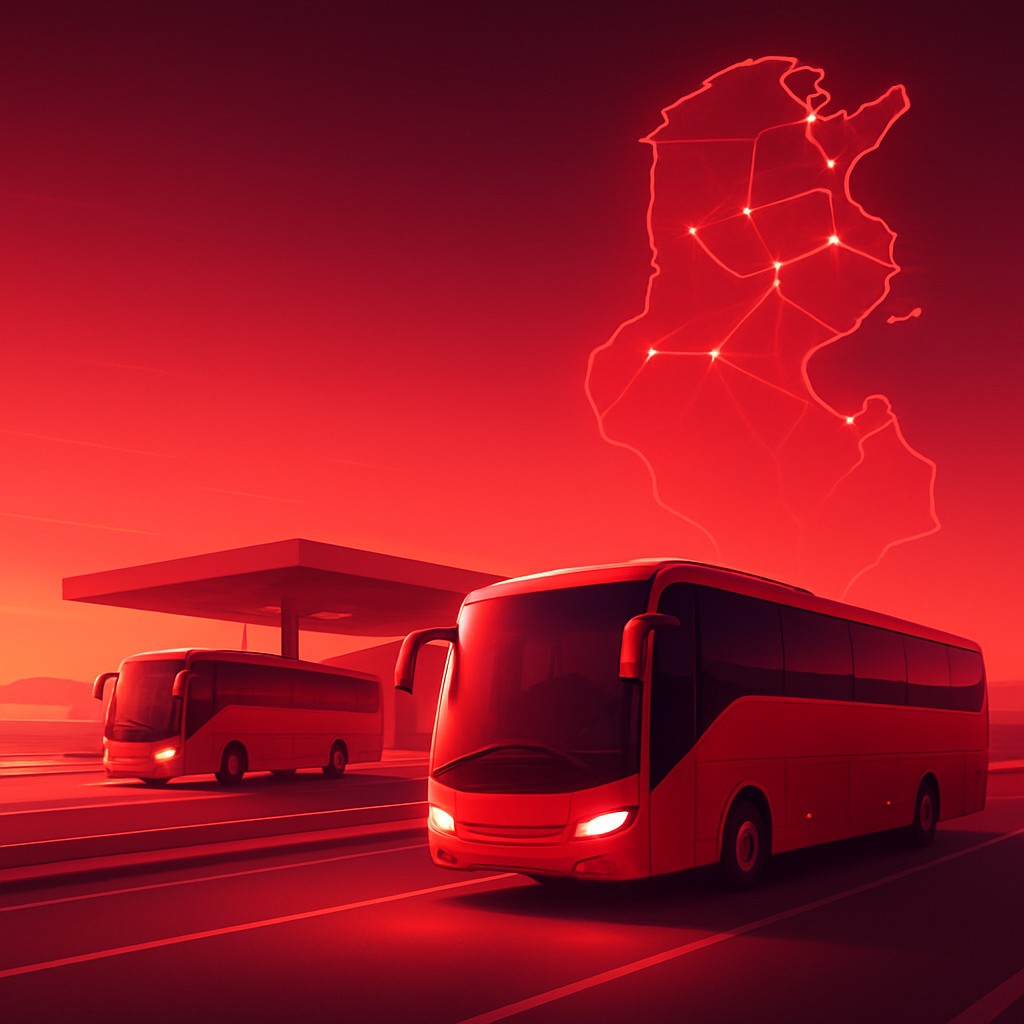
The Role of Buses in Tunisian Transport
Buses are a cornerstone of Tunisia's transport network, providing affordable and far-reaching connections between cities, towns, and rural communities. For both residents and travelers, buses offer an economical and practical way to journey across the country, linking the bustling capital of Tunis with coastal resorts, southern oases, and inland towns. The extensive network ensures that even smaller destinations remain accessible, making buses indispensable for everyday mobility and tourism alike.
The Tunisian bus system includes national operators that manage long-distance intercity routes as well as regional companies that serve specific governorates and local areas. Together, they form a comprehensive web of connections that complements the country's rail and shared-taxi systems, giving passengers flexible and budget-friendly options for nearly any journey.
What Defines a Quality Bus Service
The best bus companies in Tunisia are recognized for reliability, comfort, safety, and value. Punctual departures, well-maintained vehicles, and clear schedules are essential features that passengers depend on. Comfortable seating, air conditioning, and adequate space for luggage significantly enhance the travel experience, particularly on longer routes that may span several hours.
Safety is a critical consideration, and reputable operators prioritize properly maintained buses and experienced drivers. Affordability remains one of the greatest advantages of bus travel, and the leading companies strike a balance between low fares and dependable service. Convenient ticketing, whether through stations or increasingly through online platforms, also adds to passenger satisfaction.
Leading Bus Companies
SNTRI, the national intercity bus company, is the most prominent operator for long-distance travel, connecting Tunis with cities and towns across the entire country. It is widely trusted for its extensive network, regular schedules, and dependable service on major routes.
Transtu primarily serves the greater Tunis area, managing urban and suburban bus and light-rail services that millions of commuters rely on daily, making it central to mobility in the capital region.
SRT Sousse is a respected regional operator providing reliable connections within the Sousse governorate and surrounding areas, valued by both locals and visitors exploring the central coast.
SRT Sfax serves the Sfax region with consistent regional routes, supporting one of the country's most economically active areas.
SRT Gabes connects communities in the southeast, offering important links for travelers heading toward the southern regions and desert gateways.
Other notable regional operators include SRT Bizerte, serving the northern coastal region; SRT Nabeul, which covers the popular Cap Bon peninsula and resort areas; SRT Kairouan, providing access to the historic holy city and central regions; SRT Medenine, connecting the deep south including routes toward Djerba and the desert; and SRT Jendouba, serving the lush northwestern part of the country. Together, these regional companies ensure comprehensive coverage across Tunisia's diverse geography.
Tips for Traveling by Bus
To make the most of bus travel in Tunisia, passengers should arrive at stations early, especially for popular intercity routes that can fill quickly during peak periods. Purchasing tickets in advance for long-distance journeys is advisable, and travelers should confirm departure times and platforms, as schedules may vary. Keeping small change for fares and refreshments is convenient, and bringing water and snacks is recommended for longer trips.
For intercity travel, the national operator generally offers the most comfortable long-distance coaches, while regional companies provide efficient links within specific areas. Travelers exploring multiple regions can combine bus routes to create flexible and economical itineraries, reaching destinations that might otherwise be difficult to access.
The Evolving Bus Industry
Tunisia's bus sector continues to develop, with ongoing efforts to modernize fleets, improve comfort, and enhance the passenger experience. Investments in newer vehicles and better facilities reflect a broader commitment to strengthening public transport. As digital ticketing and information systems expand, booking and planning journeys is becoming increasingly convenient, further cementing the role of buses as a reliable and accessible mode of travel.
Comparing Buses with Other Transport Options
Buses occupy an important middle ground in Tunisia's transport ecosystem. Compared with trains, they often reach a wider array of towns and rural destinations, since the rail network, while valuable, does not cover every region. Compared with shared louages, buses generally offer more comfort, fixed schedules, and greater luggage capacity, making them preferable for longer journeys and families traveling with belongings.
For budget-conscious travelers, buses are typically more economical than private taxis or car rentals, especially over long distances. They also allow visitors to experience local life and scenery in a relaxed setting. While buses may take longer than driving on some routes, the combination of affordability, coverage, and comfort makes them an excellent choice for travelers prioritizing value and accessibility over speed.
Final Thoughts
Buses remain one of the most practical and affordable ways to explore Tunisia, offering extensive coverage and dependable service across the country. From the national intercity network to dedicated regional operators, travelers have a wealth of options for reaching cities, coastal towns, and remote destinations alike. By choosing reputable companies and planning ahead, passengers can enjoy comfortable, economical journeys that open up the full breadth of Tunisia's landscapes and communities.
