
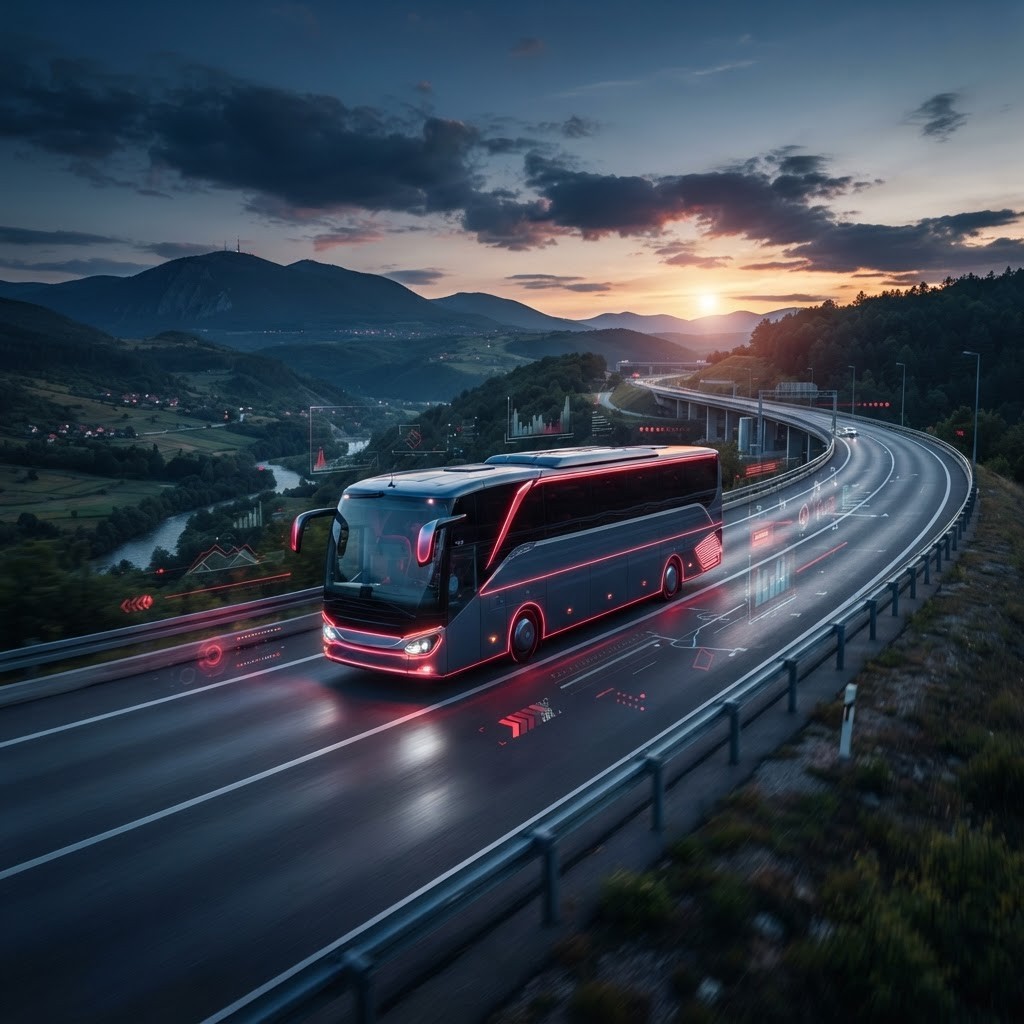
The Importance of Bus Travel in Serbia
Buses have long been the backbone of Serbia's transportation network, connecting cities, towns, and remote villages across the country. For both locals and travelers, intercity buses offer an affordable, extensive, and reliable means of getting around, often reaching destinations that rail services do not. From the capital of Belgrade to the northern city of Novi Sad and the southern hub of Niš, a dense web of routes ensures that virtually every corner of Serbia is accessible.
The affordability and frequency of bus services make them especially popular with budget travelers, students, and anyone seeking a practical alternative to driving. In recent years, improvements in fleet quality and booking systems have further enhanced the appeal of bus travel.
Major National Operators
Several established companies dominate Serbia's intercity bus network. Lasta, one of the country's oldest and largest operators, is renowned for its extensive route coverage and dependable schedules, serving both domestic destinations and international routes. Niš-Ekspres provides strong connectivity in the south and beyond, while Severtrans and Autoprevoz offer reliable services across the northern and western regions.
These operators have built their reputations on consistency and reach. Their comprehensive networks mean travelers can plan multi-stop journeys with confidence, knowing that regular departures link major towns throughout the day.
Comfort and Modern Fleets
Modern bus travel in Serbia is considerably more comfortable than in the past. Many leading companies have invested in updated fleets featuring air conditioning, comfortable seating, and amenities such as onboard Wi-Fi and charging ports on longer routes. These improvements have transformed the experience, making bus journeys a pleasant option even for extended trips.
Coaches used on premium and international routes often offer additional legroom and reclining seats, catering to passengers who prioritize comfort. This ongoing modernization reflects the industry's commitment to meeting rising traveler expectations.
International Connections
Serbia's bus network extends well beyond its borders, linking the country with neighboring nations and major European cities. Operators such as Lasta and various partner companies run regular services to destinations across the region, including routes to Bosnia and Herzegovina, Montenegro, North Macedonia, and further afield to Western Europe.
These international connections make buses a valuable option for travelers exploring the Balkans or journeying to and from other parts of Europe. The affordability of cross-border bus travel, combined with reasonable comfort, appeals to budget-conscious tourists and migrants alike.
Booking and Stations
Booking bus tickets in Serbia has become increasingly convenient. While tickets can still be purchased at bus stations, many operators now offer online booking, allowing travelers to reserve seats in advance and avoid queues. This is particularly useful during peak travel periods and holidays when popular routes fill quickly.
Belgrade's main bus station serves as a central hub, with frequent departures to destinations nationwide and internationally. Well-organized stations in Novi Sad, Niš, and other cities ensure smooth transfers and clear information for passengers navigating their journeys.
Advantages of Choosing the Bus
Bus travel offers several distinct advantages. Affordability is chief among them, with fares typically lower than other modes of long-distance transport. The extensive network reaches smaller towns and rural areas that may lack rail access, making buses indispensable for comprehensive exploration.
Frequency is another benefit, as major routes often feature multiple daily departures, providing flexibility for travelers. Additionally, the scenic nature of many Serbian bus routes allows passengers to enjoy the changing landscapes of plains, hills, and mountains as they travel.
Tips for a Smooth Journey
To make the most of bus travel in Serbia, passengers should arrive at stations a little early, especially for popular routes. Keeping some local currency handy is useful for station facilities and luggage fees, as some operators charge a small amount for stored baggage. Checking schedules in advance and, where possible, booking online helps secure preferred departure times.
For longer journeys, bringing water and snacks adds comfort, though many routes include rest stops. Confirming the departure platform and destination before boarding ensures a stress-free experience.
Conclusion
Buses remain an essential and dependable pillar of travel in Serbia, offering affordability, extensive coverage, and steadily improving comfort. With trusted operators such as Lasta, Niš-Ekspres, and Severtrans providing both domestic and international services, travelers can explore the country and beyond with ease. For anyone seeking a practical and economical way to experience Serbia, the bus network delivers reliable connectivity to nearly every destination.
