
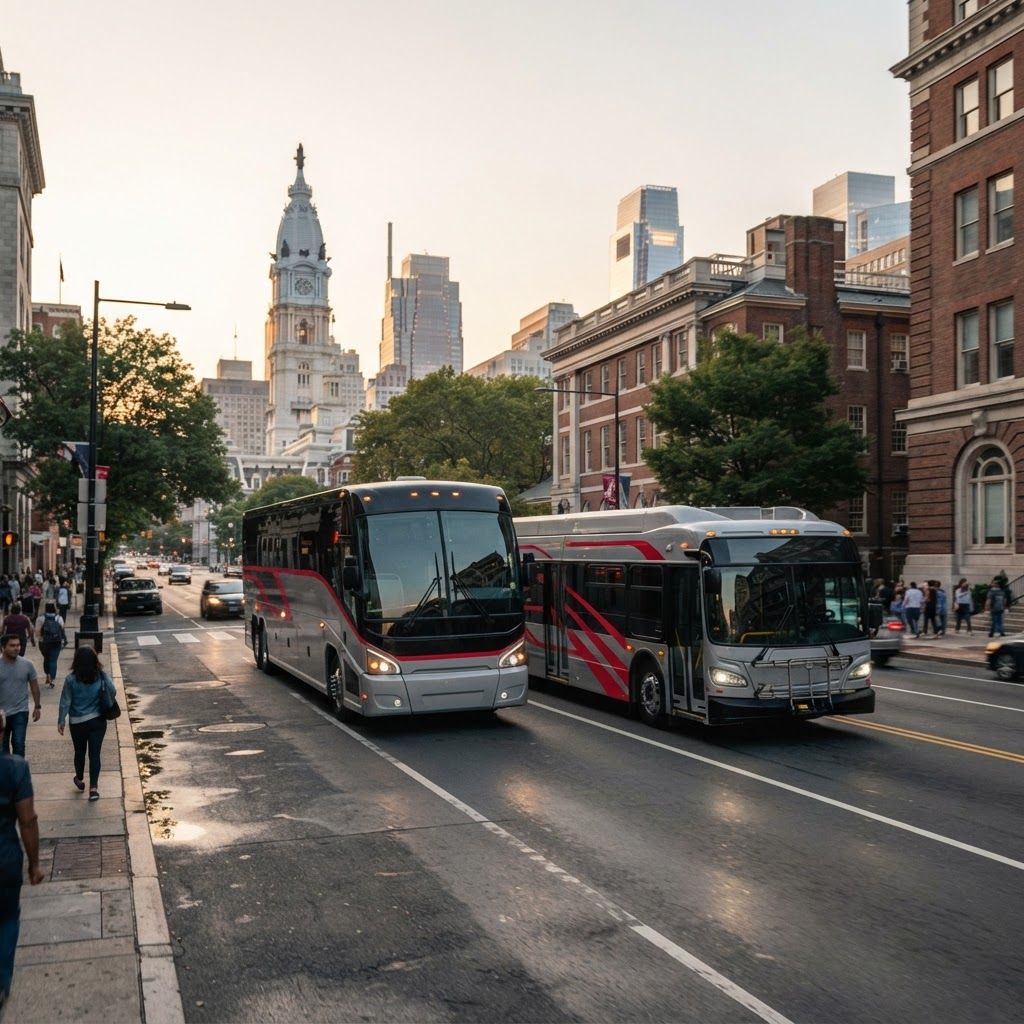
Finding the Right Bus Company in Philadelphia
Philadelphia is a major transportation hub where dense neighborhoods, universities, historic attractions, convention traffic, and easy access to the Northeast Corridor create demand for many kinds of bus service. The best provider depends on whether a rider needs an everyday city route, an affordable trip to another city, a private coach for a group, or a guided sightseeing experience. Fleet condition, schedule reliability, accessibility, driver professionalism, luggage policies, and customer support are useful points of comparison.
The companies below represent different parts of the market rather than a single interchangeable category. Some operate fixed routes, while others specialize in charter planning or tourism. Travelers should confirm current schedules, pickup locations, accessibility arrangements, and cancellation terms before booking, especially during major events or severe winter weather.
1. SEPTA
SEPTA is the backbone of bus transportation within Philadelphia and the surrounding counties. Its extensive network links residential districts with Center City, employment corridors, hospitals, schools, rail stations, and shopping areas. Frequent riders benefit from integrated fares across buses, trolleys, subways, and regional rail. SEPTA is especially practical for travelers who want broad geographic coverage without arranging a private vehicle. Real-time arrival information and ongoing fleet modernization have improved trip planning, although congestion can affect surface routes during peak periods.
2. Greyhound
Greyhound remains a familiar choice for intercity bus travel from Philadelphia. Its network is valuable for passengers heading to major East Coast destinations and connecting to cities farther away. Budget-conscious travelers often appreciate multiple fare levels and a large national route system. Modern coaches commonly provide reclining seats, climate control, onboard restrooms, and power access. The strongest differentiator is network reach, making Greyhound useful when a journey extends beyond the routes of smaller regional operators.
3. Peter Pan Bus Lines
Peter Pan Bus Lines has a strong presence in the Northeast and serves travelers moving between Philadelphia and important regional cities. The company is known for scheduled intercity transportation and convenient connections throughout its broader network. Passengers often choose Peter Pan for straightforward city-center travel that avoids airport procedures and downtown parking costs. Its established regional focus gives it practical knowledge of heavily traveled Northeast corridors.
4. Megabus
Megabus is recognized for value-oriented intercity service and an online-first booking model. It can be a compelling option for students, weekend visitors, and flexible travelers seeking economical transportation between Philadelphia and other large cities. Double-deck coaches on some routes offer substantial capacity, while reserved bookings simplify trip planning. Fares can vary considerably with demand, so early reservations are often beneficial.
5. FlixBus
FlixBus brings a technology-centered approach to intercity coach travel. Its platform emphasizes digital booking, schedule comparison, and mobile trip management. Philadelphia passengers can use the network for regional and longer-distance journeys, depending on current service patterns. The company generally partners with operating carriers, combining a broad consumer-facing system with local transportation expertise. It appeals to travelers who prioritize flexible search tools and competitive fares.
6. Martz Bus
Martz Bus has deep roots in Pennsylvania transportation and provides scheduled and charter services. Its regional experience is particularly relevant for trips connecting communities across Pennsylvania with major metropolitan destinations. The company also supports group travel, where vehicle selection and coordinated logistics matter. Organizations often value the ability to work with an established operator familiar with local highways, event venues, and regional travel patterns.
7. Starr Bus Charter and Tours
Starr specializes in motorcoach charters and planned tours for schools, clubs, corporate groups, and leisure travelers. Rather than focusing only on individual ticket sales, the company helps organizers coordinate vehicles, itineraries, and group requirements. Its premium motorcoach orientation makes it suitable for day trips, conferences, multiday tours, and educational travel. The combination of charter operations and tour planning differentiates Starr from fixed-route carriers.
8. Krapf Coaches
Krapf Coaches is a southeastern Pennsylvania operator with experience in charter transportation, school service, and regional mobility. For Philadelphia-area groups, its local roots can simplify planning for weddings, campus events, employee shuttles, and excursions. A varied operating background is helpful when a trip requires detailed timing, multiple pickup points, or special passenger considerations. Local familiarity is one of its clearest advantages.
9. Werner Coach
Werner Coach serves private groups that need motorcoach transportation for corporate functions, athletic travel, school outings, and social events. Charter customers generally look for clean vehicles, responsive coordination, and experienced drivers, and Werner positions its service around those needs. The company can be a practical choice for groups that want direct transportation without transfers or public-route limitations.
10. Philadelphia Trolley Works
Philadelphia Trolley Works combines transportation with sightseeing. Its vehicles are designed for visitors who want to explore major landmarks while learning about the city. This format is different from ordinary commuting or intercity travel because narration, attraction access, and visitor convenience are central to the experience. It is particularly relevant for first-time tourists and groups seeking an organized overview of historic Philadelphia.
How to Compare Philadelphia Bus Services
Start with the trip type and passenger count. Individual travelers should compare departure points, total journey time, baggage allowances, and fare restrictions. Group organizers should ask about vehicle capacity, insurance, accessibility, driver accommodations, overtime, and contingency plans. For local transit, consider transfer options and service frequency. For sightseeing, evaluate itinerary quality and how much flexibility is built into the day.
Philadelphia traffic can change quickly around Center City, stadium events, construction zones, and holiday weekends. Building extra time into an itinerary is sensible. The strongest provider is ultimately the one whose operating model matches the journey: SEPTA for broad local mobility, intercity carriers for scheduled regional travel, and charter specialists for coordinated private transportation.
