
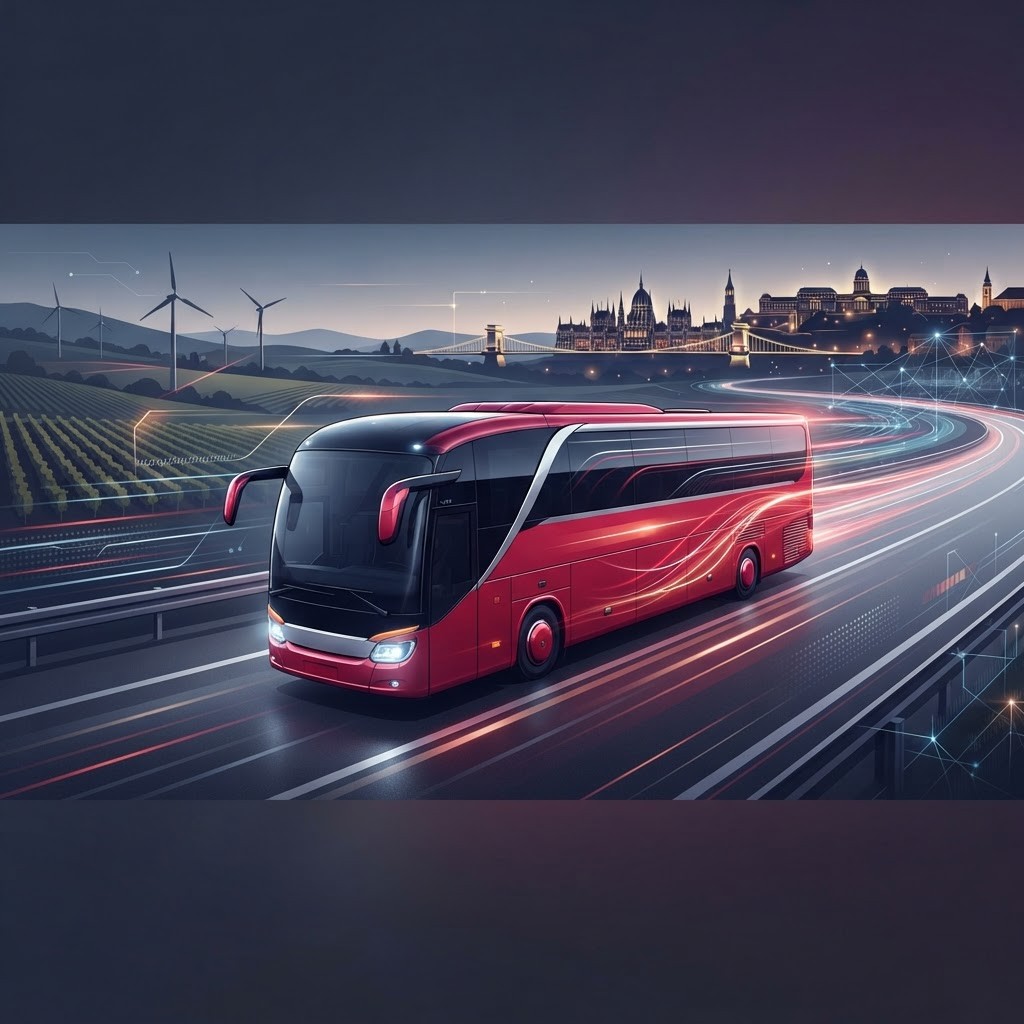
The Backbone of Hungarian Road Travel
Buses remain one of the most important pillars of mobility in Hungary, linking major hubs such as Budapest, Debrecen, Szeged, and Pécs with smaller towns that rail lines do not reach. For millions of commuters, students, and tourists, coach travel offers an affordable and dependable alternative to private cars. The country's central location within Europe also makes it a natural corridor for international coach routes, with operators connecting Hungarian cities to Vienna, Bratislava, and beyond.
The sector has evolved considerably over the past decade. Modern fleets now feature air conditioning, onboard Wi-Fi, USB charging, and reclining seats, transforming what was once a purely functional journey into a genuinely comfortable experience. As sustainability rises up the agenda, several operators are also introducing low-emission and electric vehicles to reduce their environmental footprint.
Leading Bus Companies to Know
Volánbusz is the dominant force in Hungarian coach transport, operating an extensive national network that reaches nearly every corner of the country. As the primary state-linked intercity operator, it is known for consistent timetables, broad regional coverage, and integration with other public transport modes.
FlixBus has become a familiar green presence at Hungarian bus stations, connecting the country to a vast international network. Travelers appreciate its transparent pricing, digital ticketing, and cross-border convenience for reaching destinations throughout Central and Western Europe.
RegioJet offers premium long-distance coach services with attentive onboard staff, complimentary refreshments, and a strong reputation for punctuality. Its focus on comfort has made it a favorite for travelers heading between Budapest and neighboring capitals.
Blaguss Hungary specializes in charter and tourism transport, providing well-maintained coaches for group travel, corporate events, and organized excursions. The company is respected for professional drivers and meticulously serviced vehicles.
Kőrös Volán and other regional Volán successors historically served specific counties with dense local networks, and their legacy continues within the consolidated national system, ensuring rural communities remain connected.
What Sets the Best Operators Apart
The strongest bus companies in Hungary distinguish themselves through reliability above all else. Passengers value operators that keep to their schedules, communicate clearly during delays, and maintain clean, comfortable vehicles. Digital innovation is another key differentiator, with mobile apps for booking, real-time tracking, and cashless payments now expected by younger travelers.
Safety records and driver professionalism also weigh heavily in a company's reputation. Leading firms invest in continuous training, vehicle inspections, and modern safety technology such as collision-avoidance systems. Customer service, including multilingual support for international passengers, further separates the best from the rest.
Industry Trends Shaping the Future
Electrification is arguably the most significant trend in Hungarian coach travel. Urban and regional operators are piloting electric buses to meet tightening emissions standards and respond to growing environmental awareness among passengers. Alongside this, digital ticketing and integrated mobility platforms are making it easier to combine bus, rail, and city transport into a single seamless journey.
Demand for intercity coach travel has also been buoyed by cost-conscious commuters and tourists seeking budget-friendly ways to explore Hungary's historic towns, thermal spas, and wine regions. Operators are responding with more frequent departures, flexible fares, and routes tailored to popular leisure destinations.
Choosing the Right Bus Company
When selecting a bus operator in Hungary, travelers should consider route coverage, departure frequency, and onboard amenities relative to their needs. For domestic regional travel, the national network offers unmatched reach, while international journeys may be better served by cross-border specialists. Comparing comfort levels, luggage policies, and cancellation flexibility helps ensure a smooth trip.
Ultimately, the best bus company is the one that aligns with a passenger's priorities, whether that is the lowest fare, the most comfortable ride, or the most convenient schedule. With a competitive and increasingly modern market, Hungarian travelers are well served by operators that continue to raise standards across the board.
Conclusion
Hungary's bus industry blends deep national coverage with growing international connectivity and a clear push toward greener, more digital travel. The companies highlighted here represent the reliability, comfort, and innovation that define the country's road transport sector. As electrification and smart mobility advance, bus travel in Hungary is set to remain a cornerstone of affordable and accessible transportation.
