
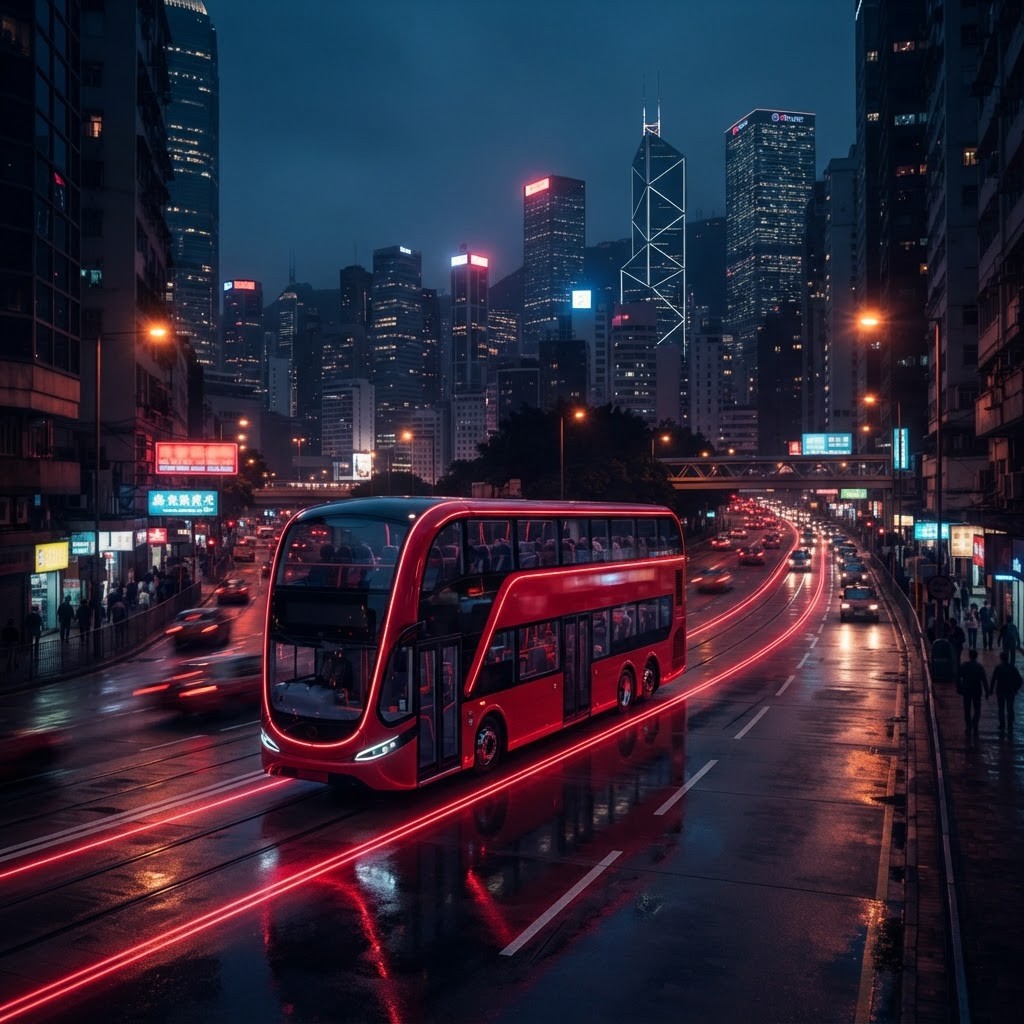
The Vital Role of Buses in Hong Kong
Buses are one of the most important and widely used forms of transport in Hong Kong, carrying millions of passengers every day across the territory. While the rail network serves major corridors, buses fill in the gaps, reaching neighborhoods, hillsides, and outlying areas that trains cannot. Their extensive coverage, affordability, and frequency make them indispensable for residents and a practical option for visitors seeking to explore beyond the tourist core.
Hong Kong's bus system is famous for its iconic double-decker vehicles, which offer scenic views of the city and countryside from the upper deck. The network includes large franchised operators running major routes, as well as smaller minibus services that provide flexible, localized transport. Understanding the strengths of each company helps travelers navigate the system efficiently.
Major Franchised Bus Operators
Kowloon Motor Bus (KMB) is the largest bus operator in Hong Kong and one of the biggest privately owned public transport companies in the world. Serving Kowloon and the New Territories with an enormous network of routes, KMB is known for its reliability, frequency, and extensive coverage, making it a cornerstone of daily commuting.
Citybus operates a wide range of routes across Hong Kong Island, Kowloon, and the airport, valued for its comfortable vehicles and important cross-harbour and airport connections. It plays a key role in linking major districts and transport hubs.
New World First Bus has long served Hong Kong Island and cross-harbour routes, earning a reputation for dependable service and good coverage of key residential and commercial areas.
Long Win Bus specializes in routes serving the airport and North Lantau, providing essential connections for travelers and residents in these areas with comfortable, purpose-built vehicles.
Specialized and Regional Services
New Lantao Bus is the primary operator on Lantau Island, connecting visitors and residents to attractions, villages, and beaches. Its knowledge of the island's terrain and routes makes it indispensable for exploring this scenic area.
Discovery Bay Transit Services provides dedicated transport for the Discovery Bay community, offering reliable connections to the ferry pier, airport, and surrounding areas for this distinctive residential enclave.
Park Island Transport serves the Ma Wan community, delivering essential shuttle services that link residents to key transport nodes with consistency and convenience.
Cross-Harbour Bus Services collectively play a crucial role in connecting Hong Kong Island, Kowloon, and the New Territories through the region's tunnels, easing travel across the harbour for countless commuters.
Minibus and Flexible Transport
Green Minibus Operators run scheduled routes with fixed fares and stops, offering a faster, more flexible complement to large buses. They are especially useful for reaching areas with narrow roads or lower demand.
Red Minibus Services provide even greater flexibility, with routes and stops that can adapt to passenger needs. While they require a bit more local knowledge to use, they offer speedy travel along popular corridors.
Trends Shaping the Bus Industry
The bus sector in Hong Kong is embracing modernization to improve efficiency, comfort, and sustainability. Operators are introducing greener vehicles, including electric and hybrid buses, as part of broader efforts to reduce emissions and improve air quality. Air-conditioned fleets and more comfortable seating have become standard on major routes.
Technology is also enhancing the passenger experience through real-time arrival information, mobile apps, and contactless payment systems. These innovations make the network more accessible and convenient, helping buses remain competitive and relevant in a fast-evolving transport landscape.
How to Make the Most of the Bus System
Using buses in Hong Kong is straightforward with a little preparation. A stored-value transit card makes payment seamless across operators, while route apps help plan journeys and track arrivals. Riding the upper deck of a double-decker offers some of the best free views in the city, particularly along scenic coastal and mountain routes.
For visitors, buses open up neighborhoods and attractions that lie beyond the rail network, from beaches to hilltop viewpoints. Understanding the difference between franchised buses and minibuses helps travelers choose the right option for each journey, balancing coverage, speed, and flexibility.
Fares on franchised buses are typically based on the length of the route and are among the most economical transport options in the city. Many routes also offer interchange discounts when transferring between services, rewarding passengers who plan connected journeys. During major festivals or special events, operators frequently add extra services and adjust routes, so checking schedules in advance ensures a smooth trip even during peak periods.
Final Thoughts
Buses are the backbone of Hong Kong's transport network, offering affordable, far-reaching, and often scenic travel across the entire territory. The operators highlighted here, from massive franchised companies to specialized regional and minibus services, together form a system that keeps the city moving. By understanding how each fits into the network, travelers can explore Hong Kong efficiently while enjoying the unique experience of riding its iconic buses.
