
The Rise of Bus Travel in Germany
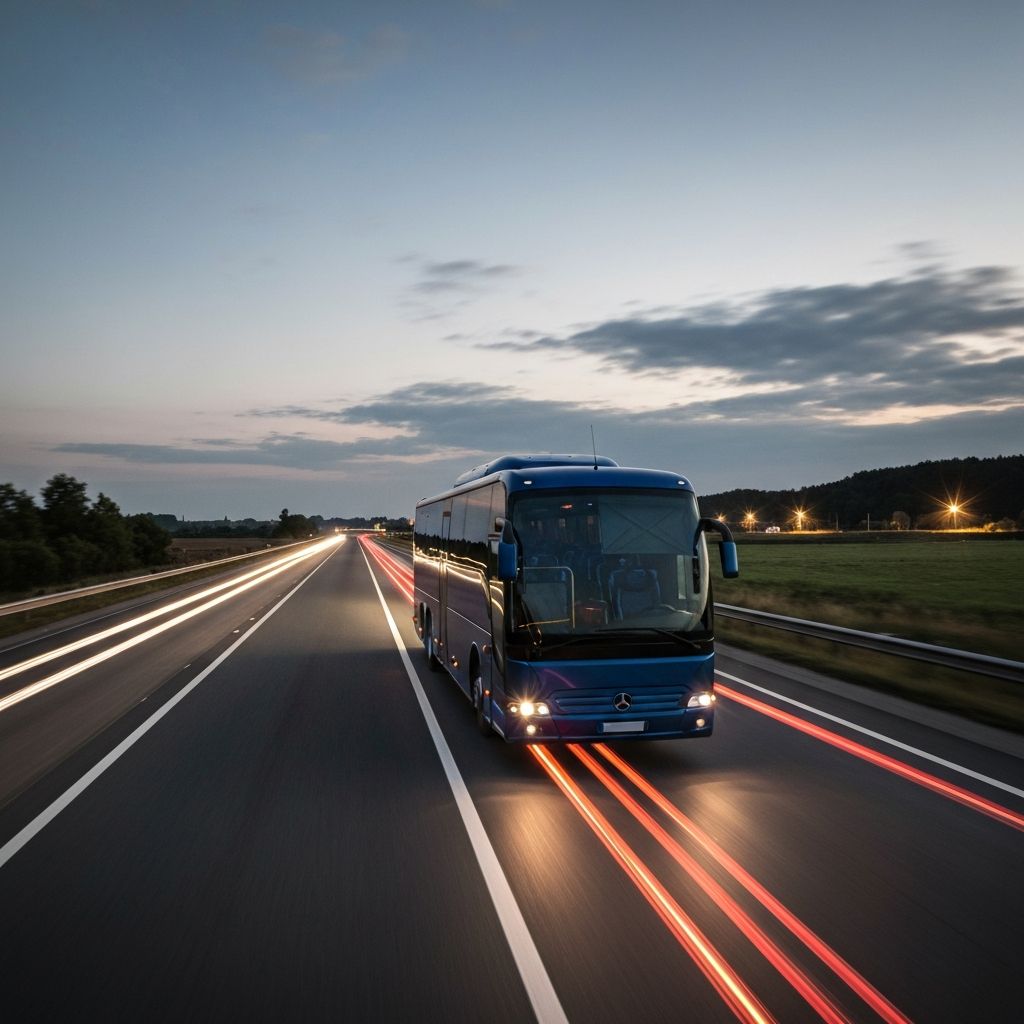
Bus travel in Germany has transformed dramatically since the deregulation of long-distance bus routes in 2013. What was once a niche option has become a thriving industry that connects nearly every major city and many smaller towns. Modern coaches now offer Wi-Fi, power outlets, comfortable seats, and onboard refreshments, making bus travel a competitive alternative to trains and flights. Whether for budget travelers, students, or environmentally conscious commuters, buses provide an affordable and efficient way to explore Germany and beyond.
Leading Bus Companies in Germany
FlixBus is the undisputed leader of the German long-distance bus market. With its signature green coaches, FlixBus connects more than 400 destinations across Germany and thousands more across Europe. The company is known for low prices, modern amenities, and easy online booking.
RegioJet, while originally Czech, has expanded into Germany with premium coach services. It offers extra legroom, complimentary refreshments, and a strong reputation for punctuality on cross-border routes.
BlaBlaBus, operated by the carpooling giant BlaBlaCar, provides affordable intercity services with a focus on convenience and shared travel values. It has carved a niche among younger travelers.
Deutsche Touring is one of the oldest coach operators in Germany, with strong international routes connecting Germany to Eastern Europe, the Balkans, and Turkey. It is widely trusted by diaspora communities.
Eurolines Germany remains a household name for international bus travel, offering well-established connections to over 600 destinations across Europe.
Regional and Specialized Operators
Postbus, once a major intercity operator, now focuses on regional connections and partnerships with local transit authorities, serving commuters and tourists alike.
BVG in Berlin and MVV in Munich operate extensive urban bus networks that complement subway and tram systems, ensuring seamless city transportation.
BerlinLinienBus historically connected Berlin to many German cities and remains a recognizable name despite industry consolidation.
Pinkbus is a relatively new entrant offering premium long-distance services with bigger seats, better legroom, and an upscale travel experience. It has gained popularity for its focus on comfort.
Schwäbisch Hall Bus and other regional operators ensure that smaller cities and rural areas remain connected, often partnering with FlixBus or operating under local transport associations.
Why Choose Bus Travel in Germany?
Bus travel offers several compelling advantages. It is typically the most affordable option, with tickets often available for under 20 euros for long routes booked in advance. Buses also have lower carbon footprints per passenger than cars or planes, making them attractive to eco-conscious travelers. Many companies provide direct connections between cities that would otherwise require multiple train transfers, saving both time and money.
Onboard Amenities and Comfort
Modern German coaches are designed with comfort in mind. Free Wi-Fi, USB charging ports, reclining seats, and onboard toilets are standard. Some premium services include complimentary snacks and drinks, entertainment systems, and reserved seating. Larger luggage allowances also make buses ideal for students and budget travelers moving between cities.
Booking and Travel Tips
Tickets can be booked online, through mobile apps, or at major bus terminals. Booking in advance often unlocks significant discounts. Most major German cities have central bus stations (ZOB) that are well-connected to public transport. Travelers should arrive at least 15 minutes before departure and keep tickets and identification handy.
Trends and Future Outlook
The German bus industry continues to evolve. Electric and hybrid coaches are being introduced to reduce emissions, while digital booking platforms are integrating with other transport modes for seamless multi-modal travel. The growing focus on sustainability and affordability ensures that bus travel will remain a vital part of Germany's transport landscape.
Final Thoughts
From budget-friendly long-distance carriers to premium and regional operators, Germany offers a robust bus network that meets the needs of every traveler. With modern fleets, extensive routes, and competitive pricing, bus companies in Germany continue to redefine what affordable and comfortable travel looks like.
