
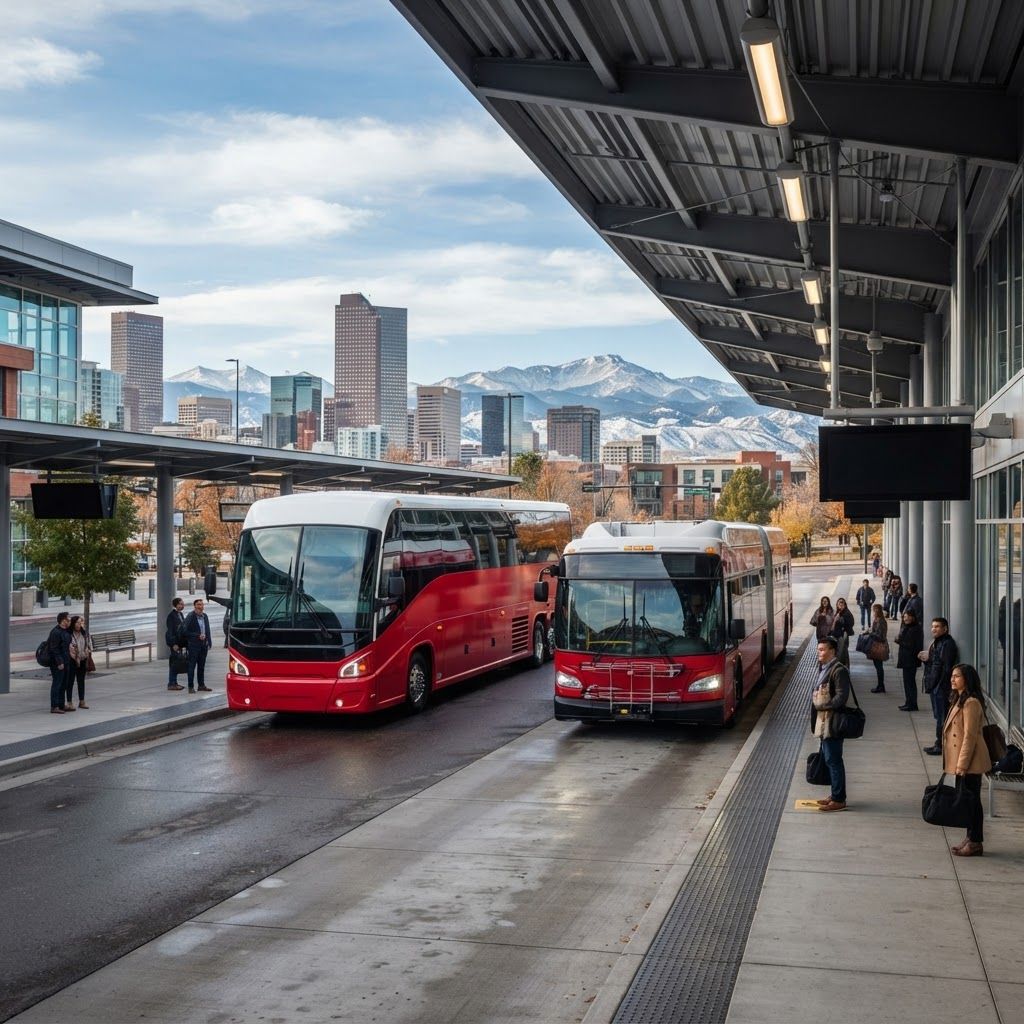
Denver's Diverse Bus Transportation Network
Bus travel plays an essential role in Denver's transportation ecosystem, serving everyone from daily commuters to long-distance travelers and large groups planning special events. The city's bus companies span a wide range of services, including public transit, intercity coach routes, and private charter operations, each meeting a distinct set of needs. As Denver's population continues to grow and traffic congestion increases, buses offer an efficient, cost-effective, and environmentally conscious alternative to individual car travel. The strength and variety of Denver's bus network reflect the city's commitment to keeping people connected, whether they are traveling across town, across the state, or organizing transportation for a group outing.
Public Transit and Regional Service
At the heart of Denver's bus system is the Regional Transportation District, widely known as RTD, which operates an extensive network of local and regional bus routes throughout the metro area. RTD provides indispensable service for commuters, students, and residents who rely on affordable public transportation to reach work, school, and essential destinations. Its routes integrate seamlessly with the light rail system, creating a comprehensive transit network that spans the greater Denver region. RTD's commitment to accessibility, frequent service on major corridors, and connections to key hubs like Union Station make it a foundational element of the city's public mobility and a model for regional transit planning.
Intercity and Long-Distance Travel
For travelers heading beyond the metro area, several intercity bus companies offer convenient long-distance options. Greyhound Lines provides service connecting Denver to destinations across the country, offering an economical alternative to flying or driving for regional and cross-country journeys. FlixBus has entered the market with a modern approach, featuring comfortable coaches equipped with amenities like onboard internet and power outlets at competitive fares. These companies serve budget-conscious travelers, students returning home, and anyone seeking a relaxed, scenic way to travel through Colorado and neighboring states without the stress of driving or the expense of air travel.
Charter and Group Transportation
Denver's charter bus companies fill a crucial niche for groups requiring private, customized transportation. Whether the occasion is a corporate event, wedding, school field trip, sports team travel, or a mountain excursion, charter operators provide well-maintained motorcoaches and professional drivers to handle the logistics. Companies specializing in this sector offer a range of vehicle sizes, from smaller shuttles to full-size luxury coaches, allowing organizers to match capacity precisely to their needs. The convenience of door-to-door group transport, combined with amenities and the reliability of experienced drivers, makes charter services a popular choice for those coordinating travel for larger parties in and around Denver.
Selecting the Right Bus Service
Choosing the best bus company in Denver depends entirely on the purpose of the trip. Daily commuters and local travelers will find RTD's comprehensive network well suited to their needs, while those planning longer journeys can compare intercity operators for the best combination of price, comfort, and schedule. Groups organizing private events should evaluate charter companies based on fleet quality, safety records, and customer service reputation. Across all categories, the leading bus companies share a dedication to reliability, cleanliness, and passenger comfort. As Denver continues to prioritize sustainable and efficient transportation, its robust bus network remains an invaluable resource, offering practical and dependable travel solutions for the entire community.
Practical Tips for Comparing Denver Options
Before making a final choice, readers should define their priorities and compare providers on more than price alone. Availability can change quickly in Denver during summer holidays, major conventions, sporting events, and the winter mountain season, so planning ahead is valuable. A low advertised rate may not include every fee, optional upgrade, or seasonal surcharge. Asking for a clear summary of what is included helps prevent surprises and makes side-by-side comparisons more meaningful. Customers should also consider cancellation terms, operating hours, accessibility needs, and how easily the provider can respond when plans change.
Recent customer feedback can reveal useful patterns, particularly when several reviewers mention the same strength or concern. However, a single review rarely tells the whole story. Look instead for consistent comments about professionalism, cleanliness, communication, punctuality, condition of facilities or equipment, and the way problems are resolved. Established names can offer broad resources and standardized processes, while smaller Denver businesses may provide more flexible, personal service and deeper neighborhood knowledge. Neither model is automatically better; the right fit depends on the complexity of the trip or project and the level of support required.
Denver's altitude, fast-changing weather, busy airport, and proximity to mountain corridors can all affect scheduling. Visitors arriving from lower elevations may benefit from building extra time into their first day, while anyone traveling west should account for traffic and winter road conditions. Confirming arrangements shortly before arrival is a simple precaution. It is also sensible to keep essential documents and reservation details readily available. By combining careful research with realistic expectations, readers can choose confidently and get more value from the city's strongest options. The best provider is ultimately the one that delivers dependable service, communicates clearly, and aligns closely with the customer's individual priorities.
