
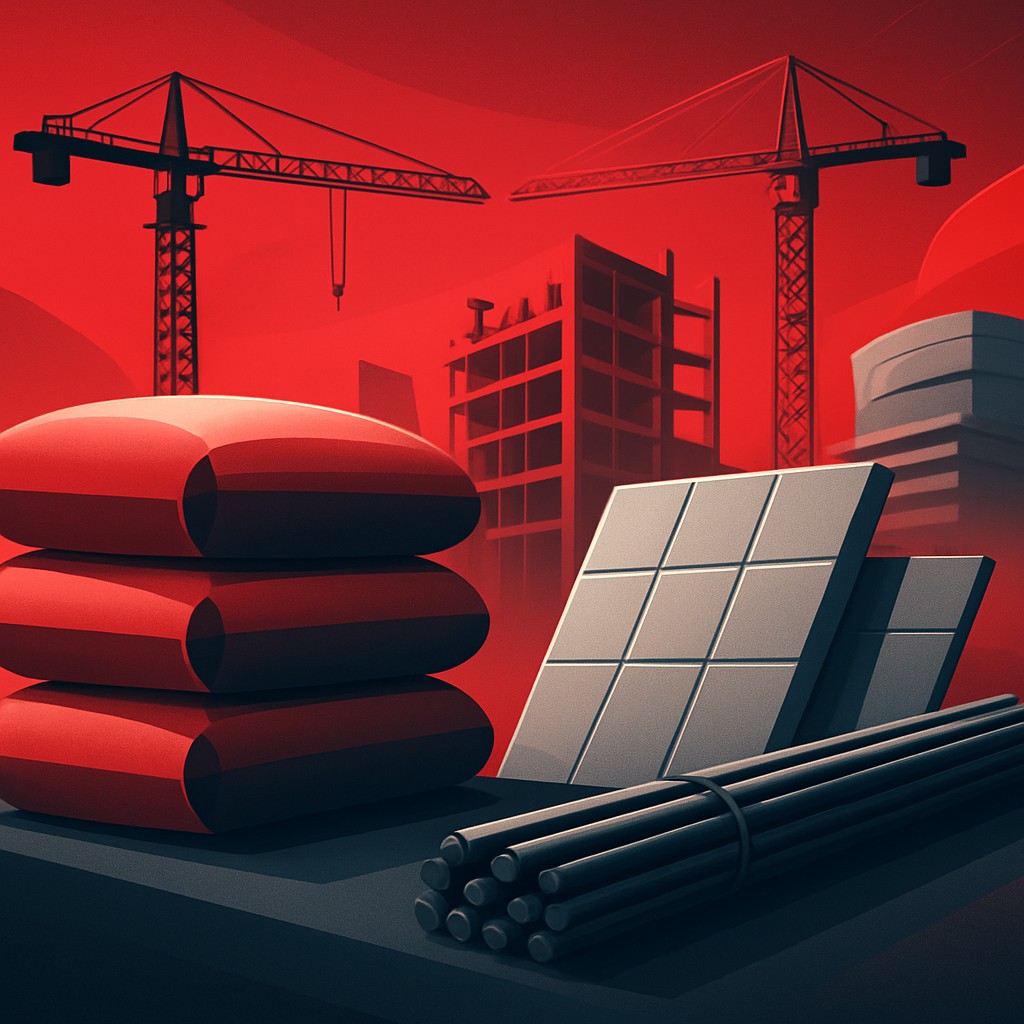
Building the Foundations of Tunisia
Building materials form the literal foundation of Tunisia's growth, supplying the cement, ceramics, steel, aggregates, and finishing products that construct homes, infrastructure, and commercial developments. The sector is a major contributor to the economy and employment, closely tied to construction activity, public infrastructure projects, and real-estate development. As urbanization continues and infrastructure investment grows, demand for quality building materials remains robust.
The industry spans cement producers, ceramic and tile manufacturers, steel and aluminum suppliers, and producers of plaster, paints, and aggregates. This guide profiles the leading building material companies and the trends shaping the construction supply chain.
The Leading Building Material Companies
Carthage Cement is a major cement producer with modern facilities, supplying the construction sector with high-quality cement and clinker for projects nationwide.
Ciments de Bizerte is a long-established cement manufacturer serving the northern region with reliable supply and consistent quality.
Ciments d'Enfidha (Votorantim) operates modern cement production, benefiting from international expertise and investment to serve growing demand.
SOTACIB produces cement and clinker, contributing significantly to the country's construction material supply.
Ceramica (Société Tunisienne de Céramique) manufactures ceramic tiles and sanitary ware, offering a wide range of finishing products for residential and commercial construction.
SOMOCER is a leading ceramic tile and sanitary-ware producer, known for quality and design variety across its product lines.
El Mazraa / ceramic specialists supply tiles and ceramic products serving the building and renovation markets.
Sotemail produces sanitary ware and ceramic fixtures, delivering quality bathroom and finishing products.
El Fouladh (steel) manufactures steel products and reinforcement bars essential for structural construction.
Comptoir des Matériaux de Construction distributors round out the list, supplying aggregates, plaster, and a broad range of construction materials to builders.
What Sets Top Building Material Companies Apart
Quality, reliability, and consistent supply are paramount in building materials. Construction projects depend on materials that meet strict standards for strength, durability, and safety. Companies with modern production facilities, rigorous quality control, and relevant certifications earn the trust of contractors and developers.
Capacity and supply reliability are crucial given the scale of construction demand. Large infrastructure projects require dependable, high-volume delivery, so manufacturers with robust production and logistics capabilities hold a clear advantage. Competitive pricing, important in a cost-sensitive industry, further distinguishes leaders.
Product range and innovation add value. Companies offering diverse materials—from structural cement and steel to decorative ceramics and finishing products—serve broader needs. Increasingly, energy-efficient production and sustainable materials appeal to environmentally conscious projects.
Industry Trends and Growth Drivers
Tunisia's building materials sector is influenced by several trends. Continued urbanization and housing demand sustain consumption of cement, ceramics, and steel. Public infrastructure investment—roads, utilities, and public buildings—drives large-scale material demand.
Sustainability is gaining importance, with interest in energy-efficient cement production, lower-carbon materials, and eco-friendly building solutions. Modernization of production facilities improves efficiency and product quality. The renovation and finishing market supports steady demand for ceramics, tiles, paints, and sanitary ware as property owners upgrade existing buildings.
Why Source Building Materials from Tunisia
Tunisia offers strong domestic production capacity, competitive pricing, and proximity that simplifies logistics for construction projects. Local manufacturers provide reliable supply of essential materials, reducing dependence on imports and supporting timely project delivery.
When selecting a building materials partner, businesses should weigh quality certifications, production capacity, product range, and supply reliability. The companies profiled here consistently rank among the most capable and dependable in the sector.
Conclusion
Tunisia's building material companies supply the cement, ceramics, steel, and finishing products that underpin the nation's construction and infrastructure development. By prioritizing quality, capacity, and increasingly sustainable production, these firms support both private development and public projects. As urbanization and infrastructure investment continue, Tunisia's leading building material companies are well positioned to lay the foundations for the country's ongoing growth.
