
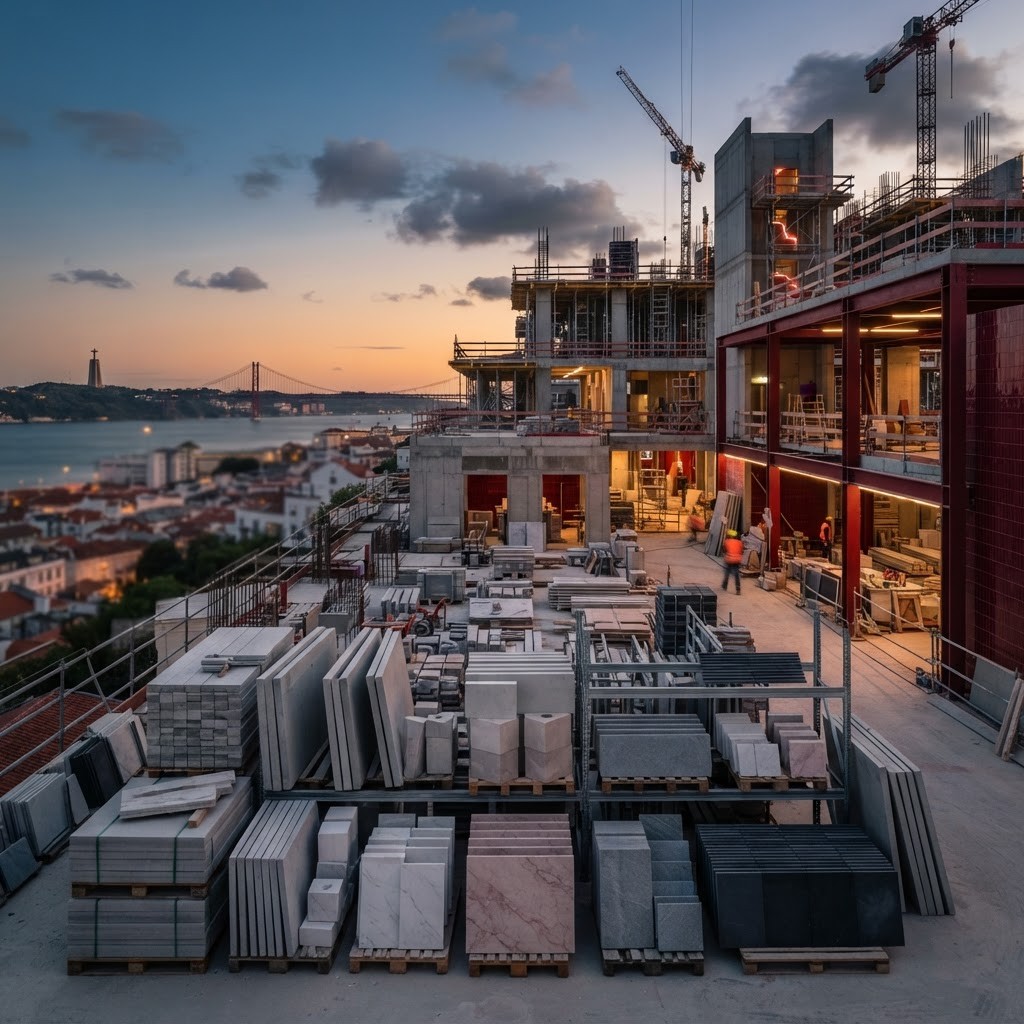
Building the Foundations of a Growing Economy
Portugal's building materials industry is a cornerstone of the national economy, underpinning a construction sector energised by tourism-driven development, urban renewal and infrastructure investment. The country is especially renowned for two areas: natural stone, particularly its prized marble and limestone, and ceramics, where Portuguese tiles and sanitaryware enjoy international acclaim. Alongside these, strong producers of cement, aggregates, insulation and prefabricated systems supply the raw materials that turn architectural visions into reality.
The sector's blend of natural resources and manufacturing expertise gives Portugal a distinctive position. Its marble from the Estremoz-Borba-Vila Viçosa triangle is exported worldwide, while its tile makers combine centuries of ceramic tradition with cutting-edge design and production technology.
Qualities of Leading Building Material Companies
Top companies in this sector share a commitment to quality, durability and increasingly to sustainability. Many hold environmental certifications and are working to lower the carbon footprint of traditionally energy-intensive products such as cement and ceramics. Design capability is another differentiator, especially in tiles and stone, where aesthetics matter as much as performance. Reliable supply, technical support and compliance with European construction standards round out the profile of the best producers.
The Top 10 Building Material Companies
1. Secil. One of Portugal's leading cement producers, Secil supplies cement, concrete and related materials for major construction projects while investing in lower-carbon and alternative-fuel technologies.
2. Cimpor. A globally recognised cement group with deep Portuguese roots, Cimpor provides cement and building solutions at scale, supporting both domestic and international construction.
3. Revigrés. A prestigious ceramic-tile manufacturer, Revigrés is known for high-quality porcelain tiles that combine technical performance with sophisticated design, favoured by architects and designers.
4. Recer. Another leading tile producer, Recer offers extensive collections of ceramic and porcelain tiles, blending innovation, durability and contemporary aesthetics for residential and commercial projects.
5. Love Tiles / Grespor. A design-forward ceramics brand, Love Tiles has built an international reputation for stylish, trend-driven tile collections backed by modern manufacturing.
6. Roca / Sanindusa sanitaryware. Portugal's sanitaryware producers, including Sanindusa, supply bathrooms worldwide with ceramic basins, toilets and fittings that combine quality with modern design.
7. Solancis. A leading natural-stone company specialising in Portuguese limestone, Solancis extracts and processes stone for façades, flooring and architectural applications on international projects.
8. Marmetal / Estremoz marble producers. The marble quarries and processors of the Estremoz region supply some of the finest marble in the world, prized for its beauty in prestigious buildings globally.
9. Preceram / precast concrete specialists. Precast and prefabricated concrete producers deliver structural and architectural elements that speed up construction while ensuring consistent quality.
10. Amorim Cork insulation and specialty materials. Leveraging Portugal's cork leadership, cork-based insulation and building products offer natural, sustainable solutions that align with green building trends.
Sustainability and Green Construction
Sustainability is reshaping the building materials industry. Cement producers, facing the challenge of reducing carbon emissions, are investing in alternative fuels, clinker substitutes and carbon-capture research. Ceramic makers are improving kiln efficiency and recycling production waste. Natural materials such as cork are gaining popularity for their renewable, insulating properties. Across the board, manufacturers are aligning products with green building certifications that developers increasingly demand.
This green shift is more than compliance; it responds to a market where architects and developers actively seek low-impact materials. Companies that can document the environmental performance of their products are winning specifications on major projects.
Design and Innovation
Portuguese building materials are as much about design as durability. Tile manufacturers release seasonal collections inspired by natural stone, textiles and contemporary art, using digital printing to achieve remarkable realism. Stone processors employ advanced cutting and finishing to deliver bespoke architectural elements. This fusion of aesthetics and technology allows Portuguese products to compete at the premium end of global markets.
Serving Domestic and Export Markets
The industry serves a busy domestic construction market fuelled by residential development, tourism infrastructure and public works, while exporting extensively. Portuguese tiles, stone and sanitaryware appear in landmark buildings, hotels and homes across Europe, the Americas and the Middle East, carrying the reputation of Portuguese craftsmanship far beyond its borders.
Choosing a Building Materials Partner
Selecting the right supplier depends on the project. For structural work, prioritise producers with strong technical support, certified quality and reliable delivery at scale. For finishes, design range, customisation and aesthetic quality become decisive. In all cases, environmental credentials and compliance with construction standards should factor heavily into the decision.
Conclusion
Portugal's building material companies combine rich natural resources, deep craft traditions and modern, increasingly sustainable manufacturing. From cement and precast systems to world-famous tiles, marble and cork solutions, the companies profiled here supply the foundations, and the finishing touches, of construction projects at home and around the world.
