
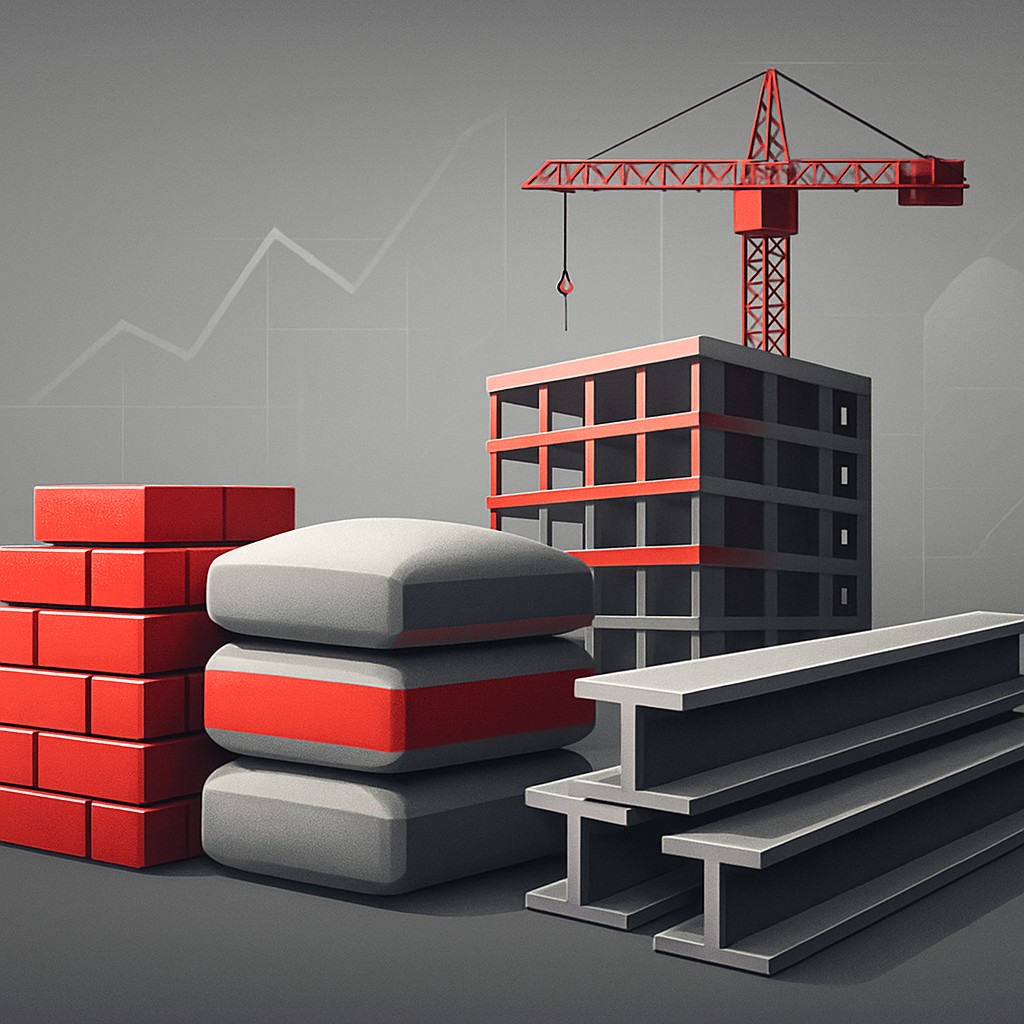
The Backbone of Poland's Construction Boom
Poland has experienced one of the most remarkable construction expansions in Europe, transforming its cities, transport networks, and residential landscapes at an extraordinary pace. At the foundation of this growth lies a robust building materials industry that supplies the cement, aggregates, insulation, bricks, and finishing products essential to every project. From towering office complexes in Warsaw to highway developments connecting the country's regions, building material companies play an indispensable role in shaping modern Poland.
The sector has matured significantly, attracting both major international corporations and well-established domestic producers. Strong demand from public infrastructure projects, commercial real estate, and a thriving housing market has encouraged continuous investment in production capacity and technology. As a result, Poland's building material suppliers are known for combining competitive pricing with reliable quality and innovative product ranges.
Key Players in the Market
Several companies stand out as leaders in Poland's building materials landscape. Cement giants such as Górażdże Cement, part of the Heidelberg Materials group, and Lafarge Poland supply the binding agents that underpin virtually every construction project. These firms operate large-scale plants equipped with modern kilns and quality control systems, ensuring consistent output for both small contractors and major developers.
In the insulation and roofing segment, companies like Selena Group and Rockwool Poland have earned strong reputations for energy-efficient solutions that align with the European Union's stringent building standards. Brick and ceramic specialists, including Wienerberger's Polish operations, deliver durable masonry products favored for their longevity and thermal performance. Meanwhile, distributors and retail chains ensure that materials reach construction sites efficiently across the country.
Innovation and Sustainability
Sustainability has become a central theme within Poland's building materials industry. Manufacturers are increasingly investing in low-carbon cement formulations, recycled aggregates, and energy-saving insulation that helps buildings meet modern efficiency requirements. This shift not only reduces environmental impact but also responds to growing demand from developers seeking green building certifications.
Technological innovation extends to product performance as well. Advanced concrete additives, self-leveling compounds, and high-performance adhesives allow builders to work faster and achieve superior results. Many companies also offer technical support and training, helping contractors apply new materials correctly and maximize their benefits.
Why Poland Attracts Construction Investment
Poland's strategic location, stable economy, and access to European Union funding have made it a magnet for construction investment. The building materials sector benefits directly from this momentum, with steady demand supporting expansion and modernization. Domestic producers also enjoy proximity to neighboring markets, enabling them to export products throughout Central and Eastern Europe.
The combination of skilled labor, competitive costs, and well-developed logistics networks further strengthens the industry. Suppliers can deliver materials quickly and reliably, an essential advantage in a sector where project timelines are tight and delays can be costly.
Selecting a Reliable Supplier
Choosing the right building materials partner requires careful evaluation. Contractors and developers should consider a company's product certifications, production capacity, and reputation for consistent quality. Reliability in delivery, the breadth of product offerings, and technical expertise are also crucial factors that influence project success.
Poland's leading building material companies offer a compelling mix of quality, innovation, and value. As the nation continues to invest in infrastructure and sustainable development, these suppliers remain vital partners in constructing the buildings, roads, and communities of the future.
