
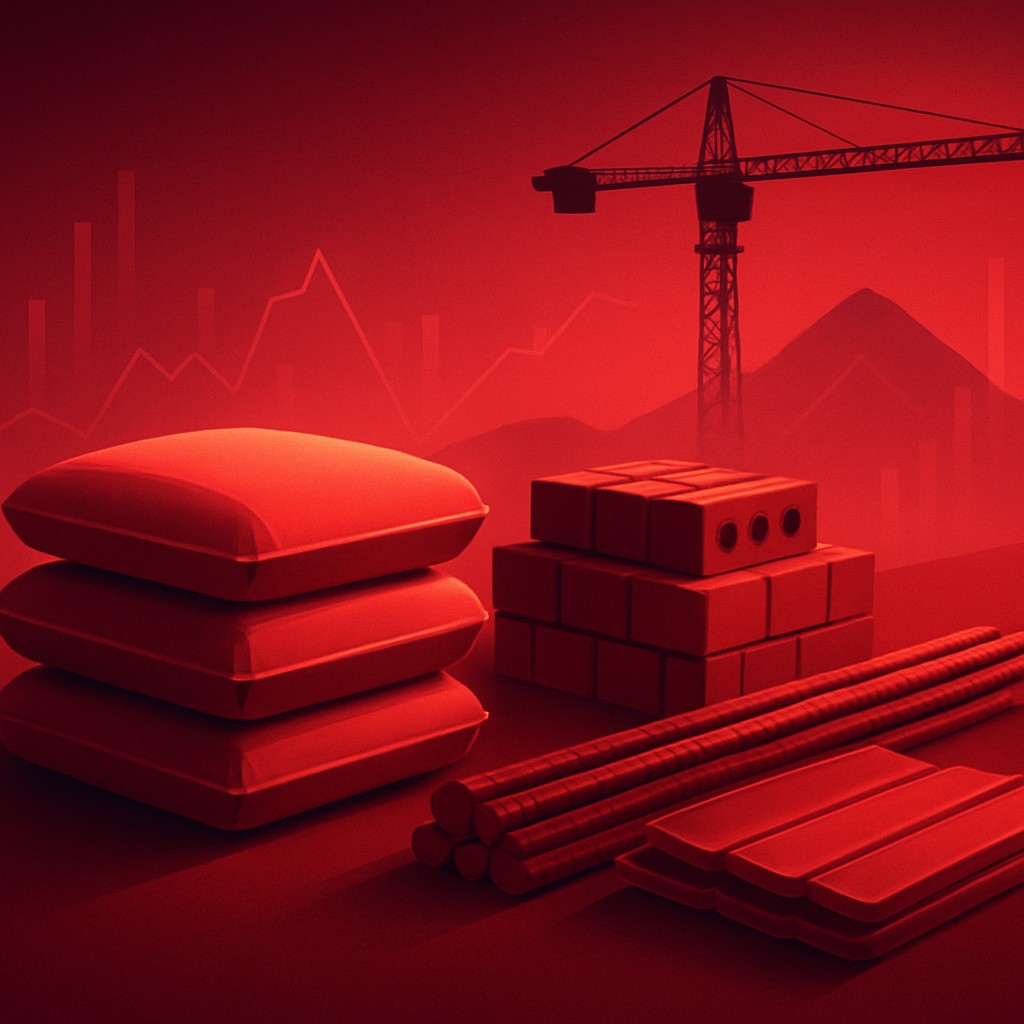
Building the Foundations of Modern Nepal
Nepal is in the midst of a sustained construction wave. Post-earthquake reconstruction, rapid urban expansion in cities like Kathmandu, Pokhara, and Biratnagar, and ambitious infrastructure projects have created enormous demand for quality building materials. From cement and steel to tiles, paints, and aggregates, building material companies form the backbone of this growth, supplying the raw inputs that turn blueprints into durable structures.
The sector's importance extends beyond commerce. Reliable, standards-compliant materials directly affect the safety and longevity of homes, schools, hospitals, and bridges. In a seismically active country, the quality of cement and steel is not merely a commercial concern but a matter of public safety, making trusted suppliers indispensable.
Qualities That Define the Best Suppliers
The strongest building material companies in Nepal share several traits. They maintain rigorous quality control, often holding national standard certifications, and they invest in consistent production to ensure every batch performs as expected. Reliability of supply is equally critical; contractors working against tight deadlines need partners who can deliver large volumes without interruption.
Leading firms also offer technical guidance, helping builders select the right grades of cement, rebar, or tiles for specific applications. A broad distribution network that reaches both major cities and remote districts is another hallmark of the country's top suppliers, ensuring materials arrive where they are needed.
Top Building Material Companies in Nepal
Several companies consistently rank among Nepal's most trusted. Shivam Cement is one of the largest integrated cement producers in the country, widely respected for consistent quality and nationwide reach. Hongshi-Shivam Cement has also become a major force, leveraging modern manufacturing to supply high-grade cement at scale.
In steel, Himal Iron and Steel and Panchakanya Group are household names, the latter offering a diverse portfolio that spans steel, pipes, and other construction inputs. Jagdamba Steels is another leader, known for reinforcement bars trusted by engineers across the country.
For finishing materials, Bhagwati Tiles and Ceramics and Nepal Ceramic Industries supply a wide range of tiles and sanitaryware. Asian Paints Nepal dominates the coatings segment with durable, weather-resistant finishes. Goldstar Cement rounds out the cement leaders with strong regional presence, while Reliance Steel Nepal is recognised for dependable structural steel used in large projects.
Trends Reshaping the Industry
Sustainability and efficiency are increasingly central to Nepal's building material market. Manufacturers are adopting cleaner kilns, blended cements that reduce carbon intensity, and energy-efficient production. Green building materials, including eco-friendly bricks and recycled aggregates, are gaining traction as developers respond to environmental concerns and international standards.
Earthquake-resistant materials and stricter adherence to building codes have also become priorities since 2015. Companies that emphasise high-strength, certified products are winning the trust of engineers and government agencies leading reconstruction and infrastructure work.
How to Select a Building Material Partner
Buyers should evaluate certifications, batch consistency, delivery reliability, and after-sales support when choosing a supplier. Visiting production facilities, requesting test reports, and confirming compliance with Nepali standards help safeguard project quality. For large projects, a supplier's logistics capacity and ability to scale deliveries can be as decisive as price.
Conclusion
Nepal's leading building material companies are enabling the country's transformation, supplying the cement, steel, tiles, and finishes that build safer, stronger communities. By prioritising quality, certification, and dependable distribution, these firms have earned the trust of contractors and homeowners alike. As construction continues to accelerate, partnering with reputable suppliers remains the surest path to durable, safe, and successful projects.
