
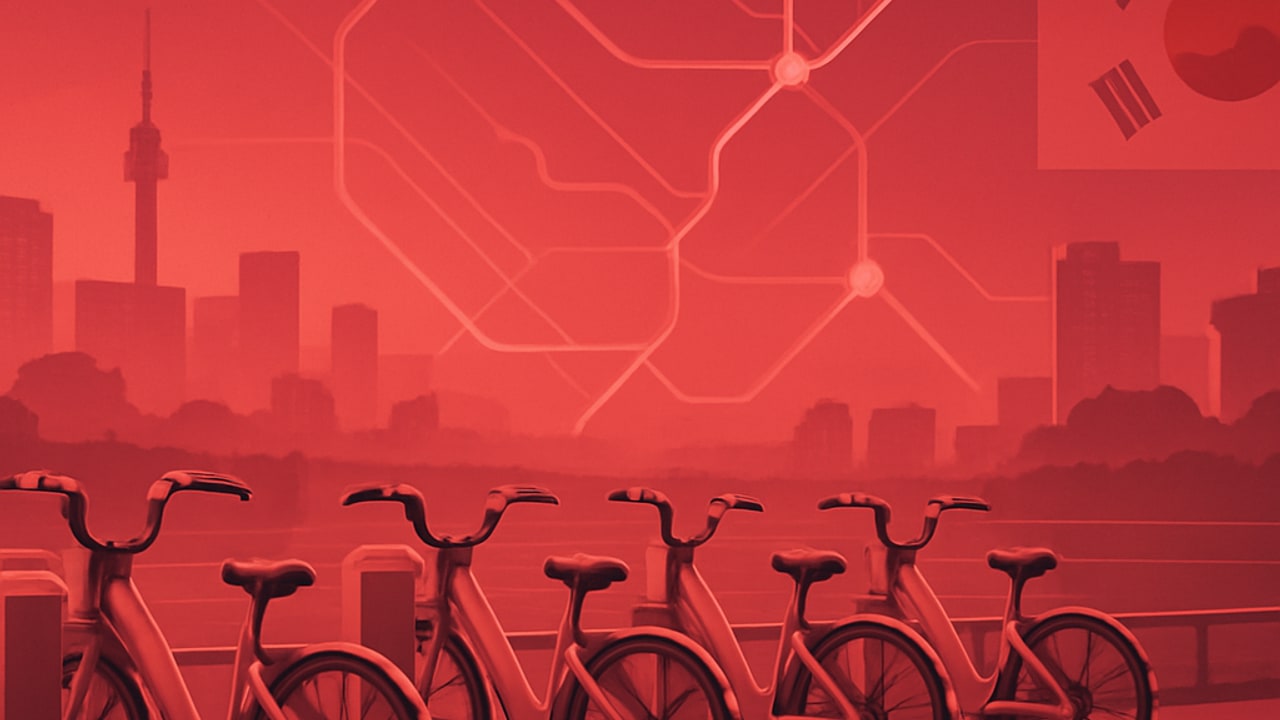
The Rise of Bike Sharing in South Korea
Cycling has become an integral part of urban mobility in South Korea, supported by extensive riverside paths, dedicated bike lanes, and a growing network of public and private rental services. Bike sharing offers an affordable, eco-friendly, and healthy way to navigate cities, complementing the country's already excellent public transit. Whether for daily commutes, leisurely rides along scenic rivers, or short trips to the nearest subway station, bike rentals have reshaped how people move.
Both government-run programs and innovative private operators have entered the market, providing everything from traditional pedal bikes to electric models accessed through smartphone apps. Below are the ten best bike rental services across South Korea.
1. Seoul Bike (Ddareungi)
Seoul Bike, affectionately known as Ddareungi, is the capital's flagship public bike-sharing program and the most widely used service in the country. With thousands of docking stations distributed across the city, the program offers affordable rentals through a simple app. Its convenience, broad coverage, and integration with the riverside cycling network have made it immensely popular among commuters and tourists exploring Seoul.
2. Tashu
Tashu is the public bike-sharing system in Daejeon, providing residents with an easy and inexpensive way to get around the city. With numerous stations and a user-friendly rental process, Tashu supports short trips and connects neatly with the city's transit system, embodying Daejeon's reputation as a forward-thinking, science-oriented city.
3. Nubija
Nubija is the pioneering public bicycle program in Changwon, one of the first cities in Korea to embrace large-scale bike sharing. The well-established system features convenient stations throughout the city and has become a model for sustainable urban mobility, encouraging residents to choose cycling for everyday journeys.
4. Kakao T Bike
Kakao T Bike is a leading electric bike-sharing service operated through the widely used Kakao T mobility app. Offering pedal-assist electric bikes that make longer rides and hilly routes effortless, the service is dockless, allowing users to start and end trips conveniently. Its seamless integration with a popular super-app has driven rapid adoption across multiple cities.
5. Swing
Swing is a popular micromobility operator providing electric bikes and scooters in major urban areas. Known for its bright, recognizable fleet and easy app-based rentals, Swing appeals to younger commuters seeking fast, flexible transport for short urban trips.
6. Elecle
Elecle offers a dockless electric bike-sharing service with a focus on convenience and accessibility. Riders can locate and unlock bikes through a mobile app, making it easy to grab a ride for the last mile of a journey. The service has expanded across several cities, contributing to greener urban transport.
7. Gcoo
Gcoo provides electric bike and scooter rentals designed for quick, app-based access. With a growing presence in urban centers, Gcoo emphasizes ease of use and affordability, helping commuters bridge the gap between transit stops and their final destinations.
8. Onhae Bike
Onhae Bike is the public bicycle-sharing program serving Sejong, the administrative city. Designed to support a planned, sustainability-focused urban environment, the service offers convenient stations and affordable rentals that encourage cycling among government workers and residents alike.
9. U-Bike Suwon
The public bike-sharing program in Suwon provides residents of this historic city with accessible rental bikes for commuting and leisure. With stations placed near key landmarks, transit hubs, and residential areas, the service promotes active, eco-friendly travel throughout the city.
10. Busan Bike Share
Busan's bike-sharing initiatives offer rentals geared toward both commuters and tourists in the coastal city. With scenic routes along the waterfront and connections to the subway network, these services provide an enjoyable and practical way to experience Korea's vibrant second city.
Trends Driving the Bike-Sharing Movement
The bike-sharing sector in South Korea is evolving rapidly. Electrification is a major trend, as pedal-assist e-bikes make cycling accessible to a wider range of riders and extend the practical range of trips. Dockless and app-based models offer greater flexibility, allowing users to start and end rides almost anywhere within service zones.
Integration with broader mobility platforms is increasingly common, enabling users to plan multimodal journeys that combine bikes, transit, and other options in a single app. Cities continue to invest in cycling infrastructure, expanding dedicated lanes and riverside paths that make riding safer and more enjoyable. Sustainability remains a central motivation, with bike sharing helping reduce traffic congestion and emissions in dense urban areas.
Choosing the Right Bike Rental Service
Selecting a bike rental service depends on your location and needs. For affordable, station-based commuting in major cities, public programs offer excellent value and reliability. Riders seeking the ease of electric assistance or dockless convenience may prefer private operators accessible through mobility apps. Tourists will find that bike sharing provides a delightful way to explore scenic routes at their own pace. With so many options available, cycling has firmly established itself as a smart, healthy, and environmentally friendly way to travel across South Korea.
