
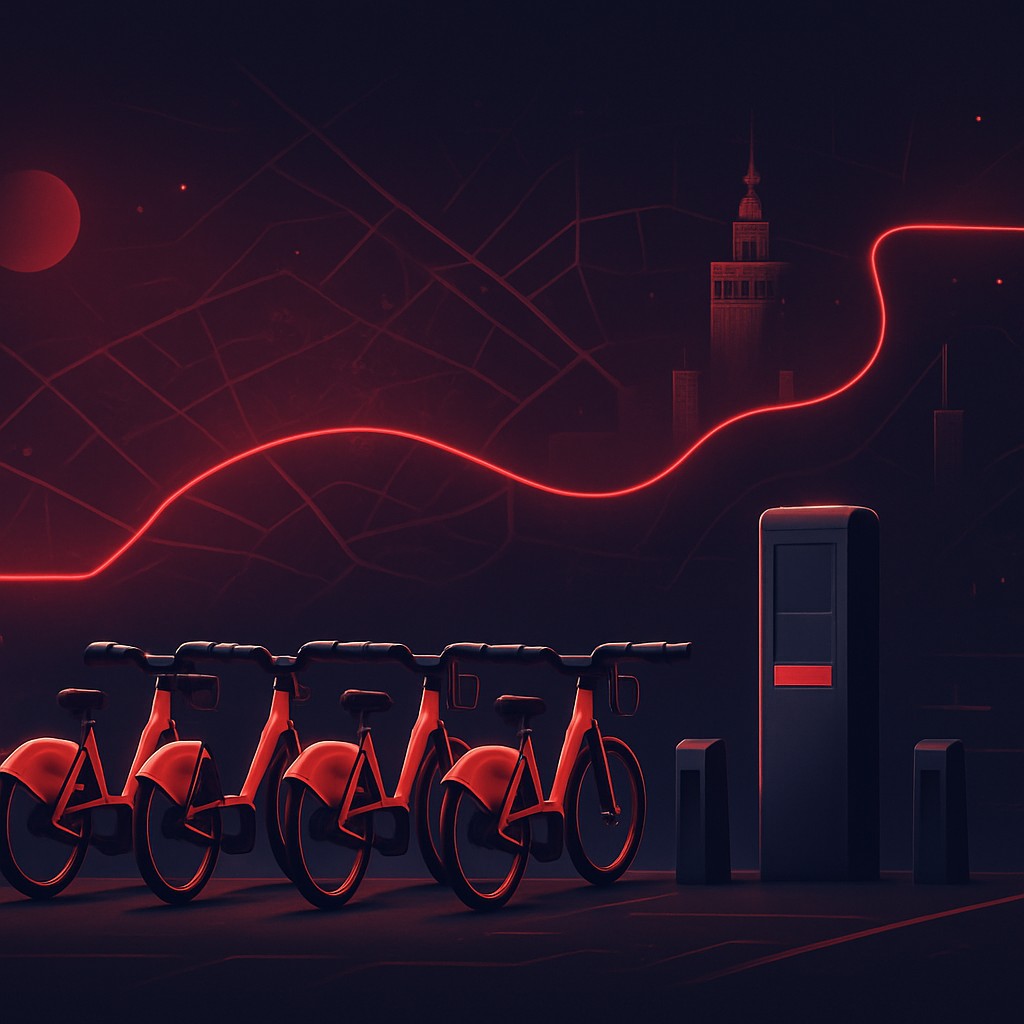
The Rise of Bike Sharing in Poland
Cycling has surged in popularity across Poland as cities embrace sustainable transport and residents seek healthier, more flexible ways to get around. Bike sharing systems have become a familiar sight in urban centres, offering an affordable and convenient alternative to cars and public transport for short journeys. With expanding cycling infrastructure and growing environmental awareness, bike rental services play an increasingly important role in Polish mobility.
From major metropolitan systems to private rental operators catering to tourists, the bike rental market in Poland is diverse and well-developed. These services not only reduce traffic congestion and emissions but also promote active lifestyles and make exploring cities both enjoyable and accessible.
What Defines a Top Bike Rental Service
The best bike rental services in Poland combine convenience, affordability, and reliability. Easy registration, widespread docking stations or flexible parking zones, and user-friendly mobile apps make renting a bike effortless. Well-maintained bicycles, including electric options for longer or hillier routes, enhance the overall experience.
Coverage and availability are essential. Top services ensure that bikes are readily accessible across the city, with enough stations and units to meet demand. Transparent pricing, simple payment options, and responsive customer support further distinguish the providers that users trust for their daily commutes and leisure rides.
Leading Bike Rental Services in Poland
Veturilo is Warsaw's flagship bike sharing system and one of the largest in the country, offering thousands of bikes across the capital. Wavelo previously served Krakow, and the city continues to develop modern cycling options for residents and visitors. Wroclawski Rower Miejski (Wroclaw City Bike) provides a popular bike sharing scheme in Wroclaw, while Poznanski Rower Miejski serves cyclists in Poznan.
Other notable systems include Bialski Rower Miejski and various municipal schemes operated in cities across the country. Operators such as Nextbike have powered many of these public bike sharing systems, providing the technology and bicycles that keep them running smoothly. In tourist destinations, private rental shops also offer quality bikes for visitors wishing to explore at their own pace. Together, these services make cycling an accessible and attractive option throughout Poland.
Trends in the Bike Rental Sector
The bike rental industry in Poland is evolving rapidly. Electric bikes are becoming increasingly popular, enabling riders to travel further and tackle hills with ease, broadening the appeal of bike sharing. Cities are expanding dedicated cycling lanes and improving infrastructure, making cycling safer and more convenient.
Technology continues to enhance the experience, with smart locks, GPS tracking, and intuitive apps simplifying the rental process. Some systems are moving toward dockless or hybrid models that offer greater flexibility. Integration with broader urban mobility platforms is also emerging, allowing users to combine cycling seamlessly with public transport for efficient multimodal journeys.
Choosing the Right Bike Rental Service
Selecting a bike rental service in Poland depends on factors such as location, the availability of electric bikes, pricing structure, and ease of use. Daily commuters may prioritise widespread station coverage and affordable subscriptions, while tourists might prefer flexible short-term rentals from local shops. Whatever the need, Poland offers a wealth of options.
As cities continue to champion sustainable transport, bike sharing will remain a key element of urban mobility in Poland. These services offer a practical, healthy, and environmentally friendly way to navigate the country's vibrant cities, supporting both residents' daily lives and visitors' explorations.
