
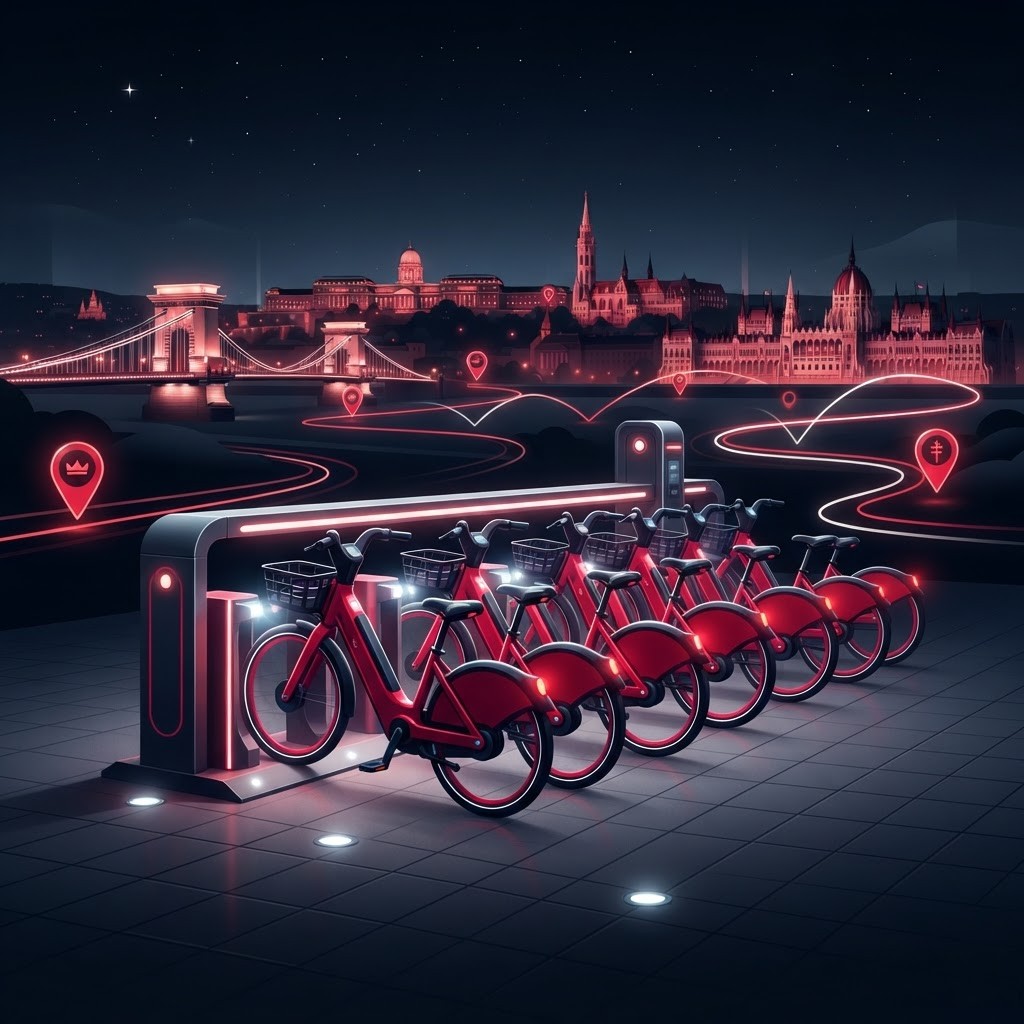
Hungary's Growing Cycling Culture
Cycling has surged in popularity across Hungary, embraced as a healthy, affordable, and eco-friendly way to get around. In cities, bikes offer a nimble alternative to cars and public transport, while the country's scenic routes, including the beloved trails around Lake Balaton and along the Danube, attract leisure cyclists and tourists. Bike rental and sharing services have flourished to meet this demand, making two-wheeled travel accessible to residents and visitors alike.
Whether for a quick city commute, a weekend adventure, or a multi-day cycling holiday, rental services provide flexible options without the commitment of ownership. This convenience has helped cement cycling as a key part of Hungary's sustainable mobility landscape.
Leading Bike Rental Services in Hungary
MOL Bubi is Budapest's flagship public bike-sharing scheme, offering a dense network of docking stations across the capital. It is ideal for short trips and integrates well with the city's broader transit system.
Donkey Republic operates a popular app-based bike rental service in Hungarian cities, allowing users to unlock and return bikes conveniently via their smartphones.
Yellow Zebra Bikes is a well-established rental and tour company in Budapest, praised for quality bikes and guided city tours that showcase the capital's highlights.
Bikebase Budapest offers a wide range of rental bikes, from city cruisers to touring models, catering to both casual riders and serious cyclists.
Balaton Bike Rentals and various local operators around Lake Balaton provide bikes for exploring the region's famous lakeside cycling paths.
Mobiliti and other e-bike specialists round out the market, meeting growing demand for electric bikes that make longer rides and hilly terrain effortless.
What Makes a Bike Rental Service Great
The best bike rental services combine well-maintained bikes, convenient access, and fair pricing. Riders value clean, safe, and properly serviced bicycles, along with accessories such as helmets, locks, and baskets. App-based systems that allow easy booking, unlocking, and returning add tremendous convenience for urban users.
For tourism-focused rentals, knowledgeable staff, guided tour options, and a variety of bike types enhance the experience. Flexible rental periods, from hourly to weekly, and clear terms give customers confidence and value. Good customer support ensures any issues are resolved quickly.
Trends Driving the Cycling Boom
Electric bikes are one of the most significant trends in Hungary's rental market, opening up cycling to a broader audience by making longer distances and hilly routes accessible. E-bike rentals are especially popular for touring and commuting alike.
App-based and dockless systems are transforming urban bike sharing, offering seamless, on-demand access via smartphones. Cities are also investing in expanded cycling infrastructure, including dedicated bike lanes and paths, which encourages more people to ride. Cycling tourism continues to grow, with well-developed routes drawing visitors keen to explore Hungary's natural beauty on two wheels.
Choosing the Right Bike Rental Service
Selecting a bike rental service depends on the intended use. For short city trips, public bike-sharing schemes and app-based rentals offer unbeatable convenience and value. For sightseeing, tour-oriented rental shops provide quality bikes and local expertise, while leisure cyclists exploring the countryside may prefer touring or electric bikes.
Riders should consider bike quality, pricing structure, coverage area, and included accessories when choosing a service. Checking reviews and confirming rental terms helps ensure a smooth and enjoyable experience, whether cycling through a bustling city or along a tranquil lakeside path.
Conclusion
Bike rental services have become an essential part of Hungary's sustainable and active lifestyle, making cycling accessible to all. The services featured here offer quality bikes, convenient access, and flexible options for city commuting, sightseeing, and countryside adventures. As e-bikes, app-based systems, and improved infrastructure continue to advance, Hungary's cycling scene is poised for an even brighter and greener future.
