
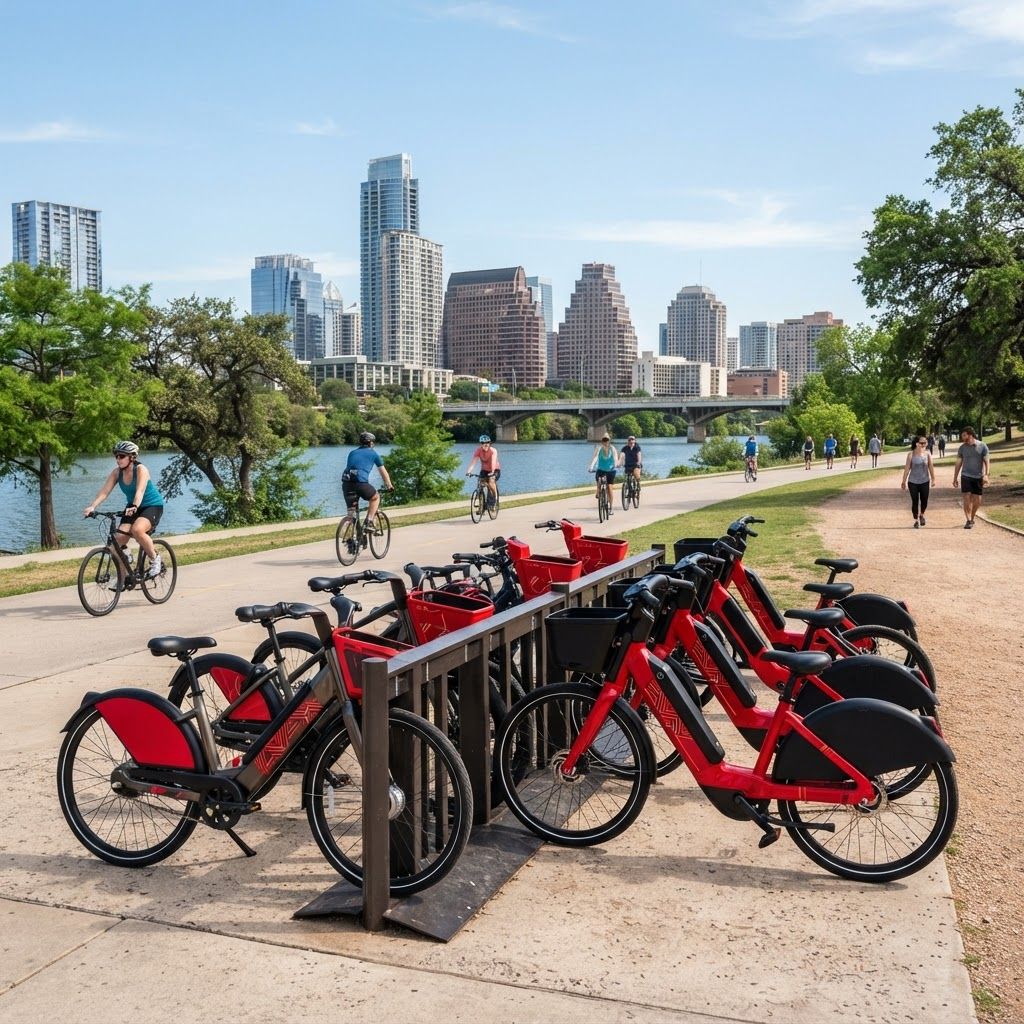
Cycling Culture in Austin
Austin has embraced cycling as both a practical transportation option and a beloved recreational activity. With its scenic trails, bike-friendly streets, and pleasant climate for much of the year, the city offers ideal conditions for two-wheeled exploration. Bike rental services make this accessible to everyone, from tourists eager to see the sights to residents seeking a convenient, eco-friendly way to get around.
The popularity of cycling in Austin reflects broader values of sustainability, health, and outdoor living. Bike rentals support these values by providing flexible access to bicycles without the commitment of ownership, making it easy to enjoy the city's extensive network of trails and paths.
What Makes a Great Bike Rental Service
The best bike rental services combine quality equipment, convenience, and excellent customer service. Well-maintained bicycles in a range of styles, from cruisers to electric bikes, ensure a comfortable and safe ride. Clear pricing, flexible rental periods, and easy booking enhance the overall experience.
Knowledgeable staff who can recommend routes and provide helmets and accessories add significant value. For visitors, guided tours and local insights transform a simple rental into a memorable adventure. Convenient locations near popular trails and attractions further distinguish top providers.
Popular Bike Rental Options in Austin
Austin offers a variety of bike rental choices to suit different needs. The city's bike-share program, MetroBike, provides docked bicycles at stations throughout central Austin, ideal for short trips and casual riding. This system offers an affordable and flexible option for spontaneous journeys around downtown and nearby areas.
Independent rental shops and tour companies cater to those seeking longer rentals or specialized experiences. Providers offering electric bikes have grown popular, allowing riders to cover more ground with less effort, particularly appealing for exploring the Hill Country or longer trail rides. Guided bike tour operators combine rentals with curated routes, sharing local history and hidden gems along the way.
Exploring Austin by Bike
Austin's trail network offers exceptional cycling opportunities. The Ann and Roy Butler Hike-and-Bike Trail around Lady Bird Lake is a favorite, providing scenic views and a car-free path through the heart of the city. The Walnut Creek and Southern Walnut Creek trails offer longer rides through natural landscapes, perfect for adventurous cyclists.
Bike rentals unlock access to these routes for visitors and residents alike. Whether cruising along the waterfront, commuting to work, or embarking on a weekend adventure, rentals provide the freedom to explore Austin's outdoors at your own pace.
Sustainability and Healthy Living
Bike rentals align perfectly with Austin's commitment to sustainability and active living. Cycling produces zero emissions, reduces traffic congestion, and promotes physical fitness. By making bikes readily available, rental services encourage more people to choose this healthy, environmentally friendly mode of transportation.
The growth of electric bike rentals has expanded cycling's appeal, enabling riders of varying fitness levels to enjoy longer distances and hilly terrain. This inclusivity supports the city's vision of a greener, more active community.
Choosing the Right Bike Rental
Selecting a bike rental service depends on your goals, whether commuting, sightseeing, or recreation. Bike-share programs suit quick, casual trips, while independent shops offer greater selection and longer rentals. Those seeking a guided experience benefit from tour operators who provide local expertise and curated routes.
Austin's bike rental services capture the spirit of a city that values outdoor adventure, sustainability, and community. By offering accessible, high-quality options, they invite everyone to experience the freedom and joy of exploring the capital city on two wheels.
Practical Questions to Ask Before Booking
Before making a commitment, ask each provider for a detailed explanation of what the quoted price includes, how schedule changes are handled, and what support is available if something goes wrong. Confirm the service area, operating hours, cancellation terms, insurance coverage, accessibility provisions, and any limits that could affect your plans. A low headline price may not represent the best overall value if essential features carry additional fees. Conversely, a premium rate can be worthwhile when it includes better equipment, experienced personnel, dependable communication, and a clear contingency plan.
It is also useful to compare recent customer feedback while keeping context in mind. Look for recurring themes rather than relying on a single review. Consistent praise for punctuality, careful handling, cleanliness, and problem resolution is a strong signal, while repeated complaints about unexplained charges or poor communication deserve attention. For business use, request references from clients with similar requirements and ask how the provider measures on-time performance. Planning early is especially important during major Austin events, university move-in periods, festival weekends, and peak summer travel, when availability can tighten quickly.
A Smarter Way to Compare Austin Providers
Create a short list based on the type of service you actually need, then request comparable written estimates from at least three providers. Give each company the same information so that pricing and service levels can be evaluated fairly. Consider total value rather than cost alone: reliability, safety practices, local knowledge, equipment quality, and responsive support can prevent delays and unnecessary stress. The strongest choice is typically the company whose capabilities fit your specific route, timing, volume, and service expectations.
Austin's rapid expansion continues to create new transportation challenges and opportunities. Established providers are improving digital tools, investing in efficient equipment, and adapting services to the city's changing geography. Customers who research carefully, communicate their requirements clearly, and book with a proven operator are best positioned for a smooth experience. As competition and technology advance, local users can expect greater visibility, more flexible options, and increasingly personalized service across the region.
