
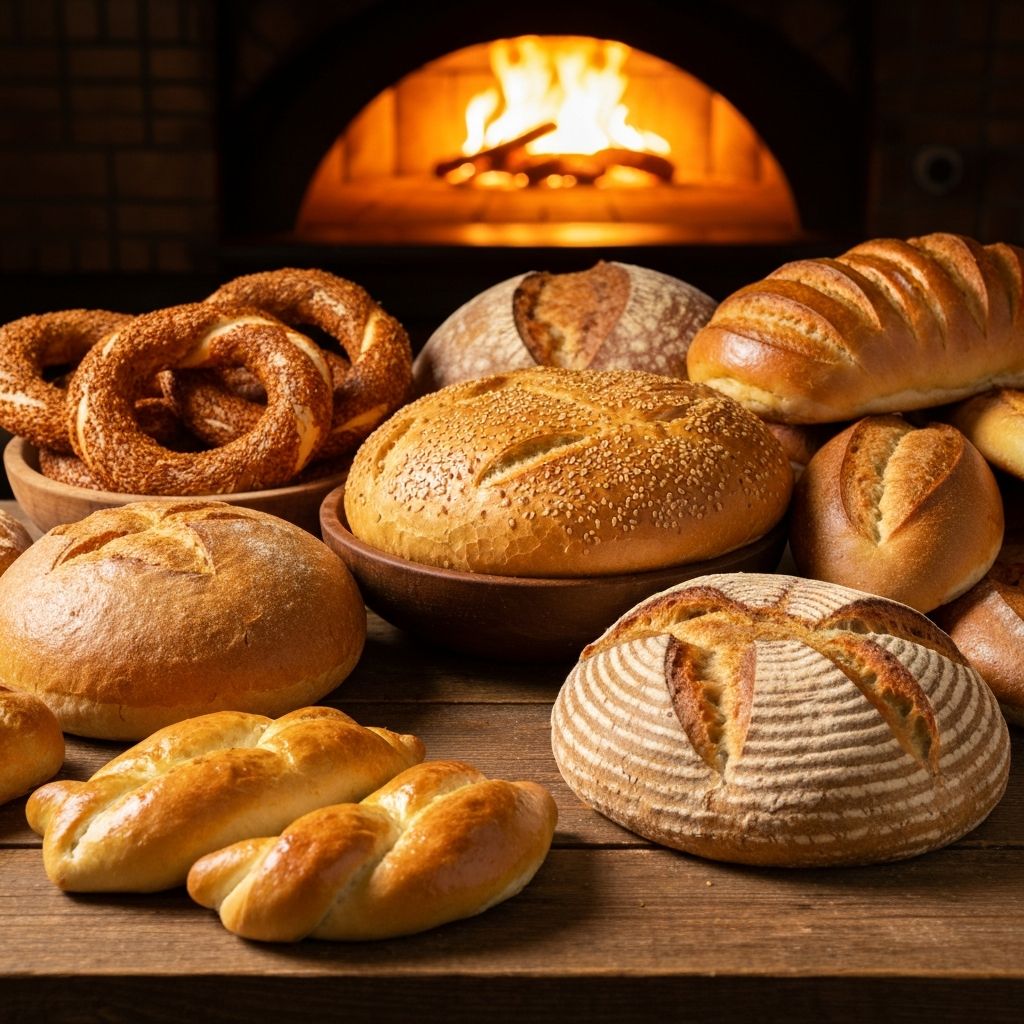
The Heart of Turkish Baking
Bread and pastries hold a sacred place in Turkish culture. From the morning simit sold by street vendors to the elaborate baklava served at celebrations, baked goods are woven into the daily rhythm of Turkish life. Across the country, bakeries (firin and pastane) range from centuries-old institutions to modern artisan shops, each contributing to a rich and varied culinary tradition.
This guide highlights the top 10 bakeries in Turkey, celebrating their craftsmanship, signature offerings, and the unique stories behind their loyal followings.
1. Karakoy Gulluoglu
Karakoy Gulluoglu is perhaps the most iconic baklava maker in Istanbul, with roots tracing back generations. Its pistachio baklava, made with layers of paper-thin yufka, clarified butter, and Gaziantep pistachios, is considered a benchmark of Turkish dessert craftsmanship. The bakery has become a must-visit destination for both locals and tourists.
2. Hafiz Mustafa 1864
Founded in 1864, Hafiz Mustafa is one of Istanbul's oldest and most beloved patisseries. Famous for baklava, Turkish delight, kunefe, and a wide variety of pastries, the brand combines tradition with elegant presentation. Its branches across the city are popular gathering spots for tea and dessert.
3. Komagene (for bread-paired specialties)
While best known for cig kofte, Komagene's bakery-style flatbreads and lavash accompany its dishes and have become a staple of casual Turkish dining. Its consistent quality and nationwide presence make it a noteworthy player in the broader bakery landscape.
4. Simit Sarayi
Simit Sarayi has elevated the humble simit into an international brand, offering sesame-crusted rings, borek, pogaca, and pastries. With locations across Turkey and abroad, Simit Sarayi has become synonymous with quick, affordable, and consistently fresh Turkish baked goods.
5. Baylan Pastanesi
Baylan is a historic patisserie based in Izmir and Istanbul, famous for its signature Kup Griye dessert and refined European-influenced pastries. With over a century of history, Baylan represents the cosmopolitan side of Turkish baking, blending French techniques with local flavors.
6. Inci Pastanesi
Inci Pastanesi is celebrated for its profiteroles, a French-inspired dessert that became a beloved Istanbul classic. Despite the bakery's relocation over the years, its rich chocolate-coated cream puffs continue to draw long lines and nostalgic visitors.
7. Saray Muhallebicisi
Saray is renowned for both baked goods and traditional Turkish milk-based desserts. Its kazandibi, sutlac, and pastries embody the comforting, homestyle side of Turkish baking. With numerous branches, Saray is a familiar name across Turkish cities.
8. Cigdem Pastanesi
Located near Sultanahmet, Cigdem is famous for its rich kazandibi, pastries, and savory borek. It is a favorite among locals seeking a classic Istanbul bakery experience with a wide variety of sweet and savory options under one roof.
9. Mado
Although Mado is internationally recognized for its Maras-style ice cream, its bakery menu featuring kunefe, kadayif, baklava, and katmer makes it one of the most comprehensive dessert houses in Turkey. Its modern, family-friendly cafes are popular nationwide.
10. Local Neighborhood Firins
Beyond famous brands, Turkey is home to thousands of neighborhood firins where bread is baked fresh daily in stone or wood-fired ovens. These small bakeries form the backbone of daily life, producing pide during Ramadan, simit at dawn, and savory pogaca for breakfast. They represent the soul of Turkish baking and deserve recognition alongside the most famous names.
The Rich Variety of Turkish Baked Goods
Turkish baking is exceptionally diverse. Breads include the round somun, sesame-crusted simit, hearty kepekli, and seasonal Ramazan pidesi. Savory baked items like borek, pogaca, and acma are breakfast staples. On the sweet side, baklava, kunefe, sutlac, kadayif, kazandibi, and revani showcase a wide range of textures and flavors. Each region adds its own twist, from Gaziantep's pistachio-laden desserts to Black Sea cornbread variations.
Quality Ingredients and Craftsmanship
Top bakeries in Turkey emphasize the importance of high-quality ingredients: stone-ground flour, fresh dairy, local nuts, natural sweeteners, and traditional techniques. Many use generational recipes passed down within families, while others innovate with sourdough fermentation, whole grains, and modern pastry methods.
Modern Trends
Turkish bakeries are evolving to meet contemporary tastes. Sourdough breads, gluten-free options, vegan pastries, and specialty coffee pairings are increasingly common in urban centers. Artisan bakeries inspired by European and Nordic traditions are opening across Istanbul, Ankara, and Izmir, often blending Turkish flavors with international techniques.
Bakeries as Cultural Spaces
Beyond food, bakeries serve as social spaces where neighbors meet, families gather, and travelers experience local life. The morning ritual of buying fresh bread, the afternoon coffee with borek, and the celebratory tray of baklava are all woven into the fabric of Turkish hospitality.
Conclusion
From iconic baklava houses to humble neighborhood firins, Turkey's bakery scene is one of the richest in the world. The bakeries highlighted here represent both the heritage and the innovation that define Turkish baking. Whether you are seeking a flaky borek for breakfast, a tray of baklava for a special occasion, or simply a warm loaf of bread, Turkey's bakeries offer experiences that engage all the senses and stay long in memory.
