
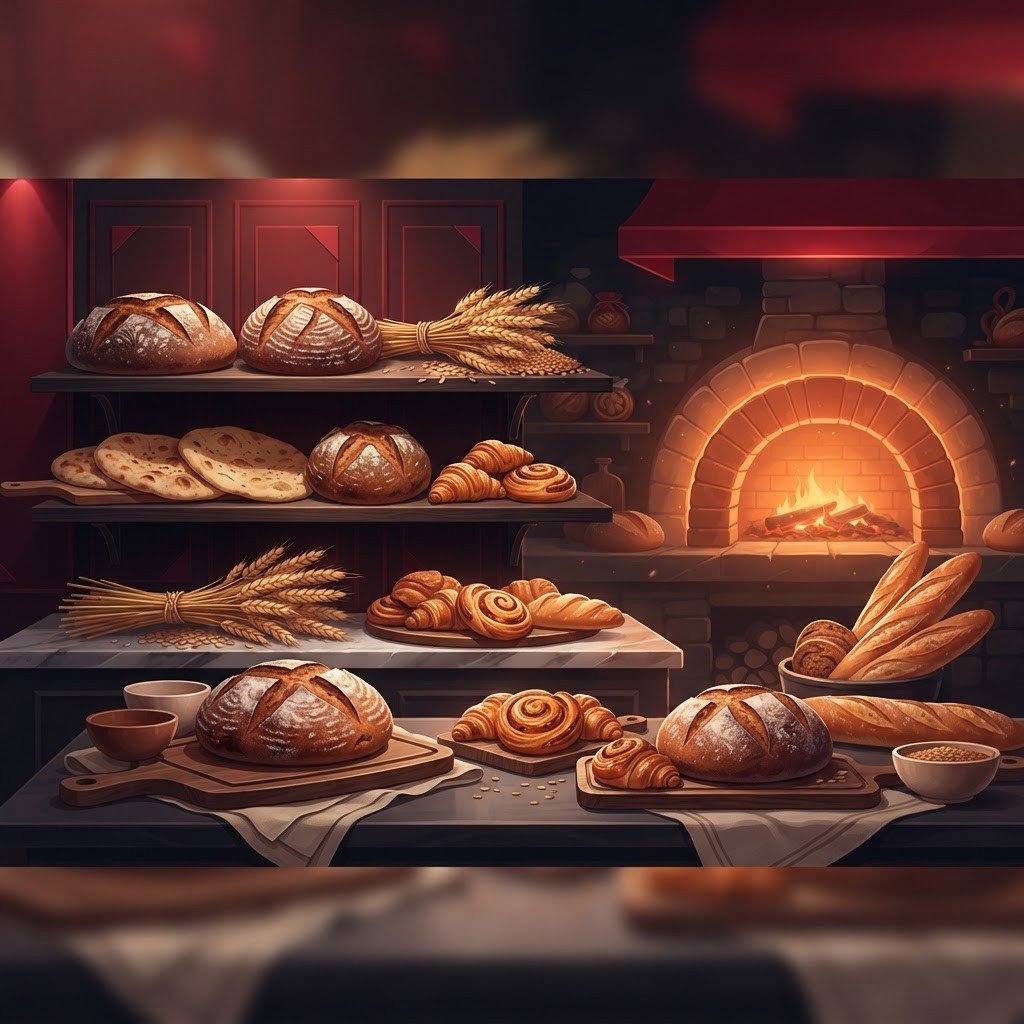
A Baking Heritage Rooted in Tradition
Bread and pastry hold a cherished place in Palestinian culture, woven into daily life, celebrations, and hospitality. The bakeries of the State of Palestine are custodians of a rich culinary heritage that stretches back generations. From the aroma of fresh taboon bread to the delicate sweetness of knafeh, these establishments do far more than sell food; they preserve traditions, bring communities together, and offer a taste of Palestinian identity.
Palestinian baking is characterized by its use of quality local ingredients, time-honored techniques, and a deep respect for flavor. Olive oil, za'atar, sesame, dates, and regional cheeses feature prominently, giving Palestinian baked goods their distinctive character. The best bakeries balance faithfulness to tradition with the creativity to delight modern palates.
The Art of Palestinian Bread
Bread is the foundation of Palestinian cuisine, and bakeries take great pride in producing it. Taboon bread, baked in a traditional clay oven, has a rustic texture perfect for scooping up dips and wrapping fillings. Khubz, the everyday flatbread, accompanies nearly every meal. Ka'ak, the sesame-covered bread rings often sold by street vendors, are a beloved snack enjoyed throughout the day.
Producing excellent bread requires skill and patience. Bakers must master the balance of flour, water, and time, and understand how heat transforms simple dough into something extraordinary. The finest bakeries treat bread-making as both a craft and an art, honoring techniques passed down through families.
The Top 10 Bakeries
1. Zalatimo Sweets is a legendary name renowned for its mutabbaq and traditional pastries, with a reputation built over many decades.
2. Abu Salha Bakery is celebrated for its fresh flatbreads and savory pastries, a favorite among locals for everyday bread.
3. Al-Aqsa Bakery and Sweets offers a wide array of breads and sweets, prized for consistency and quality.
4. Sanabel Bakery combines traditional recipes with modern presentation, known for its fresh za'atar and cheese manaqish.
5. Jacaman Bakery in Bethlehem is famous for its artisanal breads and warm, welcoming atmosphere.
6. Al-Quds Bakery serves classic Palestinian breads and pastries with a commitment to time-honored methods.
7. Barakat Sweets and Bakery delights customers with both bread and an impressive selection of Arabic sweets.
8. Al-Sultan Bakery is well regarded for its ka'ak and sesame breads, a staple for many families.
9. Nablus Sweet House honors the city's famous sweet-making tradition alongside its excellent baked goods.
10. Al-Reef Bakery completes the list with wholesome, freshly baked breads made from quality ingredients.
Sweet Traditions
No discussion of Palestinian bakeries would be complete without celebrating their sweets. Knafeh, a warm dessert of soft cheese topped with crispy shredded pastry and sweet syrup, is perhaps the most iconic, with the city of Nablus especially renowned for its version. Baklava, layered with nuts and honey, is a festive favorite. Ma'amoul, delicate cookies filled with dates or nuts, appear during holidays and special occasions.
These sweets are more than treats; they are expressions of hospitality and celebration. Bakeries that master them earn devoted followings and become part of the fabric of community life. The care and skill involved in creating these desserts reflect the deep cultural importance of sharing food.
Ingredients and Quality
The quality of a bakery's output depends heavily on its ingredients. The best Palestinian bakeries source local produce whenever possible, from freshly milled flour to regional cheeses and the celebrated olive oil of the area. Za'atar, a fragrant blend of wild thyme, sumac, and sesame, is a signature flavor found in many baked goods. Fresh dates and quality nuts elevate the sweets.
This commitment to quality ingredients supports local agriculture and ensures authentic flavors. Customers can taste the difference between mass-produced goods and those made with care from fine ingredients, and the leading bakeries have built their reputations on this distinction.
Community and Culture
Bakeries occupy a special social role in Palestinian communities. They are gathering places where neighbors meet, news is exchanged, and the rhythms of daily life play out. The morning trip to buy fresh bread is a cherished routine for many families. During Ramadan and festive seasons, bakeries buzz with activity as people prepare for celebrations.
This social dimension gives bakeries a significance beyond commerce. They help sustain community bonds and keep culinary traditions alive across generations. Supporting a local bakery is, in a sense, supporting the community itself.
Balancing Tradition and Innovation
While tradition is central, the most successful bakeries also embrace innovation. Some introduce new flavors, healthier options, or contemporary presentation to attract younger customers and adapt to changing tastes. Others improve efficiency and hygiene through modern equipment while preserving the authentic character of their products. This thoughtful balance allows them to honor the past while remaining relevant today.
Conclusion
The bakeries of the State of Palestine are treasures of culture and cuisine. Through their bread and sweets, they preserve heritage, nourish communities, and share the warmth of Palestinian hospitality. The ten establishments featured here represent the very best of this tradition, each contributing its own flavor to the rich tapestry of Palestinian baking. For anyone seeking an authentic taste of the region, these bakeries are an essential destination.
