
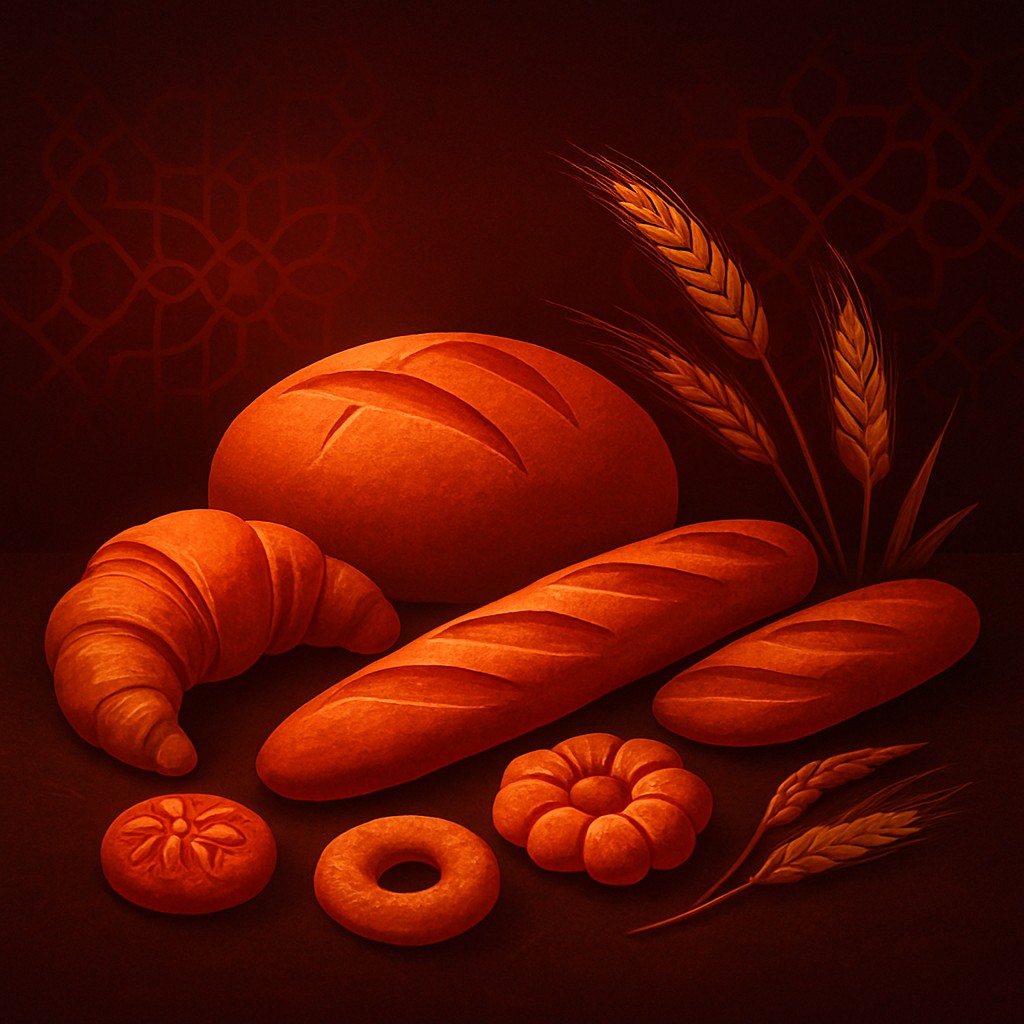
Morocco's Rich Baking Tradition
Morocco boasts a vibrant and diverse baking culture that reflects its rich history and cultural influences. From traditional bread baked in communal ovens to elegant French-inspired pastries, the country's bakeries offer an irresistible array of flavors and textures. Baking is woven into the fabric of daily life, with fresh bread accompanying nearly every meal.
The blend of Arab, Berber, Andalusian, and French influences has created a unique culinary landscape. Moroccan bakeries, known locally as boulangeries and patisseries, are beloved gathering places where the aromas of freshly baked goods draw in customers throughout the day.
Celebrated Bakeries Across the Kingdom
Morocco's major cities are home to many renowned bakeries that have earned loyal followings. In Casablanca, establishments like Bennis Habous are famous for their traditional Moroccan pastries and cookies, drawing visitors from near and far. Patisserie chains and artisan shops throughout the city offer everything from delicate French viennoiserie to classic local sweets.
In Marrakech, Rabat, and Fez, bakeries combine time-honored techniques with creativity. Establishments such as Amandine in Marrakech are celebrated for their elegant cakes and pastries, while countless neighborhood boulangeries serve the daily bread that is central to Moroccan life. Each region offers its own specialties and beloved local favorites.
Traditional Moroccan Breads and Pastries
Moroccan baking features an extraordinary variety of breads and pastries. Khobz, the round flatbread found on every table, is a staple baked fresh daily. Msemen, a flaky square pancake, and baghrir, the spongy thousand-hole pancake, are popular for breakfast and tea time. These traditional items showcase the artistry of Moroccan bakers.
Sweet pastries are equally celebrated. Kaab el ghzal, almond-filled crescents known as gazelle horns, and chebakia, sesame-coated honey cookies especially popular during Ramadan, are cherished treats. Briouats, sweet stuffed pastries, and an array of almond-based confections highlight the country's love of rich, fragrant flavors.
French Influence and Modern Patisserie
The French influence on Moroccan baking is unmistakable, particularly in urban patisseries. Croissants, pain au chocolat, éclairs, and elegant gateaux are widely available and expertly crafted. Many Moroccan bakers have trained in classic French techniques, blending them with local ingredients and flavors to create distinctive offerings.
Modern patisseries in cities like Casablanca and Marrakech push culinary boundaries, presenting beautifully decorated cakes and contemporary desserts. This fusion of French refinement and Moroccan tradition results in a sophisticated and ever-evolving baking scene that appeals to locals and tourists alike.
The Role of Bakeries in Moroccan Life
Bakeries hold a special place in Moroccan culture and daily routines. Fresh bread is a cornerstone of every meal, and many families purchase it daily from their local boulangerie. During celebrations, religious holidays, and family gatherings, bakeries play a central role in providing the sweets and pastries that mark these special occasions.
The communal aspect of baking remains strong, with some neighborhoods still using shared ovens where families bring their dough to be baked. This tradition reflects the importance of community and hospitality in Moroccan culture, values that are embodied in the warmth of its bakeries.
Experiencing Morocco's Bakeries
For visitors and residents alike, exploring Morocco's bakeries is a delightful culinary adventure. Each bakery offers a window into the country's rich traditions and flavors, from humble bread shops to elegant patisseries. The combination of quality ingredients, skilled craftsmanship, and time-honored recipes makes Moroccan baked goods truly memorable.
Whether savoring a flaky msemen with mint tea, indulging in almond-rich gazelle horns, or enjoying a perfectly baked croissant, Morocco's bakeries deliver an unforgettable taste of the country's culinary heritage. They remain cherished institutions that bring people together over the simple, universal pleasure of freshly baked bread and sweets.
