
A Nation with a Deep Baking Heritage
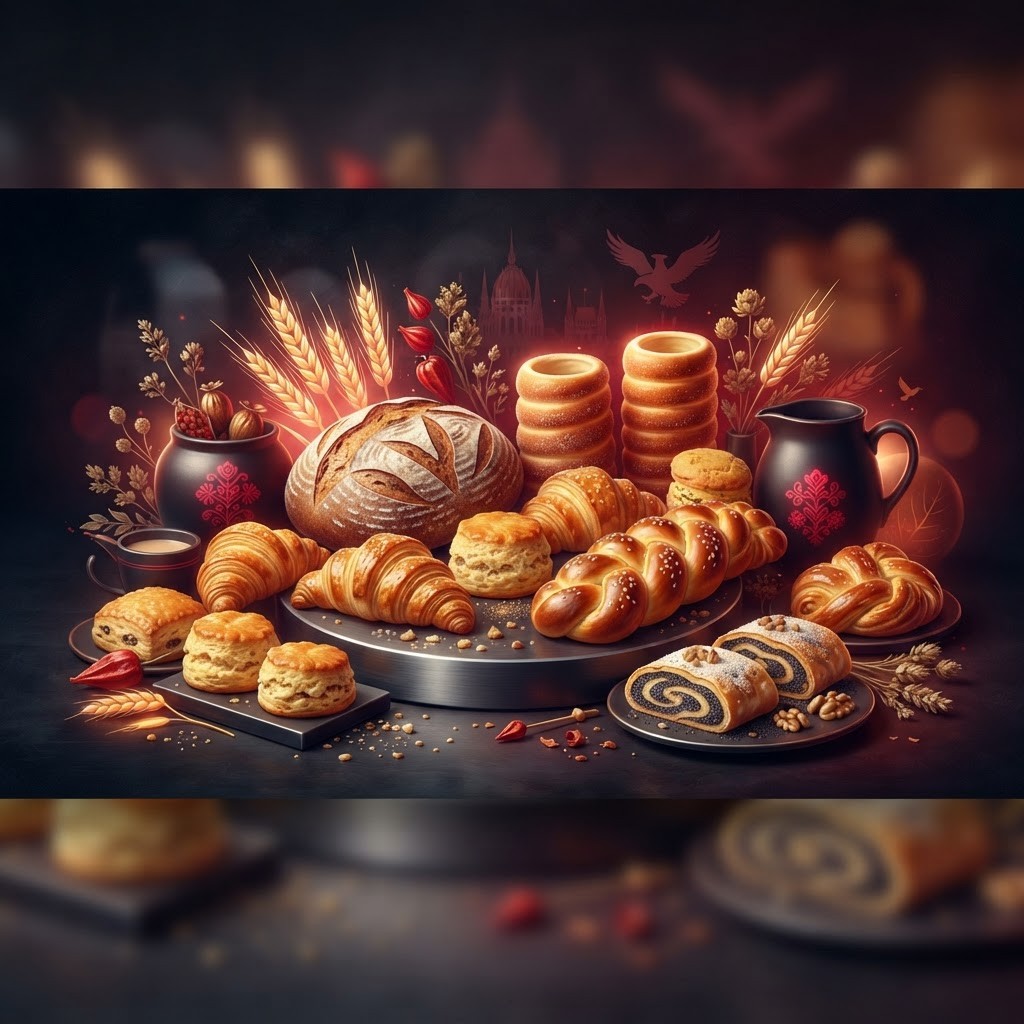
Baking holds a cherished place in Hungarian culture. From the aroma of freshly baked bread in the morning to the elaborate pastries served with afternoon coffee, baked goods are woven into the rhythm of daily life. Hungary's baking tradition draws on Central European influences, blending Austrian, Turkish, and Slavic elements into a distinctive culinary identity. Iconic treats such as kürtőskalács (chimney cake), pogácsa (savory scones), and rich layered cakes reflect centuries of craftsmanship.
Today, Hungary's bakery scene ranges from grand historic confectioneries in Budapest to modern artisan bakeries championing sourdough and organic ingredients. This diversity offers something for every palate, whether you crave traditional flavors or contemporary interpretations.
What Defines a Great Hungarian Bakery
The finest bakeries in Hungary share a commitment to quality ingredients, time-honored techniques, and consistency. Many use natural leavening and long fermentation to develop flavor and texture in their breads. Attention to detail is evident in delicate pastries and layered cakes that require skill and patience. Increasingly, bakeries also emphasize freshness, sourcing local flour and seasonal ingredients to create products that reflect Hungary's agricultural bounty.
The Top 10 Bakeries in Hungary
1. Gerbeaud is perhaps Hungary's most famous confectionery, located in the heart of Budapest. Established in the 19th century, it is renowned for its elegant cakes, pastries, and the historic ambiance of its grand café.
2. Ruszwurm, a historic pastry shop in Budapest's Castle District, has been serving exquisite cakes and its signature cream pastries for over two centuries, preserving a timeless tradition.
3. Auguszt Cukrászda is a beloved family-run confectionery with a long heritage, celebrated for its classic Hungarian cakes and warm, welcoming atmosphere.
4. Pék Műhely represents the modern artisan movement, focusing on naturally leavened sourdough breads and high-quality craftsmanship that has earned a devoted following.
5. Freddie's Bakery combines traditional recipes with contemporary style, offering a range of breads and pastries prized for their freshness and flavor.
6. Nándori Cukrászda is known for refined desserts and elegant cakes, blending French patisserie techniques with Hungarian flavors.
7. Levél Pékség has built a strong reputation for artisan bread made with careful fermentation and premium ingredients, appealing to those who value authentic craftsmanship.
8. Daubner Cukrászda is a popular Budapest confectionery famous for its seasonal pastries and beautifully crafted cakes that draw loyal crowds.
9. Kürtőskalács stands and specialists across Hungary keep the beloved chimney cake tradition alive, serving the sweet, spiral-shaped treat fresh and warm.
10. Artizán Bakery exemplifies the new wave of Hungarian baking, with a focus on sourdough, organic flour, and transparent, sustainable practices.
Signature Hungarian Baked Goods
No exploration of Hungarian bakeries would be complete without mentioning their signature creations. Kürtőskalács, the iconic chimney cake, is baked on a spit and coated in caramelized sugar, often flavored with cinnamon or nuts. Dobos torte, a layered sponge cake with chocolate buttercream and a caramel top, is a national treasure. Pogácsa, small savory scones, are a staple snack enjoyed throughout the country. Rétes, the Hungarian version of strudel, comes filled with everything from apple to sweet cheese and poppy seeds.
Trends in the Hungarian Bakery Scene
The Hungarian bakery industry is evolving alongside changing consumer tastes. The artisan and sourdough movement has gained significant momentum, with bakers emphasizing slow fermentation and natural ingredients. Health-conscious options such as whole grain, gluten-free, and reduced-sugar products are becoming more widely available. At the same time, there is a renewed appreciation for tradition, as customers seek authentic recipes and heritage flavors that connect them to Hungary's culinary past.
Sustainability is another growing focus. Many bakeries now prioritize local sourcing, minimal waste, and eco-friendly packaging, reflecting broader awareness of environmental responsibility. This balance between innovation and tradition keeps the Hungarian bakery scene vibrant and appealing.
Tips for Enjoying Hungarian Bakeries
Visitors and locals alike can make the most of Hungary's bakeries by arriving early for the freshest selection, pairing pastries with a strong Hungarian coffee, and exploring both historic confectioneries and modern artisan shops for a full experience. Sampling regional specialties and seasonal offerings reveals the depth of the country's baking culture.
The Cultural Significance of Baking
Beyond their culinary appeal, bakeries hold deep cultural meaning in Hungary. They serve as community gathering places where neighbors meet, families celebrate, and traditions are passed down through generations. Many recipes have been preserved for over a century, carrying stories of craftsmanship and regional identity. Festive occasions such as Christmas and Easter bring their own specialties, from poppy seed rolls to rich holiday cakes, reinforcing the connection between food and heritage. The revival of small, independent bakeries reflects a broader appreciation for authenticity and quality in an age of mass production. By supporting these establishments, Hungarians help sustain a living tradition that continues to enrich the nation's culinary landscape.
Conclusion
Hungary's bakeries offer a delicious journey through history, culture, and craftsmanship. From the grand cafés of Budapest to innovative artisan workshops, these establishments continue to delight with their exceptional breads, cakes, and pastries. Whether you seek time-honored classics or modern creations, Hungary's top bakeries provide a taste of the nation's enduring passion for baking.
