
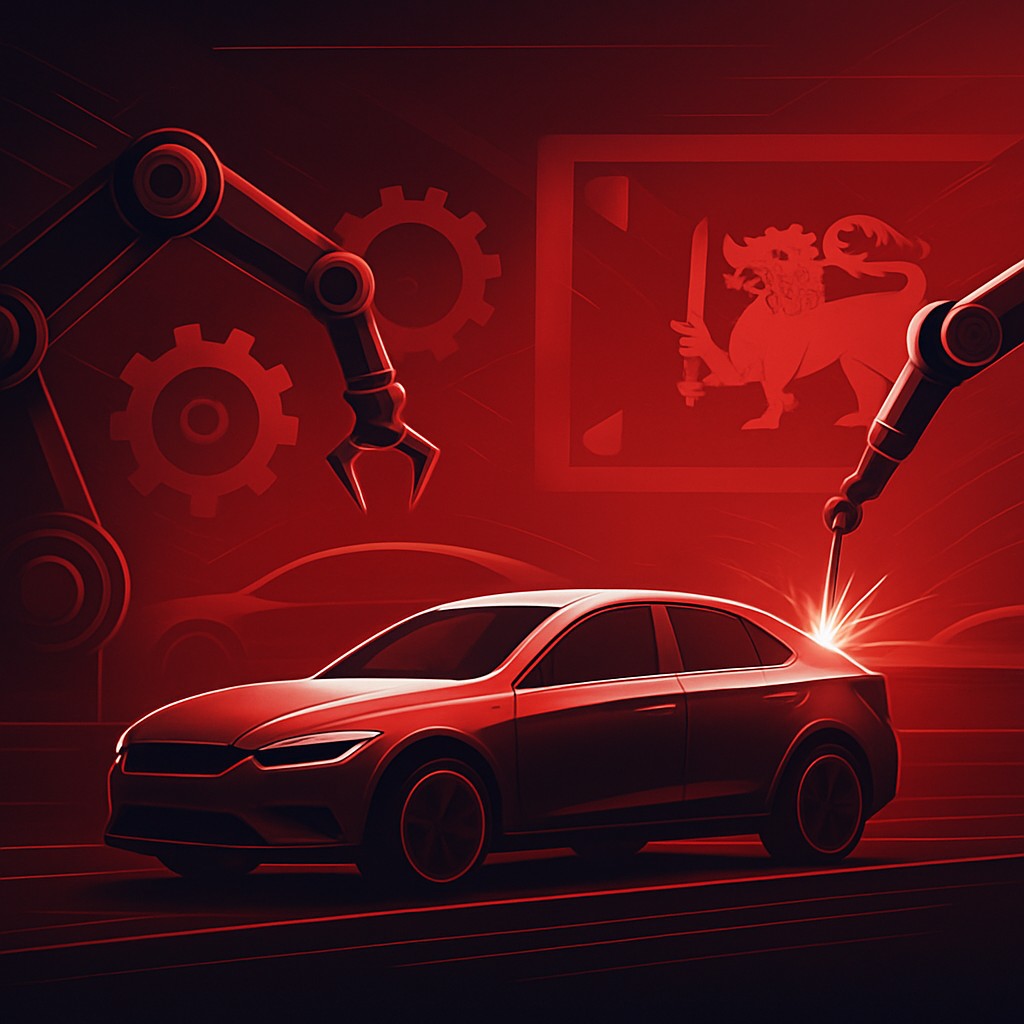
An Overview of Sri Lanka's Automotive Industry
While Sri Lanka is not yet a mass producer of complete passenger vehicles, it has carved out an impressive niche in automotive components and assembly. The country supplies critical parts to many of the world's largest vehicle manufacturers, including wiring harnesses, tyres, rubber components, and precision-engineered parts. This component-focused strength has made the island an integral, if often unseen, contributor to the global automotive ecosystem.
Government incentives for local assembly, combined with a skilled industrial workforce, have encouraged the growth of vehicle assembly plants and parts manufacturers. The result is a diverse industry that blends traditional rubber expertise with modern precision engineering.
Why Sri Lanka Matters in Automotive Manufacturing
Sri Lanka's automotive sector benefits from a long heritage in natural rubber production, which feeds directly into tyre and component manufacturing. This raw material advantage, paired with disciplined quality systems and competitive labour, allows local firms to compete internationally. Many manufacturers hold IATF 16949 certification, the global benchmark for automotive quality management.
Leading Automotive Manufacturers
1. LANKA HARNESS Company: A flagship of the local industry, LANKA HARNESS produces wiring harnesses and interconnect systems exported to vehicle makers worldwide, known for precision and reliability.
2. Loadstar (Pvt) Ltd: A global leader in solid and pneumatic off-the-road tyres, Loadstar combines Sri Lankan rubber expertise with advanced manufacturing to serve material handling and industrial vehicle markets.
3. Trelleborg Lanka: Specialising in engineered polymer and rubber automotive components, Trelleborg supplies anti-vibration parts and seals to international clients.
4. Micro Cars Limited: One of the pioneers of vehicle assembly in Sri Lanka, Micro Cars assembles passenger vehicles and commercial models for the domestic market.
5. Ideal Motors Assembly: A respected automotive group that has expanded into local assembly partnerships, bringing established global brands to Sri Lankan roads.
6. Associated Motorways (AMW): With deep roots in the vehicle industry, AMW supports assembly and component operations alongside its distribution business.
7. DIMO (Diesel & Motor Engineering): A diversified engineering group involved in vehicle assembly, bodybuilding, and automotive solutions for commercial and specialised vehicles.
8. United Motors Lanka: A long-standing automotive enterprise engaged in assembly, customisation, and after-sales engineering services.
9. Sri Lanka Tyre Corporation Successors: Local tyre manufacturing operations continue the country's strong tradition in rubber-based automotive products.
10. Senok Automobile: Engaged in commercial vehicle assembly and heavy equipment, Senok serves construction and transport sectors with locally assembled machinery.
Innovation and Modern Trends
The automotive manufacturing industry in Sri Lanka is evolving alongside global shifts toward electrification and sustainability. Several component makers are developing parts suited for electric and hybrid vehicles, while assembly operations are exploring electric vehicle and three-wheeler programmes to meet rising local demand for cleaner transport.
Automation, lean manufacturing, and digital quality control are becoming standard among leading firms. Manufacturers are also investing in research and development to move up the value chain, designing components rather than simply producing to specification.
Benefits for Global and Local Buyers
Companies sourcing automotive components from Sri Lanka enjoy access to high-quality rubber-based products, reliable delivery, and a workforce trained in international standards. For domestic consumers, local assembly translates into more affordable vehicles and improved access to after-sales support and spare parts.
Challenges and Opportunities
Like any emerging manufacturing economy, Sri Lanka faces challenges around import costs, foreign exchange fluctuations, and infrastructure. However, these are balanced by strong opportunities: growing demand for electric mobility, increasing global interest in supply chain diversification, and the country's proven track record in precision component manufacturing.
Conclusion
Sri Lanka's automotive manufacturers may not yet build entire cars from scratch at scale, but their contribution to the global automotive industry is substantial and growing. With a heritage in rubber, a commitment to quality, and an eye on electrification, the companies featured here are positioning the island as a dependable partner in the future of mobility.
