
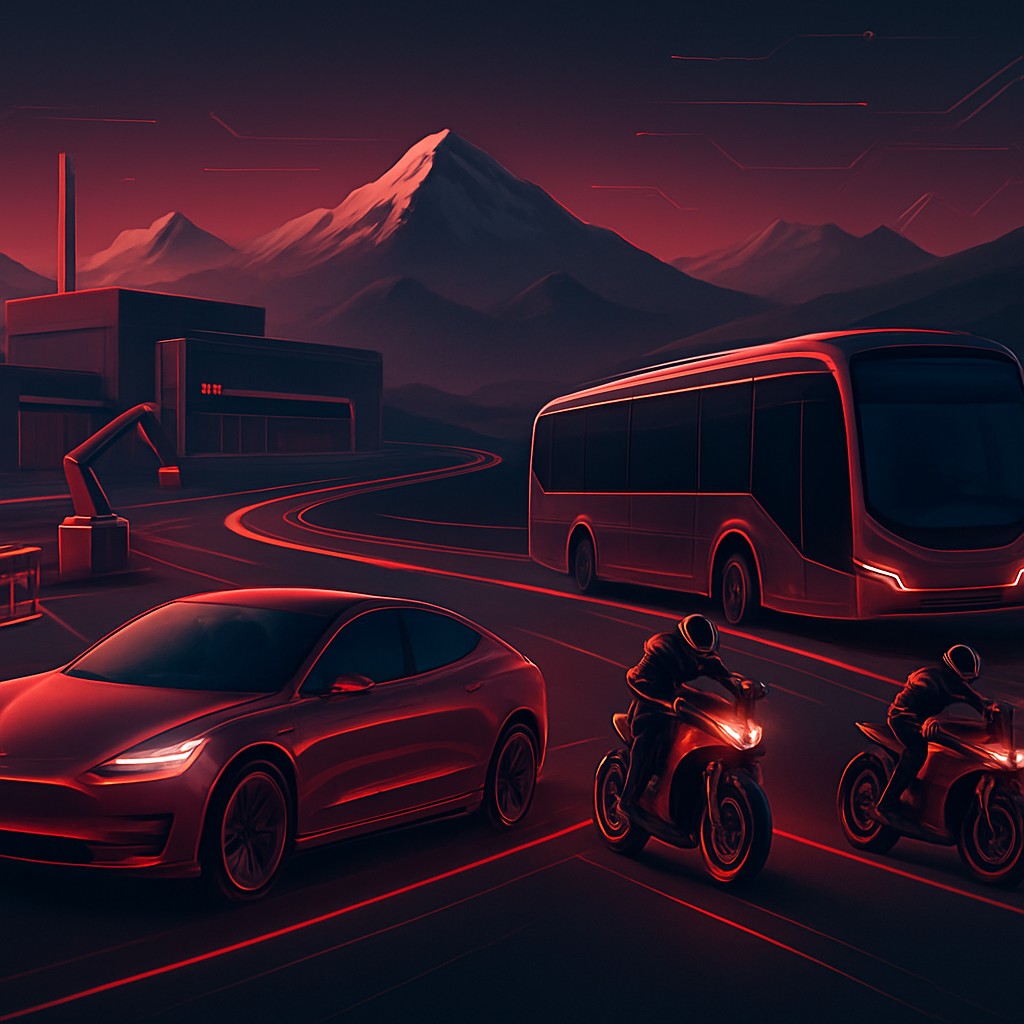
The Evolving Automotive Sector in Nepal
Nepal's automotive industry has historically centered on the import and distribution of vehicles, but a meaningful transformation is underway. Local assembly operations, electric vehicle manufacturing, and component production are gaining ground as the country seeks to reduce import costs, create jobs, and embrace cleaner mobility. With rising vehicle demand and growing environmental awareness, the automotive sector is one of Nepal's most dynamic industrial frontiers.
From assembling two-wheelers and commercial vehicles to producing electric scooters and buses, Nepali companies are increasingly participating in the manufacturing side of the automotive value chain. This evolution reflects both economic ambition and a commitment to sustainable transport.
Why Local Automotive Manufacturing Matters
Building vehicles and components domestically offers numerous advantages. It generates skilled employment, reduces reliance on fully imported vehicles, and keeps more value within the national economy. Local assembly also allows products to be tailored to Nepali road conditions and consumer preferences. Perhaps most importantly, the rise of electric vehicle manufacturing aligns transportation with Nepal's abundant clean hydropower, offering a path toward cleaner air in cities and reduced fuel imports.
As urban congestion and pollution concerns grow, electric mobility has become a national priority, and the manufacturers embracing it are positioned at the forefront of change.
Leading Automotive Manufacturers in Nepal
The following companies are recognized for their roles in assembly, electric vehicle production, and automotive components.
1. Hulas Motors: A pioneer in Nepali automotive assembly, Hulas Motors has produced commercial vehicles and three-wheelers, demonstrating that local manufacturing is viable.
2. Yatri Motorcycles: A homegrown electric vehicle innovator, Yatri designs and builds premium electric motorcycles, showcasing Nepali engineering talent and design ambition.
3. Terra Motors Nepal: Focused on electric two-wheelers and three-wheelers, Terra Motors supports the shift toward clean urban transport with affordable EV options.
4. Sajha Yatayat: Known for operating and adopting electric buses, Sajha has played a leading role in introducing electric public transport to Nepali cities.
5. NIC Asia EV Initiatives: Through financing and promotion of electric mobility, this group supports the broader EV ecosystem and encourages local adoption and assembly.
6. Ekikrit Motors: An emerging assembler focused on electric scooters and utility vehicles, Eki krit targets affordable clean mobility for everyday commuters.
7. MAW Vriddhi Electric: Part of an established automotive distribution group, this venture explores local assembly and electric vehicle solutions for the Nepali market.
8. Nebula Automotive: A component and accessory manufacturer, Nebula supplies parts that support both assembly operations and the aftermarket.
9. Himalayan EV: A developer of electric mobility solutions designed for hilly terrain, Himalayan EV focuses on durability and performance in challenging conditions.
10. Gorkha Auto Works: Specializing in vehicle bodybuilding and customization, Gorkha Auto Works supports commercial vehicle assembly and fabrication needs.
Industry Trends
The automotive sector in Nepal is being reshaped by several powerful trends. Electric vehicle adoption is accelerating, driven by supportive policies, lower running costs, and abundant clean electricity. Local assembly is expanding as companies seek to reduce costs and build domestic capability. There is also growing interest in charging infrastructure and battery solutions that support the EV transition.
Design innovation, particularly in homegrown electric motorcycles, is putting Nepali engineering on the map and inspiring confidence in local manufacturing potential.
Challenges and Opportunities
The sector faces challenges including dependence on imported components, limited charging infrastructure, and the high cost of establishing manufacturing facilities. Competition from established international brands and the need for skilled labor also present obstacles. Nevertheless, the opportunities are substantial: strong demand for affordable mobility, alignment between EVs and clean hydropower, and government incentives for electric transport all favor growth.
Investment in local component production, charging networks, and technical training can help Nepal deepen its automotive manufacturing capabilities and lead the regional shift toward clean mobility.
Conclusion
Nepal's automotive manufacturing sector is at an exciting turning point. The companies featured here are driving the transition from import dependence toward local assembly and electric mobility. As clean transport gains momentum and engineering capabilities grow, this industry is poised to deliver cleaner, more affordable vehicles while creating jobs and building a more self-reliant economy. The road ahead is electric, and Nepal's manufacturers are ready to lead the way.
