
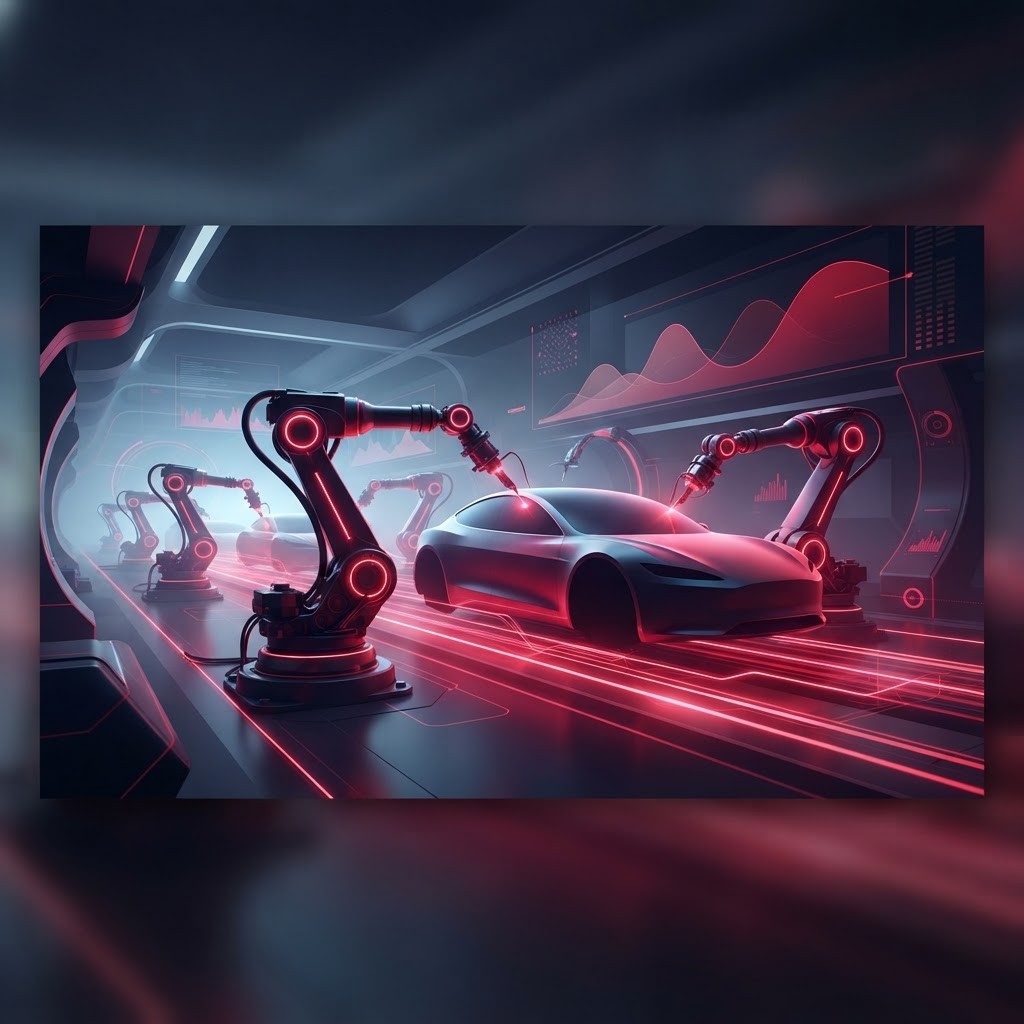
The Heart of Hungarian Industry
Automotive manufacturing stands as one of the most significant pillars of the Hungarian economy, accounting for a substantial share of industrial output and exports. The country is home to major production facilities operated by some of the world's most recognized carmakers, supported by a dense network of component suppliers and engineering firms. This concentration of expertise and capacity has made Hungary a key player in the European automotive landscape.
The success of the sector rests on several foundations: a highly skilled workforce, strong technical education, competitive operating conditions, and a central location with excellent access to European markets. As the industry transitions toward electric mobility, Hungary has attracted major investments in electric-vehicle production and battery manufacturing, reinforcing its strategic importance.
What Distinguishes Top Automotive Manufacturers
Leading automotive manufacturers combine precision engineering, efficient production, and uncompromising quality. They operate advanced assembly lines, employ rigorous quality-control systems, and manage complex global supply chains. Innovation, sustainability, and the ability to adapt to electrification and new technologies increasingly define the industry's most successful players.
The Top 10 Automotive Manufacturers
Audi Hungaria operates one of the largest engine manufacturing facilities in the world in Győr, producing engines and vehicles that combine German engineering with Hungarian craftsmanship. It is a flagship of the country's automotive industry.
Mercedes-Benz Manufacturing Hungary runs a major production plant in Kecskemét, assembling premium vehicles for global markets and continuing to expand its role in electric-vehicle production.
BMW Group Hungary has established a significant manufacturing presence in Debrecen, with a modern plant designed for electric mobility, marking a new chapter in the country's automotive story.
Suzuki Hungary operates a long-established plant in Esztergom, producing popular passenger vehicles and serving as one of the country's pioneering automotive investors.
Stellantis Hungary contributes to the sector through its engine and component production, supporting a broad portfolio of international vehicle brands.
Bosch Hungary is a leading supplier of automotive components and systems, developing technologies that enhance vehicle safety, efficiency, and connectivity.
Continental Hungary produces advanced automotive electronics, tires, and systems, playing a vital role in the supply chain for modern vehicles.
Knorr-Bremse Hungary specializes in braking systems and components for commercial vehicles, combining safety engineering with reliable manufacturing.
ZF Hungária supplies driveline and chassis technology, supporting the industry's shift toward efficiency and electrification.
Denso Hungary rounds out the list, manufacturing advanced automotive components and thermal systems that contribute to the performance of vehicles worldwide.
The Shift to Electric Mobility
The most profound transformation in Hungary's automotive industry is the transition to electric vehicles. Major carmakers are investing heavily in electric-vehicle production, and battery manufacturers have chosen Hungary as a strategic base. This positions the country at the center of Europe's evolving mobility ecosystem, creating opportunities for suppliers, engineers, and skilled workers alike.
The convergence of automotive and battery manufacturing has strengthened the entire value chain. Component makers are adapting to produce electric drivetrains, power electronics, and lightweight materials, ensuring that Hungary remains competitive as the industry electrifies. This forward-looking investment secures the sector's long-term relevance.
Innovation and Advanced Manufacturing
Hungarian automotive plants are among the most technologically advanced in Europe, employing robotics, automation, and smart-factory principles. Data-driven production, predictive maintenance, and precision assembly deliver the quality and efficiency demanded by global brands. Research and development activity is also expanding, with engineering centers contributing to vehicle design and technology development.
Economic Impact
The automotive sector's contribution to Hungary extends far beyond the factory floor. It supports hundreds of thousands of jobs, drives exports, and stimulates investment in infrastructure, education, and supplier networks. The industry's health is closely tied to the broader prosperity of the nation, underscoring its strategic importance.
Choosing an Automotive Partner
For businesses seeking manufacturing or supply partnerships, key considerations include production capabilities, quality certifications, engineering support, and adaptability to electrification. The leading firms profiled here offer the scale, expertise, and reliability required to succeed in a demanding global industry.
Conclusion
Automotive manufacturing is central to Hungary's industrial identity and economic strength. From world-renowned carmakers to specialized component suppliers, the ten companies highlighted here represent the excellence and ambition of the sector. As the industry embraces electric mobility and advanced manufacturing, Hungary's automotive manufacturers are well positioned to remain at the forefront of European and global production.
