
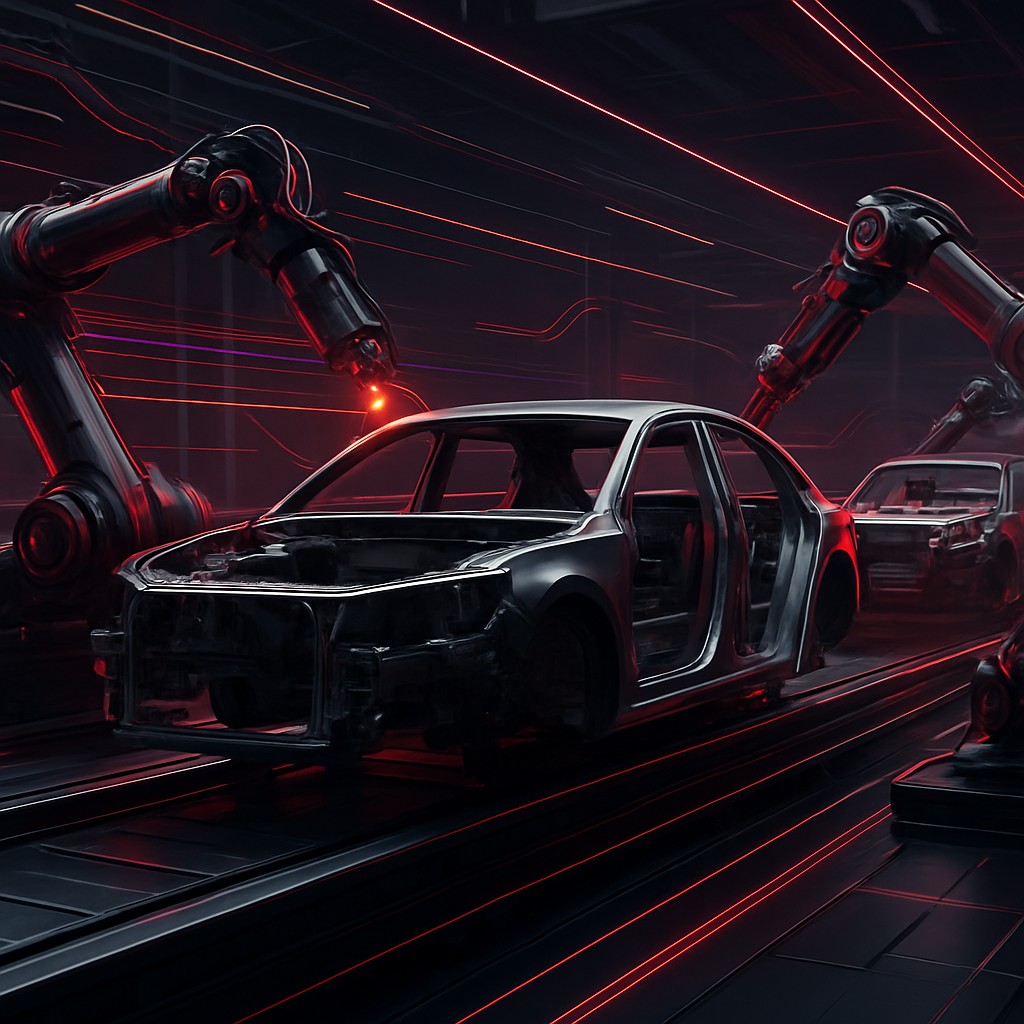
Ecuador's Automotive Industry Overview
The automotive sector is an important part of Ecuador's manufacturing economy, encompassing vehicle assembly, parts and components production, bus and truck body building, and a broad supplier network. While the industry has faced shifting trade policies and competition from imported vehicles, it remains a significant employer and contributor to industrial value, particularly around the manufacturing hub of Quito and the surrounding region.
Ecuadorian automotive manufacturing has historically focused on assembling passenger cars and commercial vehicles, complemented by a robust auto parts industry and specialized body builders that produce buses for public transportation.
Structure of the Automotive Sector
The industry can be divided into several segments. Vehicle assembly plants put together cars, pickups, and commercial vehicles, often in partnership with international brands. Auto parts manufacturers produce components such as exhaust systems, glass, batteries, seats, and plastic parts. Body builders specialize in constructing bus and truck bodies on imported chassis, serving Ecuador's extensive public transit needs.
This combination of assembly, parts, and bodywork creates a value chain that supports thousands of jobs and a network of suppliers and service providers across the country.
Leading Automotive Manufacturers
Ómnibus BB Transportes, the assembler associated with Chevrolet vehicles in Ecuador, has long been one of the most significant players, producing a range of passenger and commercial vehicles. Maresa has been an important assembler as well, historically producing pickups and commercial vehicles under various international brands.
Aymesa is another established assembly operation with a long history in Ecuadorian vehicle production. In the bus body building segment, companies such as Carrocerías Patricio Cepeda, Miral, and Imetam are recognized for manufacturing durable, well-engineered bus bodies that serve urban and intercity transport across the country.
On the parts side, manufacturers like Tecnova, Indima, and Ecuatoriana de Matricería produce components ranging from metal stampings to plastic and rubber parts. Battery manufacturers such as Tecnova and glass producers supply essential inputs to both assemblers and the aftermarket. Together, these companies form a comprehensive automotive manufacturing ecosystem.
Industry Trends and Developments
The Ecuadorian automotive industry is adapting to global and regional trends. Interest in electric and hybrid vehicles is growing, prompting manufacturers and importers to explore cleaner mobility options and supporting infrastructure. Quality improvements and adoption of international manufacturing standards help local producers remain competitive against imports.
The bus body building segment continues to innovate with safer, more comfortable, and more fuel-efficient designs to serve the country's heavy reliance on public transportation. Parts manufacturers are investing in modern equipment and quality systems to supply both local assembly and export markets.
Economic and Social Impact
The automotive sector generates substantial employment, from skilled assembly line workers to engineers and technicians. It supports a wide network of suppliers, dealers, and service businesses, contributing to industrial development and technical skill formation. Locally produced vehicles and bus bodies serve essential transportation needs, particularly in the public transit systems that millions of Ecuadorians rely on daily.
By maintaining domestic manufacturing capability, the industry reduces import dependence and keeps value-added activity within the national economy.
Choosing an Automotive Partner
Buyers and businesses seeking automotive manufacturing partners should assess production quality, engineering capability, compliance with safety standards, and reliability of delivery. For bus and commercial vehicle needs, evaluating durability, design, and after-sales support is essential. Manufacturers with strong reputations and proven track records offer the most dependable partnerships.
The Road Ahead
Ecuador's automotive industry faces both challenges and opportunities as the global sector transitions toward electrification and new mobility models. Manufacturers that invest in quality, embrace cleaner technologies, and strengthen their supplier networks are best positioned to thrive. With its established assembly base, skilled workforce, and strong body building tradition, Ecuador's automotive sector continues to play a vital role in the nation's industrial landscape.
